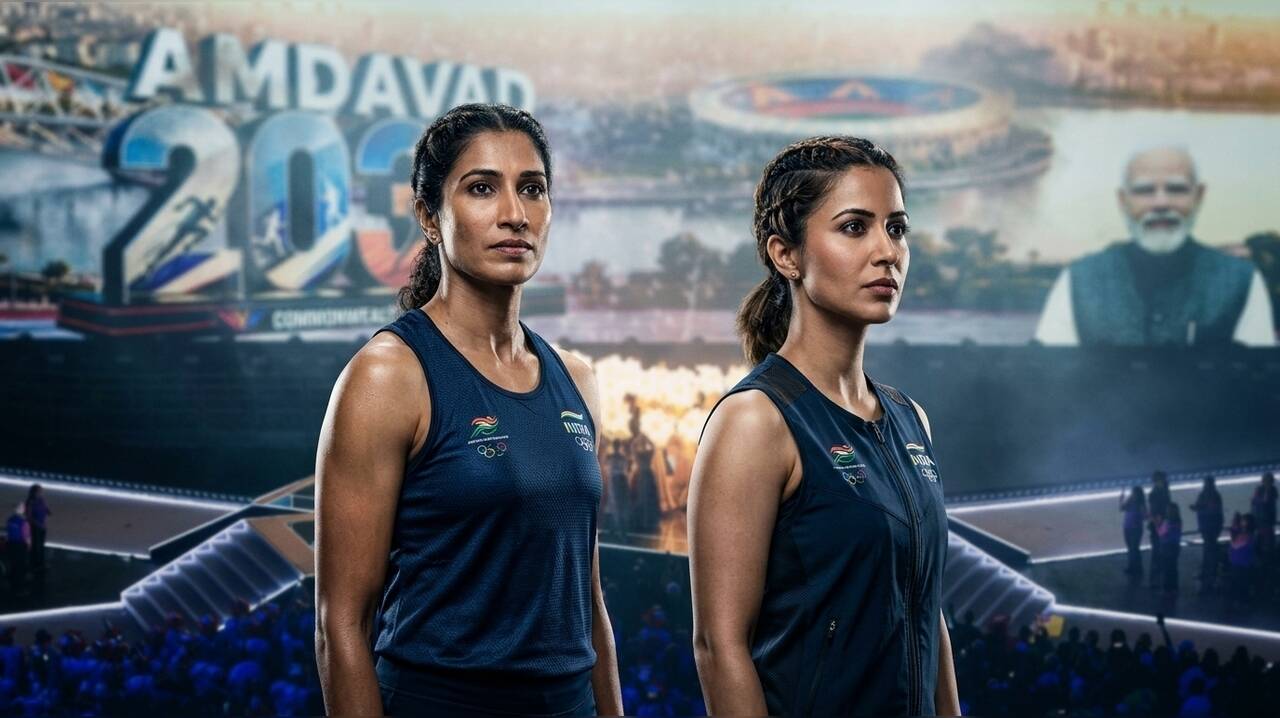
The recent Commonwealth Games (CWG) held in Glasgow marked a significant departure from the traditional format of this multi-sport event. Originally set to take place in Victoria, the Games were scaled down, featuring fewer events and a reduced number of participants. Despite these limitations, India achieved a commendable fourth place in the overall medal tally, a notable feat considering the absence of several sports that typically contribute to the country's medal count. This has sparked ongoing discussions about the future of the Commonwealth Games, with some questioning whether the event should continue at all.
Significance of the Commonwealth Games
In a recent dialogue moderated by Uthra Ganesan, renowned athletes
Conversely, Heena Sidhu, a celebrated shooter, expressed a different perspective, ranking the CWG lower in terms of competitive difficulty compared to other major events. She highlighted that the Asian Games present a more formidable challenge for shooters, while the CWG offers a unique opportunity for athletes to experiment and refine their skills in a less pressurized environment. However, the absence of shooting from recent Games has raised concerns about the sport's visibility and future.
Challenges and Future Prospects
Both athletes acknowledged the growing challenges associated with hosting multi-sport events. Anju Bobby George pointed out that financial constraints are leading countries to limit the number of athletes participating, which complicates the selection process for federations. Heena Sidhu added that the high costs of hosting such events often deter nations from bidding, as evidenced by the financial struggles faced by countries like Greece and Brazil after hosting the Olympics.
Looking ahead, Anju Bobby George expressed optimism about India's potential to host the 2030 Commonwealth Games, viewing it as a crucial step towards a future Olympic bid in 2036. She believes that with the right infrastructure and experience, India can significantly enhance its sporting ecosystem. Heena Sidhu echoed this sentiment, emphasizing the need for a robust framework to support multi-disciplinary events in India, which could ultimately lead to a stronger sporting culture and better engagement with fans.