

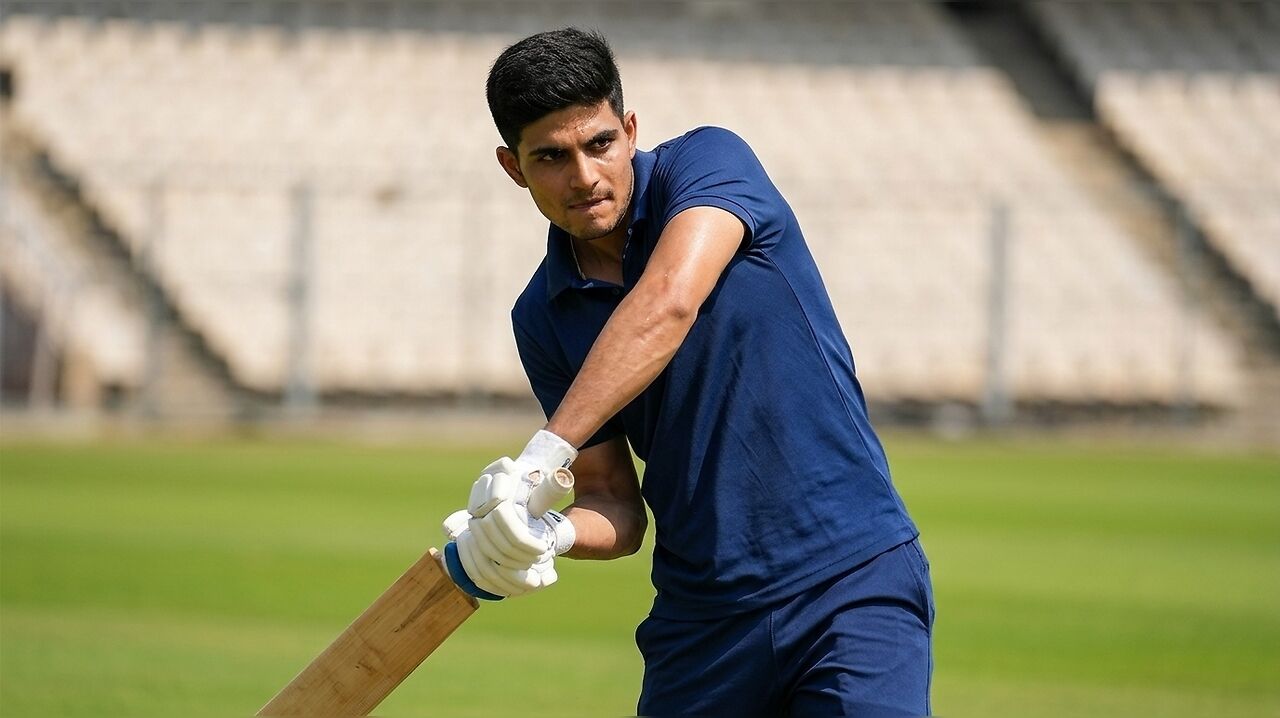
India captain
While the top of the order remains fixed, Gill indicated that the team will adopt a more fluid approach for the No. 5 and No. 6 slots. This tactical flexibility is designed to allow the team to respond dynamically to match situations, with all-rounder Axar Patel and experienced batter
Tactical flexibility in the middle order
Explaining the rationale behind the decision, Gill noted that the current top four consists entirely of right-handed batters. Consequently, the team is looking to introduce variety when necessary. The captain emphasized that the inclusion of a left-handed option like Axar Patel could be a strategic move to disrupt the opposition's bowling plans, while KL Rahul’s role will also be determined by the flow of the innings.
This floating strategy for the middle order suggests a focus on adaptability as India looks to navigate the conditions in New Zealand. By keeping the batting order flexible beyond the established top four, the team management aims to maintain an advantage throughout the middle overs of the contest.
Gill addresses fitness concerns
In addition to discussing team tactics, the captain addressed questions regarding his own physical well-being. Gill had previously faced challenges with a cervical disc bulge and a neck spasm, an injury that sidelined him for nearly a month in late 2025. The issue first surfaced during the Kolkata Test against South Africa, leading to a brief hospital stay for observation.
However, the skipper moved to reassure fans and selectors alike, confirming that he is currently pain-free. He reported that he has successfully completed intensive training sessions, including batting for nearly 90 minutes and participating in full fielding drills, without any recurrence of discomfort. With his fitness confirmed, Gill is set to lead the side when the series gets underway on November 4 at Eden Park, followed by matches in Wellington, Hamilton, and a double-header in Mount Maunganui.
