

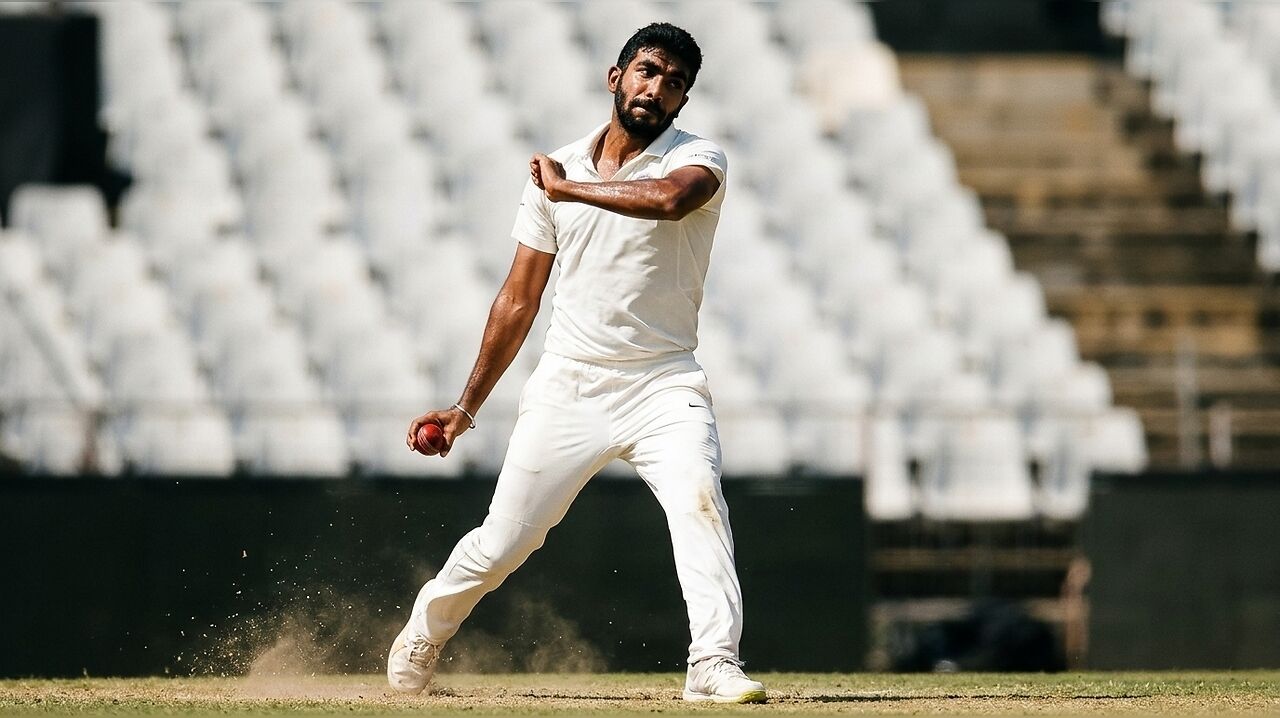
Former New Zealand fast-bowling great
Bond, speaking on the complexities of modern cricket, argued that the perception of players hand-picking their assignments is unfair. He highlighted that elite bowlers possess a deep understanding of their physical limits and work closely with medical staff and coaches to ensure they remain fit for high-priority series. According to Bond, labelling Bumrah’s strategic rest as a choice of convenience is harsh, particularly given the physical demands placed on fast bowlers in the current era.
The Evolution of Player Preparation
Reflecting on his own career, Bond noted that the landscape of international cricket has shifted significantly. While players in his era typically featured across two or three formats, the sheer volume of matches today has necessitated a more cautious approach to squad rotation. Both India and New Zealand have recently adopted the practice of splitting squads to manage fatigue, a move Bond views as a pragmatic response to the demands of the modern Future Tours Programme.
Bond remains a strong advocate for match time over traditional net sessions, maintaining that the intensity of competitive play is irreplaceable. He explained that spending hours on the field, maintaining high-intensity movement, and delivering overs in a match environment provides the best possible preparation for the rigours of Test cricket. He noted that for a bowler, the endurance built during a One-Day International often makes the shorter, high-intensity spells of a Test match feel more manageable.
Depth and Future Planning
Looking ahead to major tournaments, including the upcoming ODI World Cup, Bond stressed that workload management is a universal priority for all top-tier cricket nations. He pointed to the efforts of teams like Australia and New Zealand, who are actively protecting their pace assets to ensure they are available for critical series. The challenge for support staff, he noted, is balancing the relentless schedule with the need to keep key players fresh.
Assessing the current state of India’s bowling unit, Bond expressed admiration for the depth and variety within the ranks. He specifically praised Mohammed Siraj for his consistent energy and body language across formats. While noting that India could benefit from a left-arm
