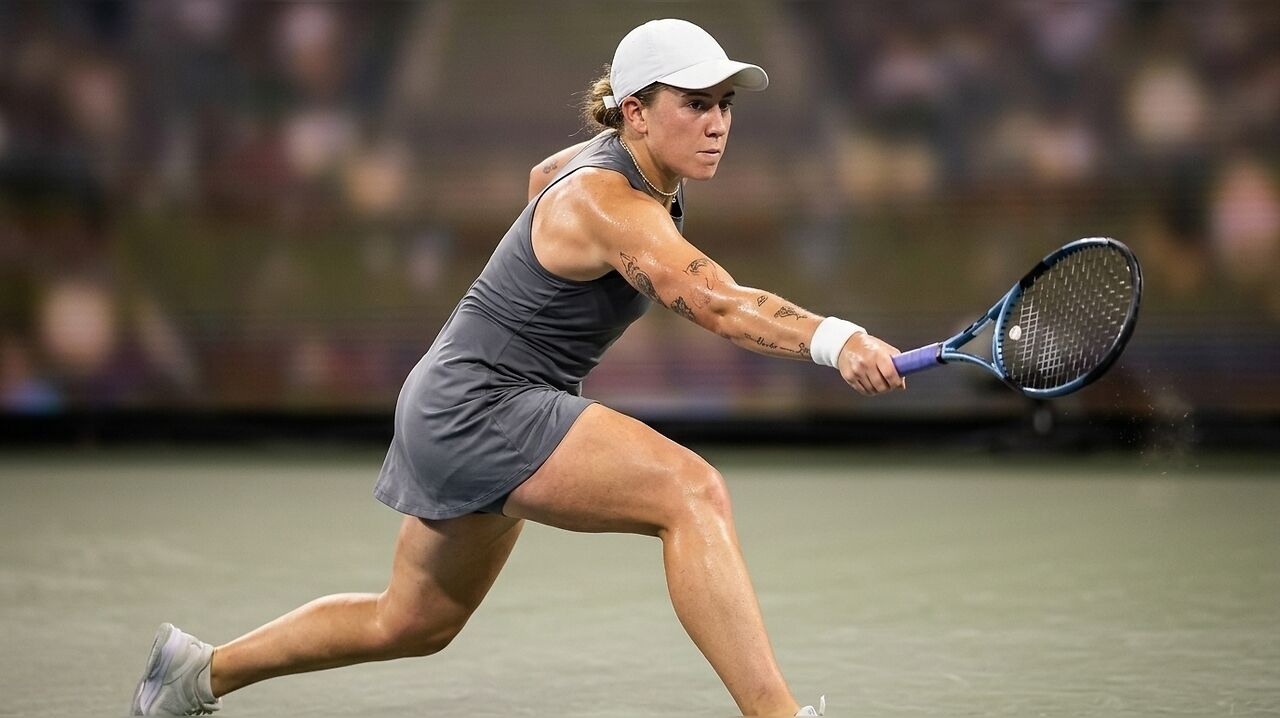
The victory was hard-fought, with Kartal overcoming deficits in both sets and successfully defending against six set points throughout the match. She ultimately triumphed 7-6 (9), 7-6 (5) to book her spot in the championship match. This result makes Kartal the lowest-ranked player to reach a
A Career-Defining Performance and Ranking Milestone
Reflecting on the intensity of the contest, Kartal acknowledged the challenge posed by her opponent. She noted that while Ostapenko can be unplayable at times, the key was to remain composed and ride the momentum of the match. Kartal described the victory as one of the finest mental performances of her career, having successfully navigated a marathon opening tie-break and a high-pressure second set.
The win carries significant implications for the upcoming rankings, as Kartal is now guaranteed to break into the world's top 50. This leap will see her overtake Katie Boulter to become the new British No. 1. Her path to the final has been defined by a series of high-profile victories, including wins against former Olympic champion Belinda Bencic, Wimbledon finalist Jasmine Paolini, and world No. 6 Elina Svitolina.
Overcoming Adversity to Reach New Heights
Kartal’s current form marks a swift return to the top tier of the sport. After making a breakthrough by reaching the fourth round of Wimbledon last year, her momentum was halted by a back injury that sidelined her for six months. Although she showed promise by winning two matches at the China Open earlier this month, her current success in Wuhan represents a significant escalation in her recovery.
By clawing back from double-break deficits and saving critical set points, Kartal has demonstrated the resilience required to compete at the highest level. Her ability to force and win two consecutive tie-breaks against a Grand Slam champion underscores the progress she has made since her return to professional tennis.