Following a successful campaign at the Aichi-Nagoya Asian Games, Indian women’s kabaddi coach
The path to victory was paved with a series of high-intensity training camps held at SAI Gandhinagar and the JSW facility in Ballari. According to Dadwe, the coaching staff, which included Mamata Poojary and V. Tejeswini Bai, focused heavily on modernizing the team’s preparation. By integrating professional support staff—including fitness trainers, masseurs, and advanced recovery methods like ice baths—the squad managed to navigate the tournament with minimal injury concerns.
Tactical Discipline and Overcoming Adversity
A cornerstone of the team’s success was a strict, federation-approved policy that prohibited the use of mobile phones during training camps. Dadwe noted that this measure was essential for ensuring the players remained rested and fully engaged in tactical analysis and video sessions. The team even utilized footage of their Iranian opponents, who had been training in India, to refine their strategy ahead of the final showdown.
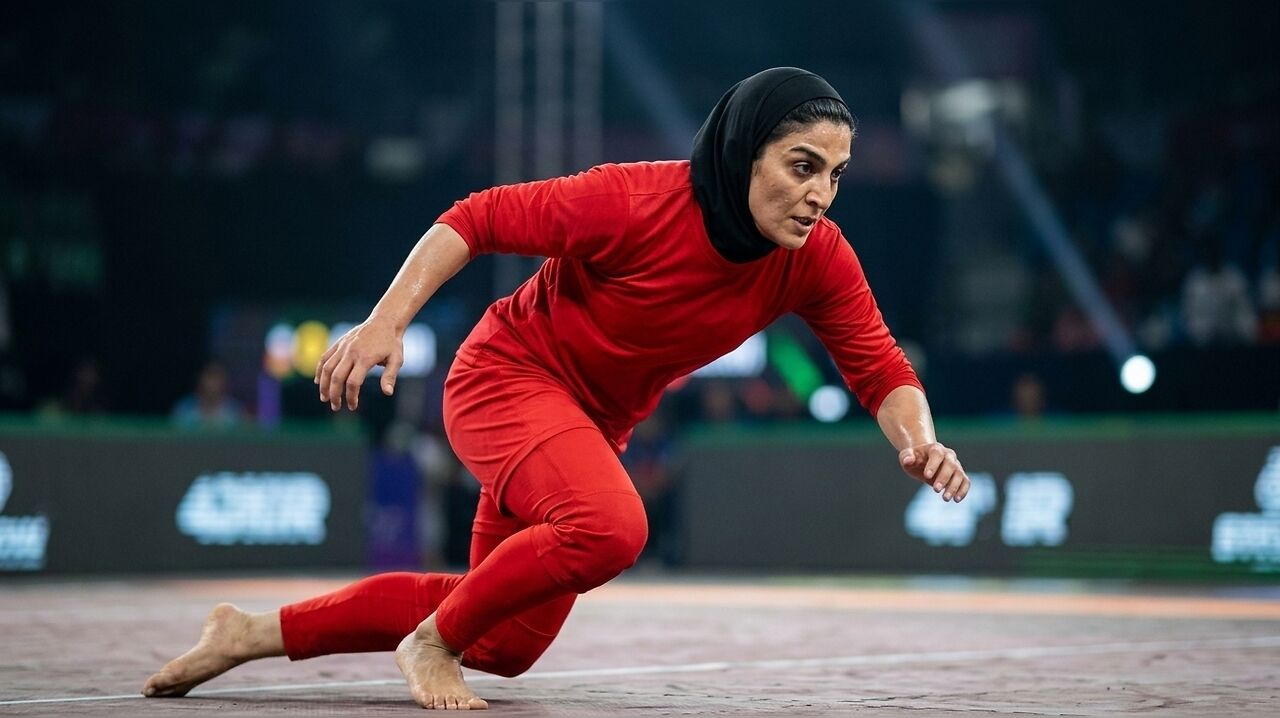
The tournament itself presented significant logistical hurdles. The Indian contingent was housed on a cruise ship, which created challenges regarding travel distance to the venue and dietary options for vegetarian athletes. Despite these obstacles, the team maintained its focus. The final against Iran proved to be the ultimate test, with India overcoming an early 7-5 deficit to secure the win under the watchful eyes of the Indian Olympic Association leadership.
Looking Toward the Future of Women’s Kabaddi
Reflecting on the evolution of the sport, Dadwe emphasized the need for a professional ecosystem for women, similar to the Pro Kabaddi League that has transformed the men’s game. She argued that a dedicated professional league would not only improve fitness and nutrition standards but also provide a vital pathway for young talent from humble backgrounds to achieve financial stability through the sport.
Despite the lack of a permanent professional structure, the current calendar remains packed for the national side, with upcoming events including the Commonwealth Kabaddi Championship in Ahmedabad and the Indo-Asian Games in Dubai. For Dadwe, who has now guided India to two Asian Games gold medals, the focus remains on the continued growth of the sport. As she prepares for her next commitments, the coach remains grounded in the experiences that shaped her career, from her early days at the Maratha Lancers in Nagpur to her current status as a leading figure in Indian kabaddi.