India concluded its latest Asian Games campaign with a commendable tally of 85 medals, including 21 gold, securing a fourth-place finish in the overall standings. While China maintained its dominance at the top of the table, followed by Japan and South Korea, the Indian contingent’s performance provided a clear snapshot of the nation’s current sporting landscape. As the focus shifts toward the Aichi-Nagoya Games and the subsequent
Among the standout individual displays, 17-year-old archer Kumkum Mohod emerged as a defining figure. Her gold medals in both team and individual recurve events were complemented by the significant achievement of securing a direct quota for the LA Olympics. Her performance highlighted the potential of India’s youth, though the coming years will test whether this momentum can be sustained against the heightened pressure of global competition.
Successes in Team Sports and Wrestling
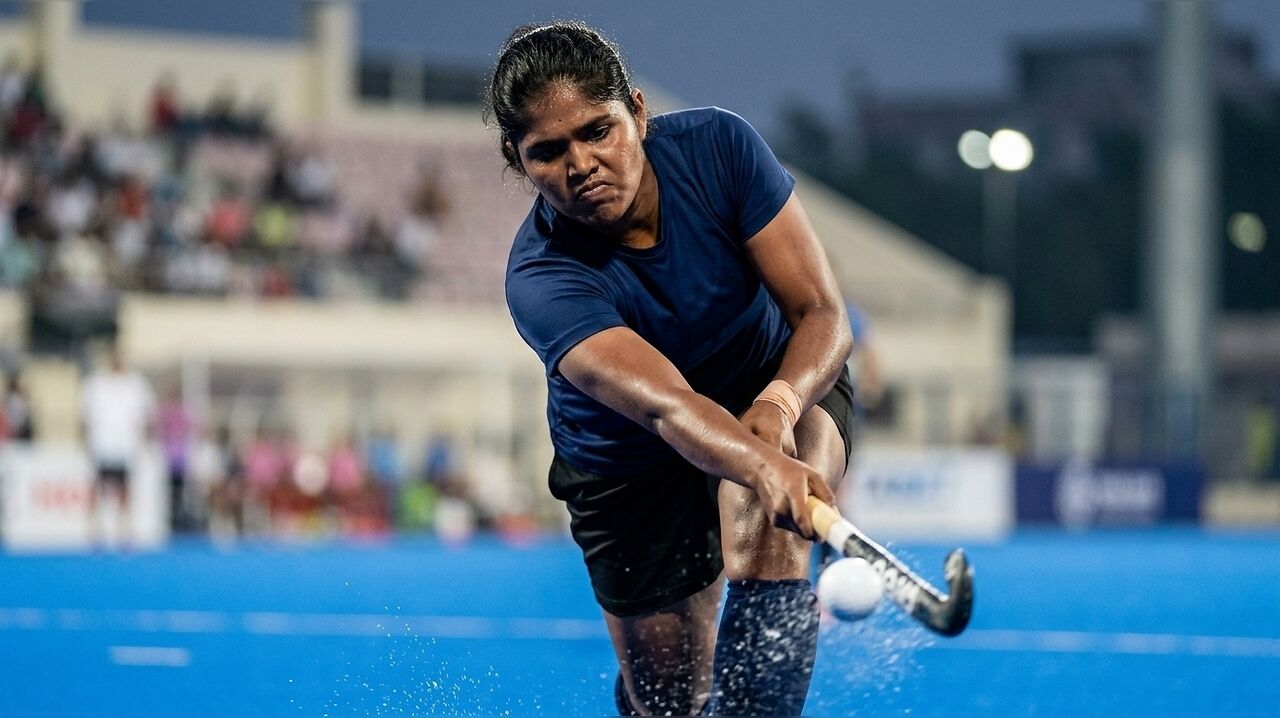
The women’s hockey team delivered a landmark performance, securing gold for the first time since 1982. This victory, which also guaranteed an Olympic spot, underscored the impact of team cohesion and disciplined preparation. While the men’s hockey team also successfully booked their ticket to the Olympics, the disparity between their continental dominance and their performance at the World Cup suggests that significant tactical evolution is required to bridge the gap with European powerhouses.
Wrestling continued to demonstrate the efficacy of its existing development systems. The emergence of talents such as Aman Sehrawat, Sujeet Kalkal, and Antim Panghal provides a strong core for the future. However, there is a clear need for the Wrestling Federation of India to prioritize the Greco-Roman category to broaden the sport's overall success. Meanwhile, the boxing contingent celebrated its most successful outing to date, returning with three gold and three bronze medals.
Strategic Gaps and Future Planning
Despite these highlights, the performance in track and field served as a mixed bag. Although the medal count remained consistent with previous cycles, the Athletics Federation of India faces pressure to address narrow misses and lost gold opportunities through improved accountability and refined selection processes. Similarly, the results in shooting and badminton have raised concerns. The lack of depth in the badminton squad, particularly regarding backups for established, aging stars, suggests an urgent need for structural investment.
Ultimately, the path to greater Olympic glory requires a shift in focus toward medal-intensive disciplines, such as water sports, where India currently lags behind global standards. With many athletes viewing the Asian Games as their pinnacle, the challenge lies in transitioning that success to the Olympic stage. For the Indian sports ecosystem, the upcoming Aichi-Nagoya Games must serve as a vital springboard, forcing a re-evaluation of training strategies and the implementation of robust contingency plans to ensure long-term international competitiveness.