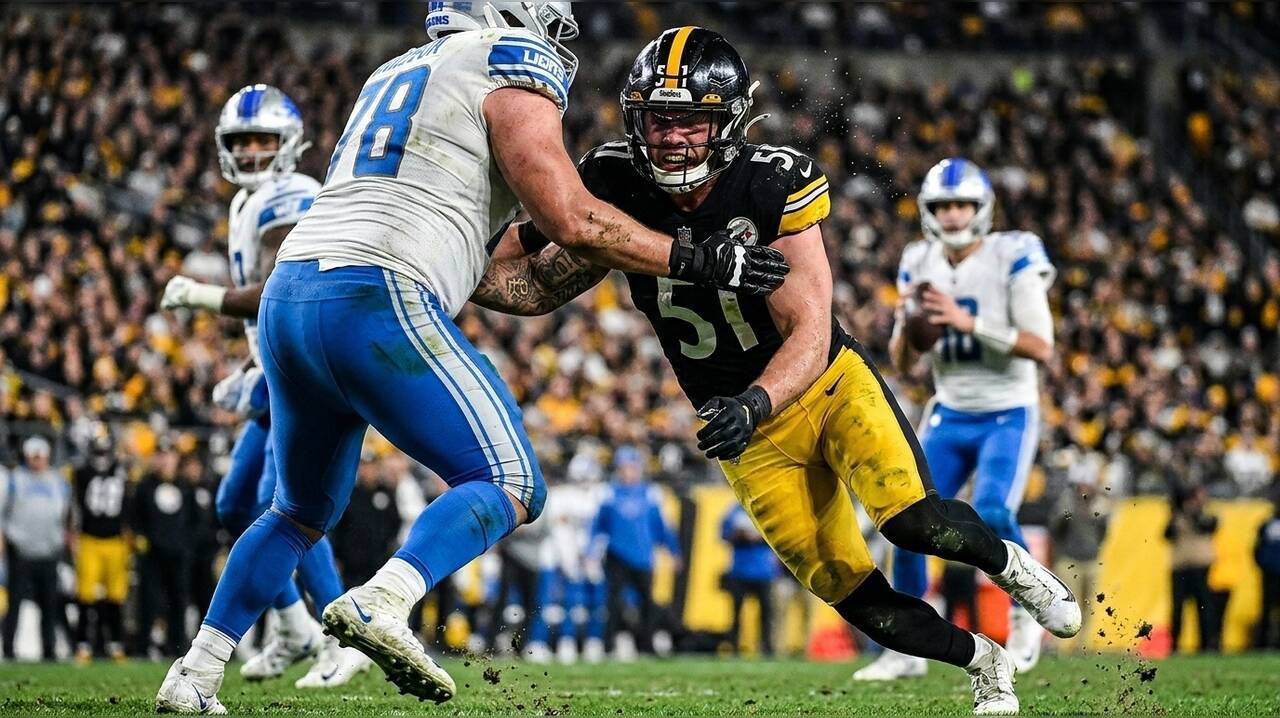
As the 2026 NFL season approaches, significant enhancements have been made to the league's pass block and pass rush win rate statistics, which were first introduced eight years ago. These metrics, initially groundbreaking in player tracking, have undergone a comprehensive upgrade aimed at improving their stability and reliability, according to sports data scientist Brian Burke. The changes come after extensive analysis and observation of player performances, particularly focusing on standout players like
Refined Metrics for Enhanced Accuracy
The updated metrics maintain their foundational approach, treating pass rush and protection through a weak-link survival system. This means that the timing of a block is crucial; a successful block at 2.0 seconds is significantly different from one at 4.0 seconds. The weak-link model indicates that a single failure in pass blocking can compromise the entire unit's performance, emphasizing the importance of every player's contribution on a given play.
To simplify communication, the baseline for win rates has been set at 2.5 seconds post-snap, providing a clearer metric akin to a batting average for linemen. A notable addition this season is the "bull rush win," which occurs when a defender disrupts the quarterback's vision or forces him out of the pocket, even if he does not surpass his blocker. This new definition has shown to correlate with lower completion percentages and yards per attempt, highlighting its significance in evaluating defensive effectiveness.
Impact on Player Rankings and Performance
The revisions have led to a marked increase in year-over-year reliability of the metrics, with correlations rising from 0.53 to 0.59. This improvement indicates a stronger link between individual player performance across seasons. The updated metrics also show a better correlation with expected points added (EPA) per play, increasing from 0.24 to 0.34, which suggests a more accurate reflection of a player's impact on game outcomes.
Among the players affected by these changes, Steelers edge rusher Herbig saw his pass rush win rate drop from 26.3% to 14.3%, while Broncos edge Nik Bonitto also experienced a decline. Conversely, players like Joey Bosa and Aidan Hutchinson benefited from the new metrics, with Bosa's previously recorded losses being reclassified as wins due to the refined criteria. The adjustments have also shed light on the effectiveness of bull rushing, with players like Leonard Williams leading in