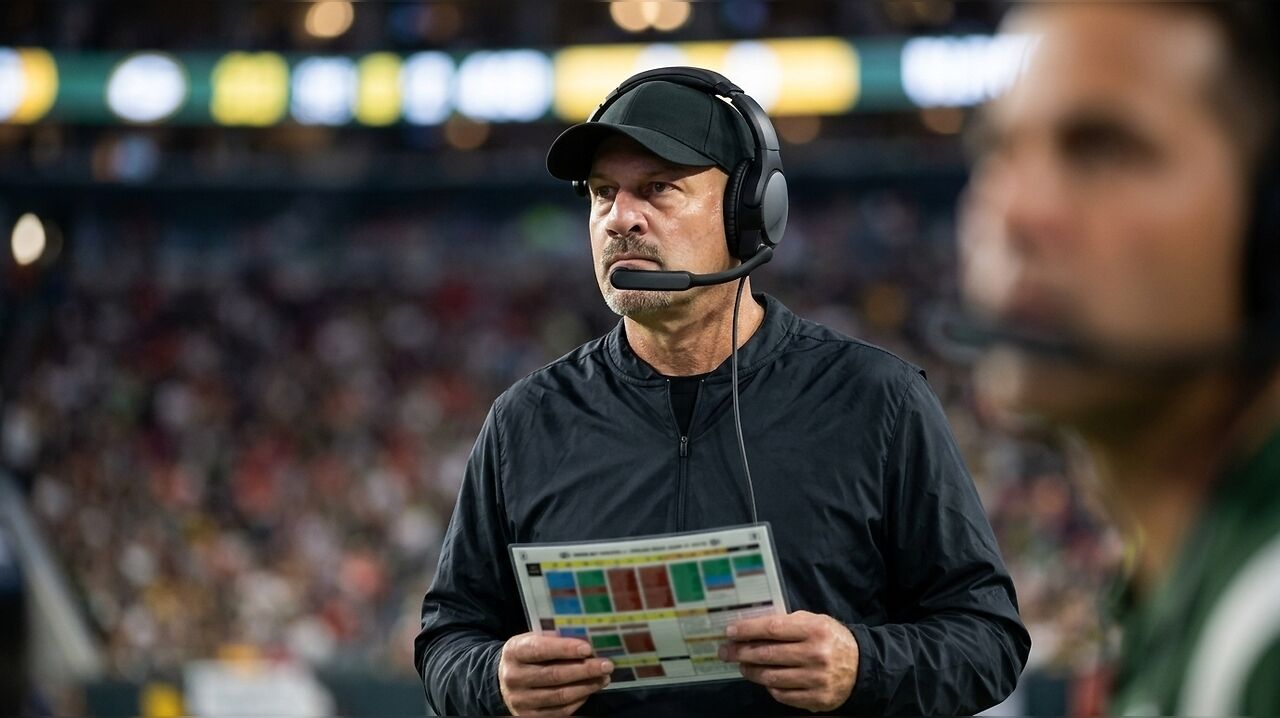
The move reunites Pettine with Parker, a coach he originally brought into the league as a quality control coach with the Green Bay Packers in 2018. Although the possibility of joining the Dallas staff was discussed during the winter, Pettine’s initial retirement plans delayed the appointment. Following a brief visit to the team in the spring, he has now begun his first week in the new role, where he will operate from the coaches' booth during games while Parker continues to lead from the sideline.
A Wealth of Experience to Support a New Coordinator
Pettine brings 24 years of NFL experience to the Cowboys' defensive room, including stints as a defensive coordinator for the New York Jets, Buffalo Bills, and Green Bay Packers. He also served as the head coach of the Cleveland Browns for two seasons and spent the last four years as the assistant head coach for the Minnesota Vikings. His primary objective in Dallas is to provide guidance to Parker, who is currently navigating his first season as a defensive coordinator.
Reflecting on the transition, Pettine noted that he is currently focused on familiarizing himself with the team's personnel and scheme. He acknowledged the steep learning curve of the coordinator position, stating that he hopes to share the lessons learned from his own lengthy career to help Parker navigate the complexities of the role. Pettine emphasized that his contribution will focus on the finer details of the game rather than implementing radical changes.
Addressing Defensive Challenges
The Cowboys' defense has faced significant hurdles through the first five games of the season. The unit currently ranks 31st in the league in yards allowed per game, conceding an average of 395.4 yards, and sits 25th in points allowed per game at 27.2. Additionally, the defense has struggled to generate turnovers, recording zero interceptions and only five sacks thus far.
Pettine has spent his initial days with the team analyzing film and identifying areas for improvement. He stressed that there is no singular solution to the team's defensive struggles, but rather a need to focus on the fundamental aspects of execution. His goal is to help the staff refine their game plans to better emphasize the roster's strengths while effectively neutralizing the specific threats posed by upcoming opponents.