The
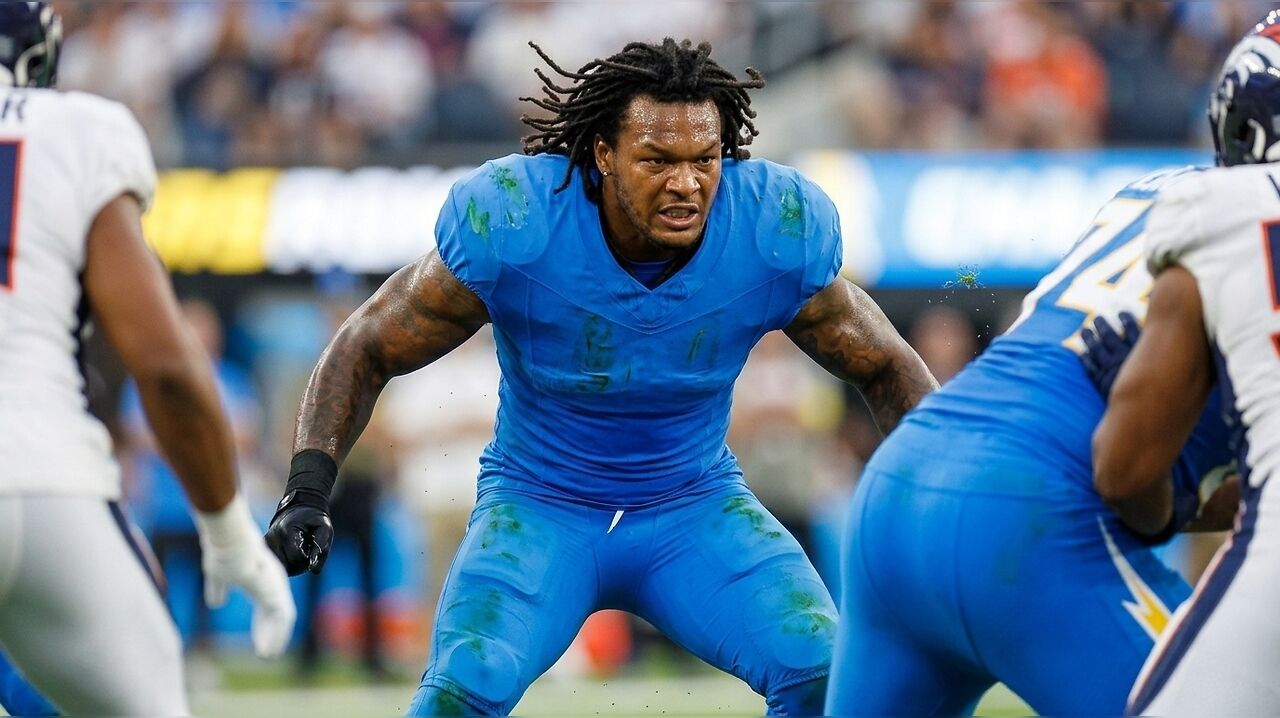
After a promising start to the season, including a career-high 23 carries and 40 snaps in a Week 2 victory over the Las Vegas Raiders, Hampton’s involvement has been inconsistent. By Week 5 against the Denver Broncos, the running back recorded just 20 offensive snaps, placing him behind teammates Kimani Vidal, who logged 26, and Keaton Mitchell, who saw 21. Despite this shift in distribution, head coach
Managing a Deep Running Back Rotation
The Chargers’ current approach appears to be driven by a desire to leverage the diverse skill sets of their three primary backs. McDaniel, who previously compared Hampton to Hall of Fame runner Terrell Davis, has emphasized that the team’s running back room is a significant strength. Rather than relying on a single bell-cow runner, the coaching staff is opting to rotate players based on game-specific matchups and situational needs. McDaniel described the process as fluid, noting that his primary objective is to find the right balance to maximize the team's scoring potential.
The increased usage of Vidal and Mitchell has been highlighted by key contributions, including a 42-yard touchdown run by Vidal against Denver and crucial third-down conversions by Mitchell. Harbaugh reiterated that the decision to rotate the trio is a strategic choice intended to keep defenses off-balance. He emphasized that the coaching staff has not lost faith in Hampton, but rather that they are committed to utilizing the depth of a unit that has remained healthy while other areas of the offense have faced setbacks.
Statistical Context and Future Outlook
Statistically, Hampton remains the team’s primary ball carrier with 73 carries for 271 yards through the first five games of the season. While his “rush success” rate has dipped from 42% in 2025 to 37% this year, he continues to be viewed as a vital asset by quarterback Justin Herbert. The veteran signal-caller praised Hampton’s physicality, ability to break tackles, and proficiency in pass protection, reinforcing the sentiment that the running back remains a trusted component of the offense.
As the season progresses, the Chargers face the challenge of balancing the development of a high-draft pick with the immediate production provided by the rest of the roster. McDaniel has maintained that the distribution of carries is not a reflection of any individual’s performance, but rather a tactical decision to exploit the various strengths of the group. With the team looking to optimize its offensive output, the rotation between Hampton, Vidal, and Mitchell is expected to remain a dynamic element of the Chargers' game-planning moving forward.