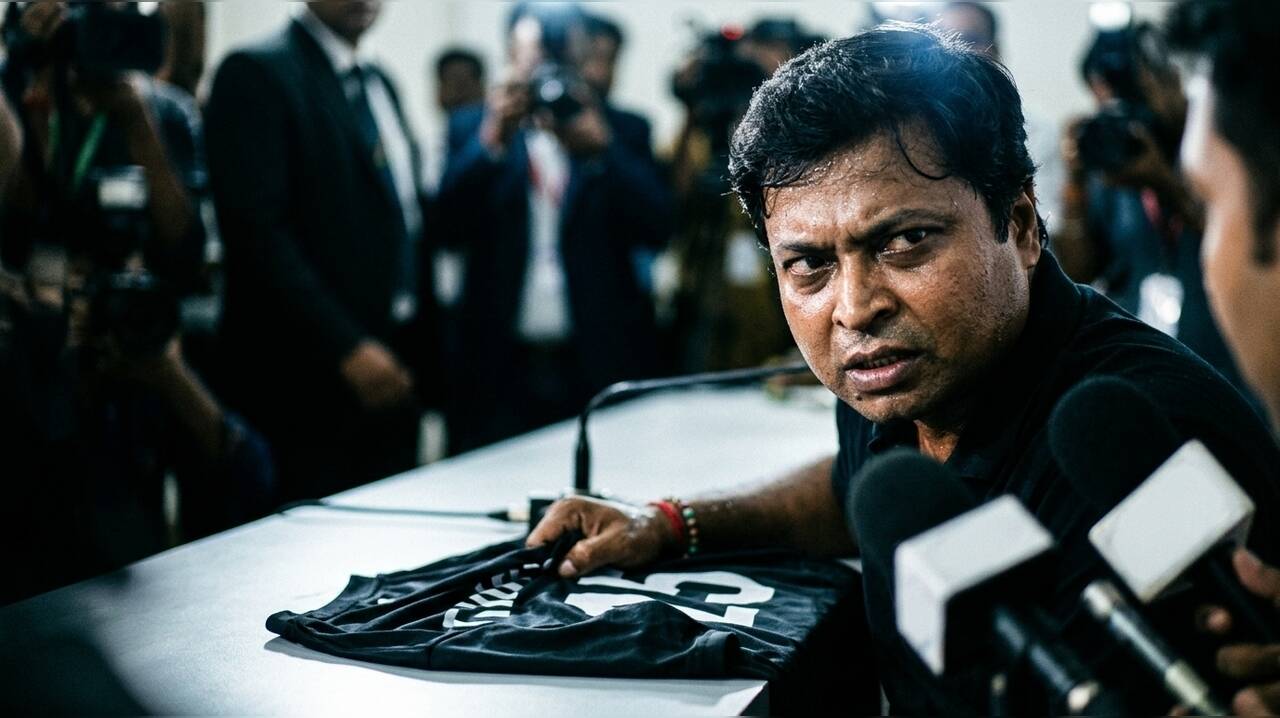
The ongoing jersey controversy within Indian hockey has escalated into a significant internal dispute, as
In a pointed response, Tirkey has now instructed Srivastava to provide a detailed, point-by-point reply to the concerns raised in a new email sent to all Executive Board members, a copy of which has been obtained by The Hindu. Tirkey emphasized that “Hockey India does not own Indian hockey. We are trustees and custodians of a national sporting legacy,” and set a deadline for Srivastava to respond by Tuesday. He further stated that “a response consisting only of general explanations or assertions without supporting documentary evidence will not enable the Executive Board to discharge its constitutional responsibilities.”
Concerns Over Decision-Making Process
Tirkey clarified that the issue at hand extends beyond the mere color or design of the jersey. He highlighted the importance of the decision-making process involved in changing a symbol that is deeply associated with Indian hockey. He requested detailed explanations regarding the authority under which the decision was made, the consultations that took place, and whether the governance framework of Hockey India was adhered to. Additionally, he sought to understand if the potential effects of the change on athletes’ preparation and mental readiness were evaluated prior to the announcement.
Moreover, Tirkey pointed out that members of the men’s national team were compelled to address media inquiries about the jersey change just before the World Cup, raising concerns about the impact on their focus and tournament readiness. He demanded clarity on the specific authority and approval processes that led to the jersey change, including a timeline, the names and roles of individuals involved, and all internal communications related to the decision.
Governance and Accountability Issues
In his correspondence, Tirkey also aimed to delineate the roles and responsibilities of elected officials within the federation and appointed staff. He noted that the Hockey India Bye-Laws outline a governance structure that assigns the elected bodies the responsibility for oversight and policy direction, while the Director General plays a crucial role in managing the federation’s operations. However, he stressed that administrative duties should not supersede the authority of the elected governance bodies.
The decision to change the Indian team’s jersey color to saffron has sparked significant backlash, with fans and former players alike questioning both the timing and the process of the decision, particularly given the lack of consultation with key stakeholders.