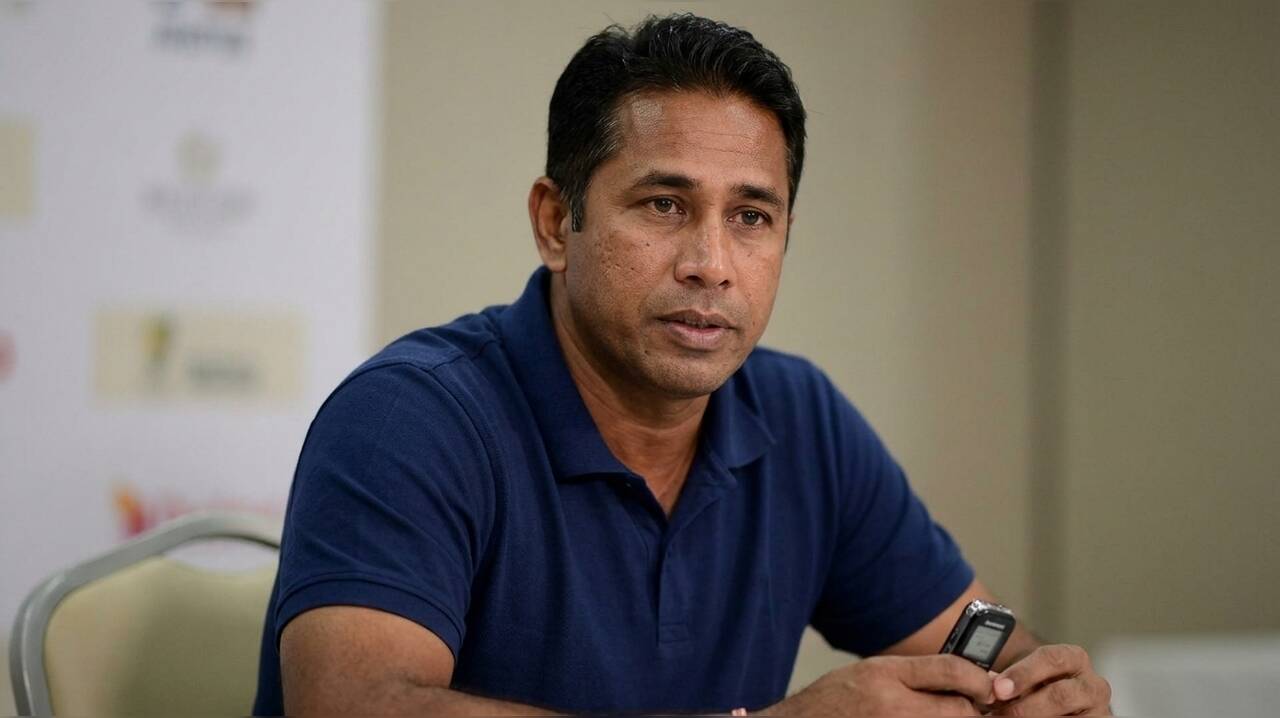
NEW DELHI: The landscape of cricket is shifting dramatically, with
“In the future, many countries will gravitate towards T20s, as it is clearly the format of the future. However, cricket boards must recognize that Test and one-day formats are the bedrock of the game and should be preserved,” Vaas stated in an interview with PTI. His remarks come at a time when the relevance of bilateral series is being questioned, particularly in light of the rise of franchise-based T20 competitions.
Protecting Traditional Formats
Vaas highlighted the necessity for cricket boards to collaborate in order to maintain the viability of 50-over cricket. He believes that a robust structure supporting these formats will encourage young players to engage with both Test and one-day cricket. “Test cricket is facing a decline, and it is crucial for boards to devise strategies that ensure its survival. Young players need exposure to this format, as it is where their skills are truly tested,” he remarked.
Reflecting on Sri Lanka's recent struggles in
The Need for More Test Matches
“Unfortunately, we don’t have enough Test matches scheduled. The Sri Lankan cricket board must take action to secure more Test opportunities. A two-match Test series does not provide adequate experience for players; they need more exposure to red-ball cricket at the highest level,” Vaas explained. He stressed that a scarcity of Test matches hampers the growth of young cricketers, making it challenging for them to acquire the necessary skills for success in this format.
Vaas also emphasized the importance of players understanding their strengths in relation to different formats. “Some players excel in all formats, while others may only thrive in white-ball cricket. It is essential for players to identify their best format and become comfortable within it. For me, Test cricket represents the pinnacle of skill, and players must focus on mastering the fundamentals, regardless of the format they choose,” he concluded.