Ahead of India’s upcoming two-Test series against New Zealand, batting legend
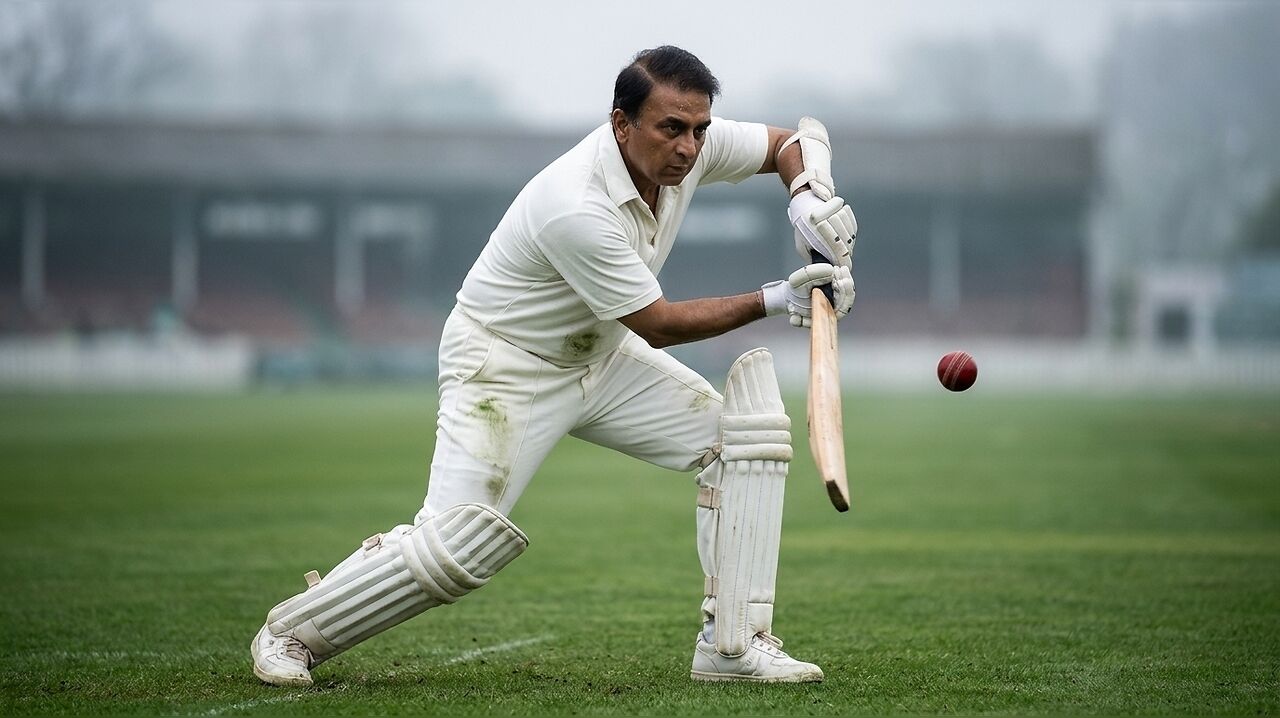
Reflecting on India’s previous Test tour of New Zealand in 2020, where the team struggled to post competitive totals, Gavaskar highlighted the need for patience and refined technique. He cautioned against committing too early to shots, noting that playing late provides a batter with the best opportunity to adjust to late movement. He specifically advised the squad to avoid pushing at the ball, advocating instead for a defensive approach using soft hands to ensure better control against the moving ball.
Strategic Adjustments and Series Structure
Gavaskar noted that while the early-summer conditions in New Zealand—characterized by cooler weather, potential rain, and grassy pitches—will present significant challenges, the surfaces can become excellent for batting once a player is settled. He expressed optimism that the current Indian lineup has the capacity to adapt, provided they maintain discipline at the crease.
The former captain also addressed the logistical advantages of the current tour schedule. Having already spent an extended period in the country for the preceding T20I and ODI matches, the Indian squad has had ample time to acclimatize to the local time difference. Gavaskar identified this as a significant benefit, as the physical adjustment to the body clock is often a hurdle for touring teams in New Zealand.
Beyond individual technique, Gavaskar voiced his opinion on the structure of the World Test Championship, suggesting that every series should consist of at least three matches. He argued that a two-Test series often fails to produce a definitive winner, whereas a third match provides a more equitable opportunity for a team to secure a series victory.
Confidence in India’s Pace Attack
Looking at the bowling department, Gavaskar expressed confidence in India’s ability to trouble the New Zealand batters. He pointed to the leadership of Jasprit Bumrah and the presence of Mohammed Siraj as key assets that could surprise the opposition. While acknowledging that success in such conditions often requires a degree of fortune, he maintained that the current Indian squad possesses the necessary talent to compete effectively.