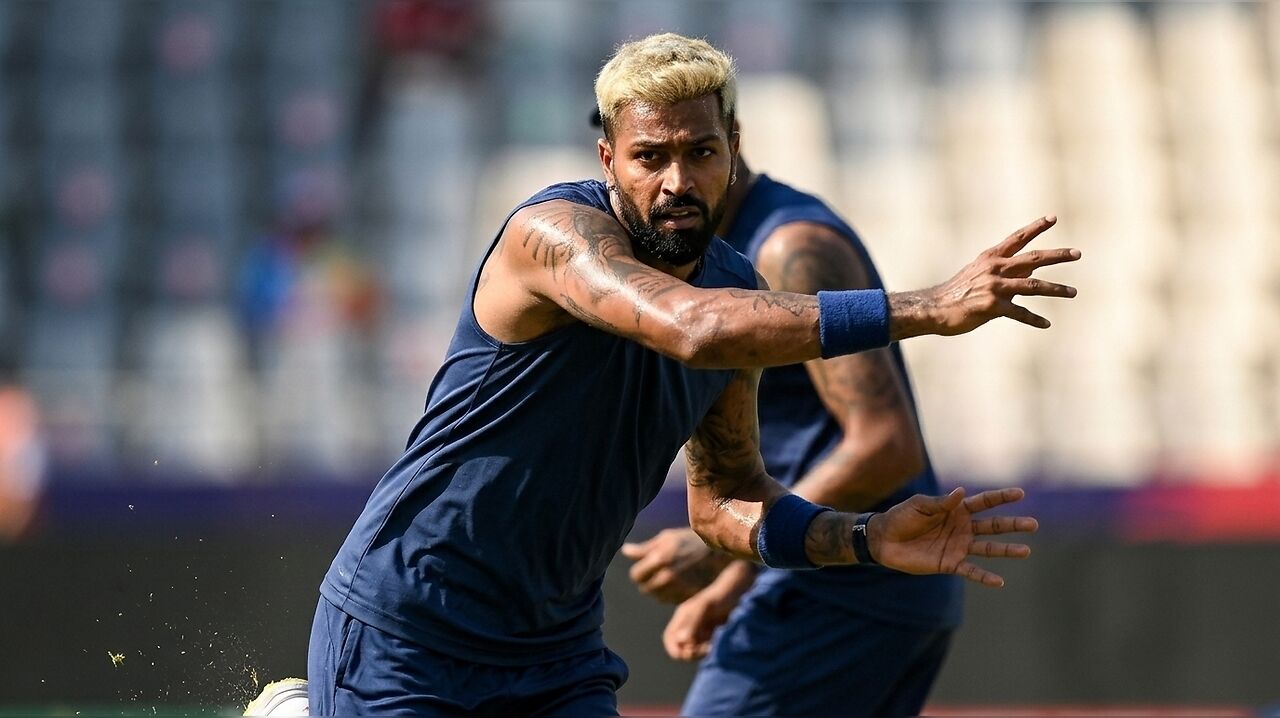
Former India captain
The all-rounder was initially slated to make a comeback for India A during their upcoming ODI series against Australia A, which is scheduled to commence on October 6. However, that return has been pushed back, and it has been confirmed that he will not be available for India's upcoming white-ball tour of New Zealand. Kapil Dev noted that playing more frequently allows a player's body to adapt to the physical demands of the sport, whereas sporadic appearances can increase the risk of injury.
Broader Fitness Challenges Within the Indian Squad
The concerns surrounding Pandya are part of a wider trend of injury issues currently affecting the Indian national team. Fast bowler Prasidh Krishna is expected to be sidelined for at least three weeks, making him a significant doubt for the five-match ODI series against New Zealand, which follows the T20I leg of the tour beginning on October 22.
Additionally, Harshit Rana has faced a setback in his recovery. After missing the T20I series against Afghanistan and the 2026 Asian Games, Rana was undergoing rehabilitation at the BCCI’s Centre of Excellence in Bengaluru. Reports indicate he experienced low-grade pain in his left quadriceps during a recent match simulation, making his selection for the New Zealand tour unlikely. Rana has not featured in competitive cricket since the white-ball series against England in July.
Reflecting on Changing Demands
In discussing the frequency of injuries in modern cricket, Kapil Dev drew comparisons to the playing habits of previous generations. Referencing observations made by former teammate Sandeep Patil, the legendary all-rounder highlighted the importance of consistent involvement in domestic formats, including the Ranji Trophy, Duleep Trophy, and club cricket.
Kapil Dev emphasized that maintaining a high volume of play—ideally staying involved for as many as 250 days a year—is essential for keeping players match-fit. As India navigates this period of player unavailability, the focus remains on how the team can manage the workload of key personnel to ensure they are available for extended international campaigns.