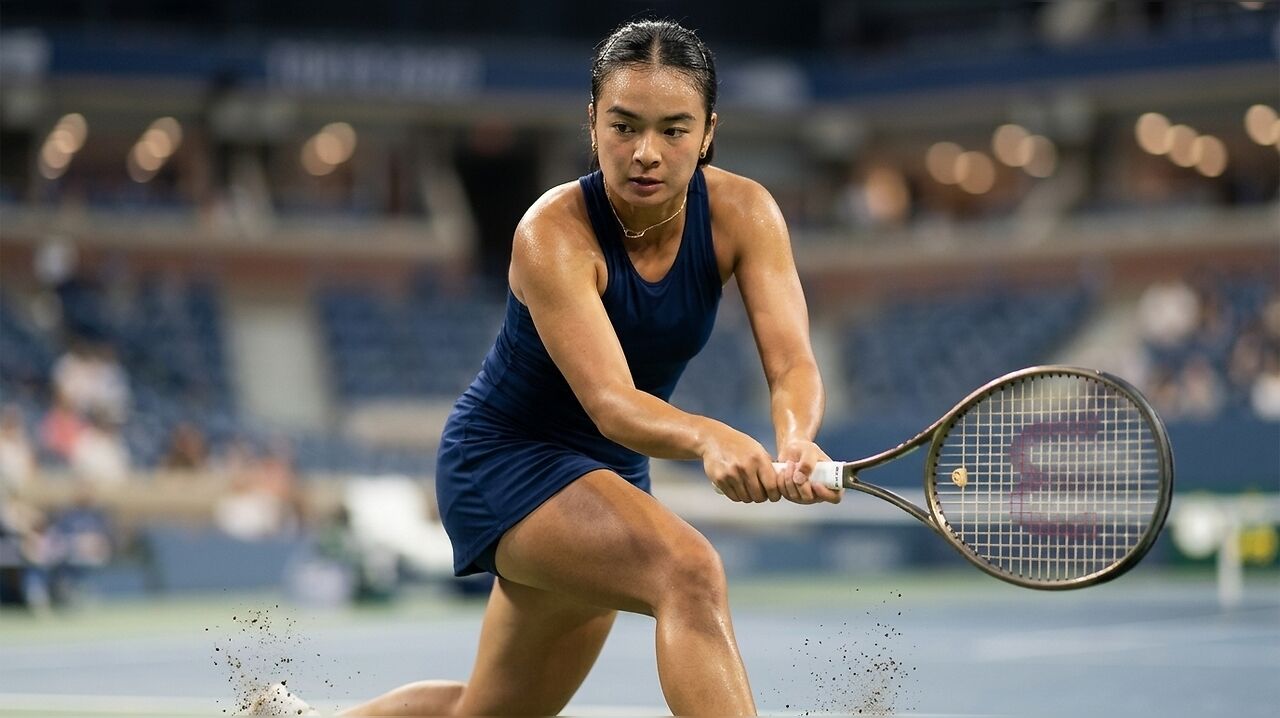
The tournament saw Eala navigate the early rounds with confidence, securing victories against Patcharin Cheapchandej and Joanna Garland. However, her path to the final was halted in the semifinals by China’s Wang Xiyu. Despite taking the opening set, Eala was unable to maintain her momentum, eventually falling to the left-hander with a final score of 3-6, 6-3, 6-2.
A Shift in Expectations
The reaction to Eala’s bronze medal finish underscores the significant progress she has made in her career. Previously, participation in major events and deep runs in tournaments were considered milestones in themselves. Having since established herself as a consistent presence on the WTA Tour and a winner of a WTA 500 title, the standard for success has shifted, making a semifinal exit feel like a missed opportunity for the Filipino star.
The loss to Wang serves as a reminder of the competitive nature of the Asian Games, where Eala was viewed as the favorite to claim the top prize. While the defeat may be frustrating for both the athlete and her supporters, it reflects the reality of her current standing in the sport. At just 21 years old, she has reached a level where she is expected to contend for titles in every tournament she enters.
Commitment to National Representation
Beyond the final scoreline, Eala’s participation in the Aichi-Nagoya Games was notable for her decision to prioritize national representation over the WTA Tour’s Asian Swing. With her ranking now mandating entry into high-profile events like the China Open, Eala faced a choice between continuing her professional momentum or competing for her country. By choosing the latter, she demonstrated a commitment to Philippine sports that resonates with fans.
While the gold medal remained elusive this time, Eala’s presence on the court continues to elevate the profile of tennis in the