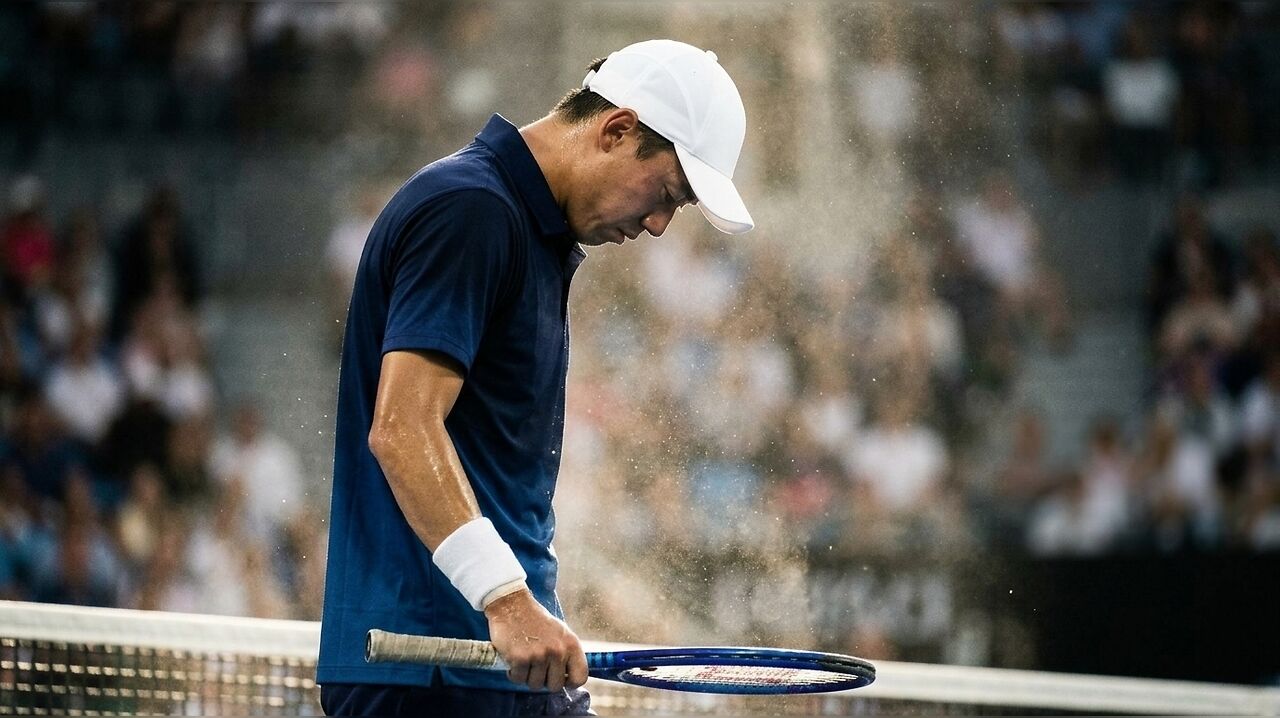
The atmosphere at the tournament was one of reflection as the former world No. 4 stepped onto the court for the final time. Having been granted a wild-card entry into the event—a tournament he famously won in both 2012 and 2014—Nishikori had spoken earlier in the week about the conflicting emotions surrounding his farewell. He described the experience as a mix of excitement to compete on home soil and the inherent sadness of knowing his elite-level journey was reaching its conclusion.
A Legacy Defined by Grand Slam Success
Nishikori’s professional career, which began in 2007, leaves behind a significant footprint in the sport. He is best remembered for his historic run at the 2014 US Open, where he became the first Japanese player to reach a Grand Slam men's singles final. Although he ultimately fell to Marin Cilic in that championship match, his performance remains a landmark moment for tennis in his home country.
The latter stages of his career were frequently interrupted by physical setbacks. Nishikori missed the Australian Open in January due to right shoulder pain and has struggled with various injuries over the past several years, including an absence from last year's US Open. These challenges ultimately influenced his decision to step away from the professional circuit.
Broader Action at the Japan Open
While the focus remained on the veteran’s departure, the Japan Open continued with other notable results. Third-seeded Taylor Fritz was eliminated from the competition, falling to Spain's Jaume Munar in a three-set battle that ended 6-7 (7), 6-4, 6-3. The tournament schedule also featured top-seeded Carlos Alcaraz, who was slated to face American Alex Michelsen following his recent appearance at the Laver Cup in London, where he defeated Fritz.