When the
The trade was intended to reshape the competitive trajectory of both teams. For the Packers, acquiring the All-Pro edge rusher was a move designed to push them into Super Bowl contention. For the Cowboys, the departure of their star defender was framed by owner
The Lingering Impact of the Trade
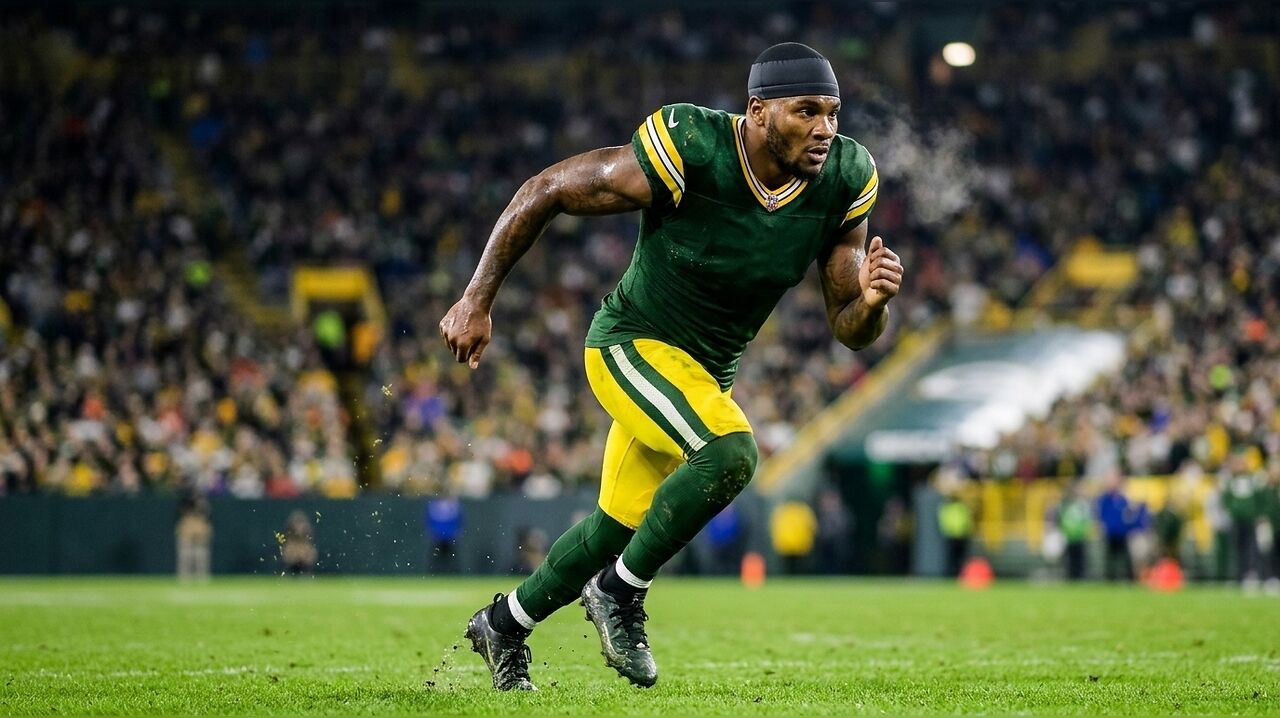
The Packers' investment in Parsons, which included a four-year, $188 million contract extension, has yet to yield the on-field dividends the front office envisioned. The team struggled significantly following Parsons' season-ending knee injury in Week 15 of last year, failing to secure another win and suffering an early playoff exit. While the Packers have started this season with a 3-2 record, they remain in a holding pattern, waiting for their defensive anchor to return to full fitness. Despite his absence, teammates and coaches have noted his continued influence as a leader and energy provider within the locker room.
Conversely, the Cowboys have faced a difficult transition defensively. Since shipping Parsons to Green Bay, the Dallas defense has struggled to maintain the consistency that defined their previous campaigns. The team has allowed 20 or more points in 12 consecutive games, matching a franchise record, and currently ranks 31st in the league in yards allowed per game. While the Cowboys utilized the draft picks acquired in the trade to add talent—including defensive tackle Quinnen Williams and pass rusher Malachi Lawrence—the unit has yet to replicate the pressure and takeaway efficiency they enjoyed during the Parsons era.
Statistical Shifts and Future Outlook
The statistical decline in Dallas' defensive output is stark. During Parsons' tenure, the Cowboys averaged 1.72 takeaways per game; that figure has plummeted to 0.64 in the 22 games since the trade. Furthermore, the frequency with which the team records three or more sacks has dropped from 48.5% to 31.8%. While coaching staff changes, including the arrival of defensive coordinator Christian Parker and senior assistant Mike Pettine, aim to rectify these issues, the team is still searching for a reliable pass-rush identity.
For Green Bay, the focus remains on the long-term health of their marquee acquisition. General manager Brian Gutekunst has emphasized that the organization is prioritizing Parsons' recovery over immediate availability, viewing the trade as a multi-year commitment. As the Packers continue to integrate younger defensive contributors like Brandon Cisse and Chris McClellan, the return of Parsons is expected to provide a significant boost to a pass rush that has remained serviceable in his absence. Both franchises now look toward the remainder of the season, hoping that the risks taken in last year's trade will eventually pay off in the form of sustained defensive success.