NFL

What is the process for constructing NFL rosters at every position to reach Super Bowl caliber?

  • Authored By: Sports Now
  • Updated Jul 10, 2026, 02:13 IST

Do teams require first-round quarterbacks for Super Bowl success? Is investing heavily in premier receivers and elite edge rushers essential?

What is the process for constructing NFL rosters at every position to reach Super Bowl caliber?

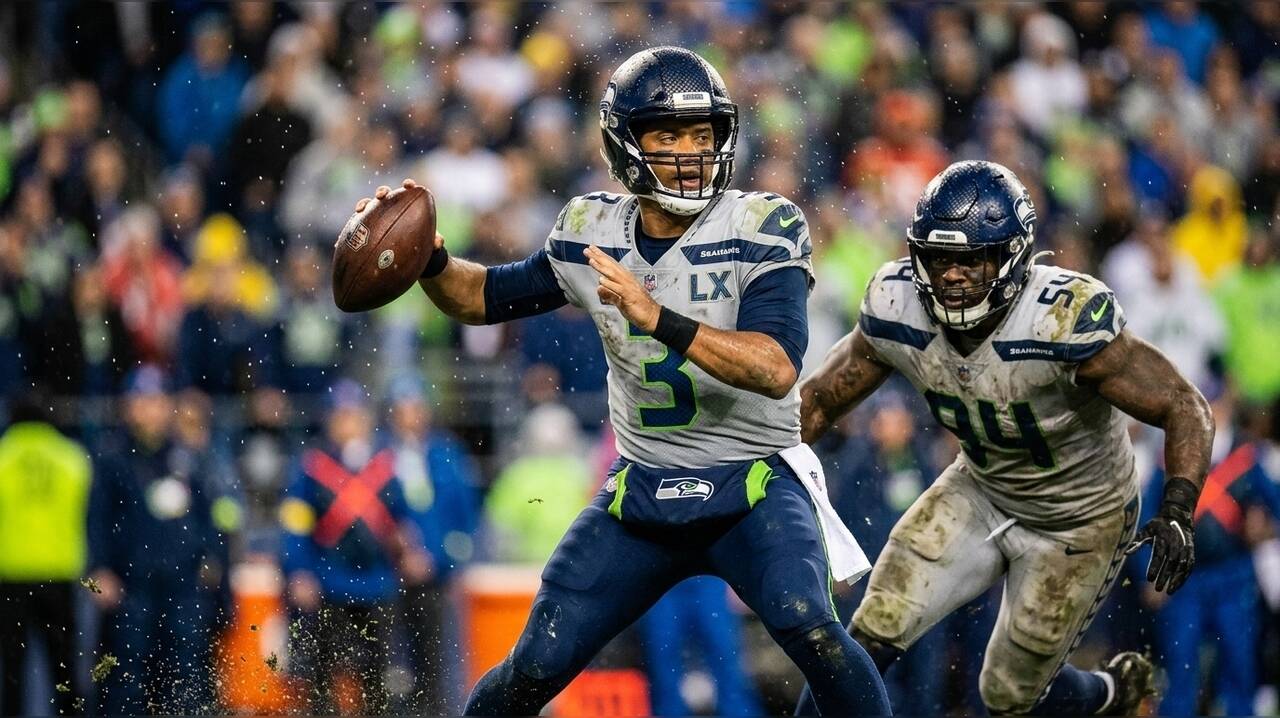
Building a Super Bowl-caliber NFL team is a complex endeavor that elicits a variety of strategies and philosophies from general managers across the league. While some may argue that a strong defense, a star quarterback, or a formidable offensive line are essential components, history has shown that there is no universal formula for success. The recent triumph of the 2025 Seattle Seahawks, who secured the championship with Sam Darnold at the helm, exemplifies this unpredictability. Darnold's performance fluctuated throughout the season, yet he delivered a standout performance in the NFC Championship game against the Rams, even if he struggled in the Super Bowl itself. The Seahawks' defense, led by standout players like Devon Witherspoon, played a crucial role in compensating for any offensive shortcomings.

Another notable example is the New England Patriots, who, after a dismal previous season, transformed their roster through aggressive free agency. This approach mirrors the success of teams like the Kansas City Chiefs and Baltimore Ravens, which have thrived on the development of young quarterbacks. The Patriots' rapid turnaround, featuring a mix of seasoned veterans and emerging talents, underscores the evolving landscape of NFL roster construction.

Evolution of Roster Building

The dynamics of NFL roster building shifted significantly following the 2011 collective bargaining agreement, which established fixed rookie salaries and redefined free agency timelines. This change has led to younger rosters, with the average age of players on the field dropping from 27.7 years in 2010 to 27.1 years in 2024. Over the past 15 seasons, 30 teams have vied for the Lombardi Trophy, revealing insights into effective strategies for assembling championship contenders. A closer examination of these teams indicates that while high draft picks and free agency acquisitions are vital, successful teams often rely on a blend of homegrown talent and strategic signings.

In analyzing the paths taken by these teams, it becomes evident that a significant portion of their rosters is built through the draft. For instance, 24 of the 30 players on Super Bowl rosters were drafted, highlighting the importance of developing talent from within. However, the data also reveals that teams can find success with players acquired through trades or free agency, particularly in key positions like quarterback and edge rusher. The balance between investing in high-profile players and nurturing lower-cost options is crucial for sustained success.

Key Takeaways for Future Success

As teams look to the future, several key takeaways emerge from the analysis of Super Bowl-winning rosters. First, the importance of drafting and developing talent cannot be overstated; successful teams consistently feature a core of homegrown players. Additionally, while high-profile acquisitions can provide immediate impact, teams must also identify and cultivate lower-cost players who can contribute significantly without breaking the bank. The ability to adapt and find value in unexpected places, whether through the draft or free agency, will continue to be a defining characteristic of successful franchises.

Ultimately, there is no singular path to the Super Bowl. The diverse strategies employed by teams like the Seahawks and Patriots illustrate that success can come from a variety of approaches, emphasizing the need for flexibility and innovation in roster construction.