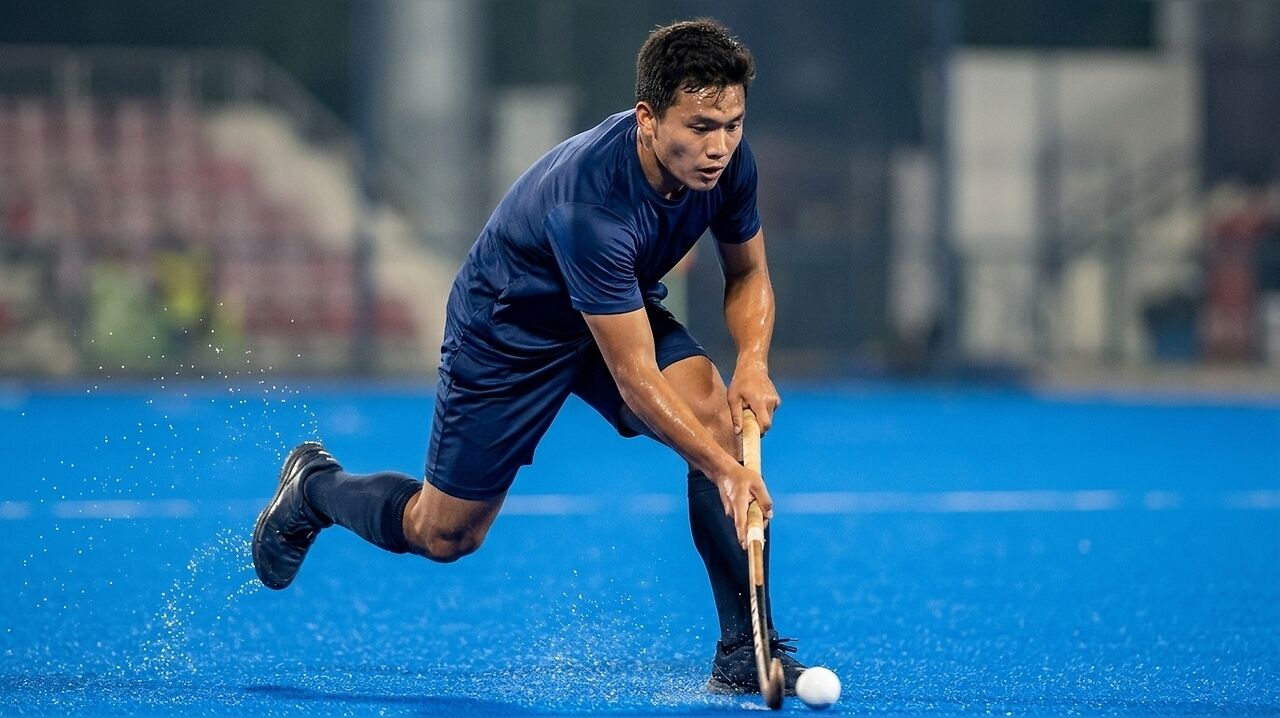
Fifteen years after its inception, the
The tournament, designed to showcase the best of the continent, is currently grappling with a narrative defined by lopsided results. Rather than serving as a crucible for high-level competition, the event has highlighted a concerning lack of depth among the participating nations. This imbalance has left observers and stakeholders questioning whether the current structure provides sufficient developmental value for the teams involved or if it merely reinforces existing hierarchies without fostering genuine growth.
The challenge of maintaining competitive integrity
For India, the primary challenge appears to be finding meaningful opposition that can push them to improve. When the gap between the top-ranked side and the rest of the pack becomes too pronounced, the tournament risks losing its competitive edge. This has led to growing calls for a broader, more inclusive, and potentially revamped competition structure that could better serve the needs of all Asian hockey nations. The current setup, while providing consistent match practice, is increasingly viewed as insufficient for the broader ambitions of the sport in the region.
The conversation surrounding the Asian Champions Trophy is no longer just about the results on the scoreboard, but about the strategic direction of the sport. Critics suggest that without a fundamental shift in how the tournament is organized or how the talent pool is nurtured across the continent, the event may struggle to maintain its prestige. As the tournament progresses, the focus remains on whether the governing bodies will heed these concerns and consider structural changes to ensure that the Asian Champions Trophy remains a relevant and vital fixture in the