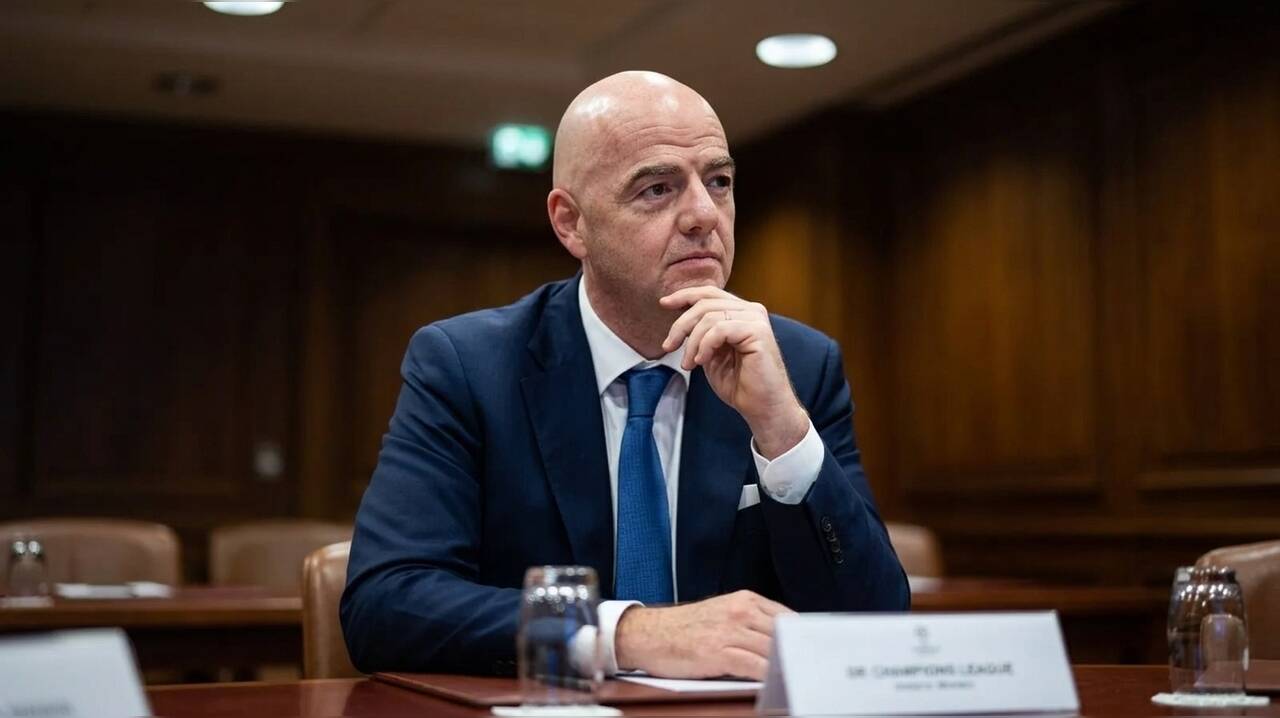
The European governing body had previously set two specific conditions for dropping the boycott, which was initially deployed as a strategic response to Infantino’s private investment plans. While the proposal was scrapped shortly after its announcement, UEFA maintained the threat, citing a lack of guarantees that similar attempts to alter the game's structure would not resurface in the future. According to sources, those concerns have now been addressed to the satisfaction of European officials.
Resolving Internal Tensions Ahead of FIFA Elections
The timing of this development is significant, as UEFA’s national associations are scheduled to gather in Monaco ahead of the Champions League draws. Maintaining a unified stance among the 55 member nations had become increasingly difficult, particularly with the Under-20 Women's World Cup set to begin in Poland on September 5. The tournament, which features major European nations including France, England, and Spain, had created logistical pressure to resolve the standoff.
Internal discussions suggested that continuing the boycott threat posed a risk of fracturing the anti-Infantino bloc. With the FIFA presidential election scheduled for next March in Rabat, the political landscape remains volatile. Infantino, who is seeking a fourth and final term, has faced a wave of opposition following the private financing scandal, with several member associations withdrawing their support—most recently Italy.
Leadership Challenges and Future Outlook
While the boycott threat was instrumental in forcing Infantino to abandon his investment plans, its long-term efficacy in removing the president remains a subject of debate within football circles. As the November 18 deadline for presidential candidates approaches, the focus is shifting toward potential challengers. UEFA president Aleksander Ceferin has confirmed he will not stand for the position, leaving CONCACAF president Victor Montagliani as a primary figure viewed as a potential successor.
The resolution of the boycott threat marks a cooling of hostilities, though the broader political instability within FIFA persists. With the Under-20 Women's World Cup approaching, the decision to step back from the boycott allows European nations to focus on the competition while navigating the ongoing leadership transition within the global governing body.