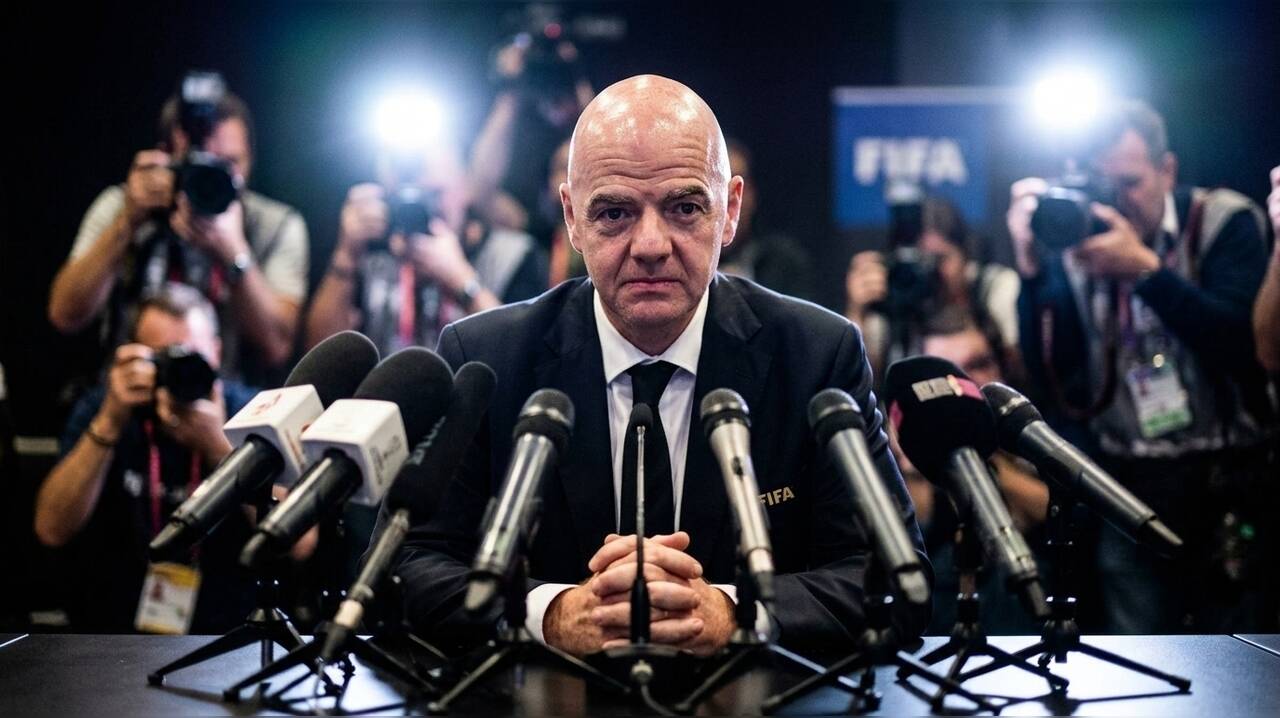
In a significant escalation of tensions within the world of football, three major continental confederations have publicly criticized FIFA President
The letter, signed by prominent figures including UEFA President Aleksander Ceferin, AFC President Salman Bin Ibrahim Al-Khalifa, and CONCACAF President Victor Montagliani, articulates a collective concern over Infantino's actions. It states, “When trust is broken through deception, when an individual places himself above the collective that entrusted him with authority, that duty has been abandoned.” The confederations emphasize that football is a shared passion that belongs to players, fans, clubs, and member associations, rather than to any single individual or institution.
Growing Pressure on Infantino
Infantino's recent troubles have intensified following the collapse of his controversial proposal to engage private equity investors in the World Cup. The confederations have expressed disappointment in his failure to meet the expectations associated with his role, stating, “It is not the conduct of a custodian of the game, but of one who believes the game is answerable to him.” This sentiment underscores a broader concern regarding the qualities necessary for effective leadership in football.
Despite the backlash from the confederations, Infantino has found some support outside the realm of football. U.S. President Donald Trump publicly defended him, asserting that replacing Infantino would be a mistake, citing his successful tenure during the most profitable World Cup to date. However, the discontent within football governance remains palpable, with UEFA previously threatening to boycott FIFA events and calls for Infantino's resignation emerging from various national football associations, including Norway and England.
Calls for Accountability
The confederations have criticized FIFA's internal response to the failed proposal, highlighting that a crisis meeting in Morocco included only senior staff and lacked representation from elected officials or member associations. They argue that FIFA's acknowledgment of mistakes does not adequately address the deeper issues at play, stating, “There remains no recognition that attempting to sell an interest in the FIFA World Cup was a profound failure of judgment.” This ongoing conflict raises questions about the future direction of FIFA and the leadership required to restore trust within the sport.