

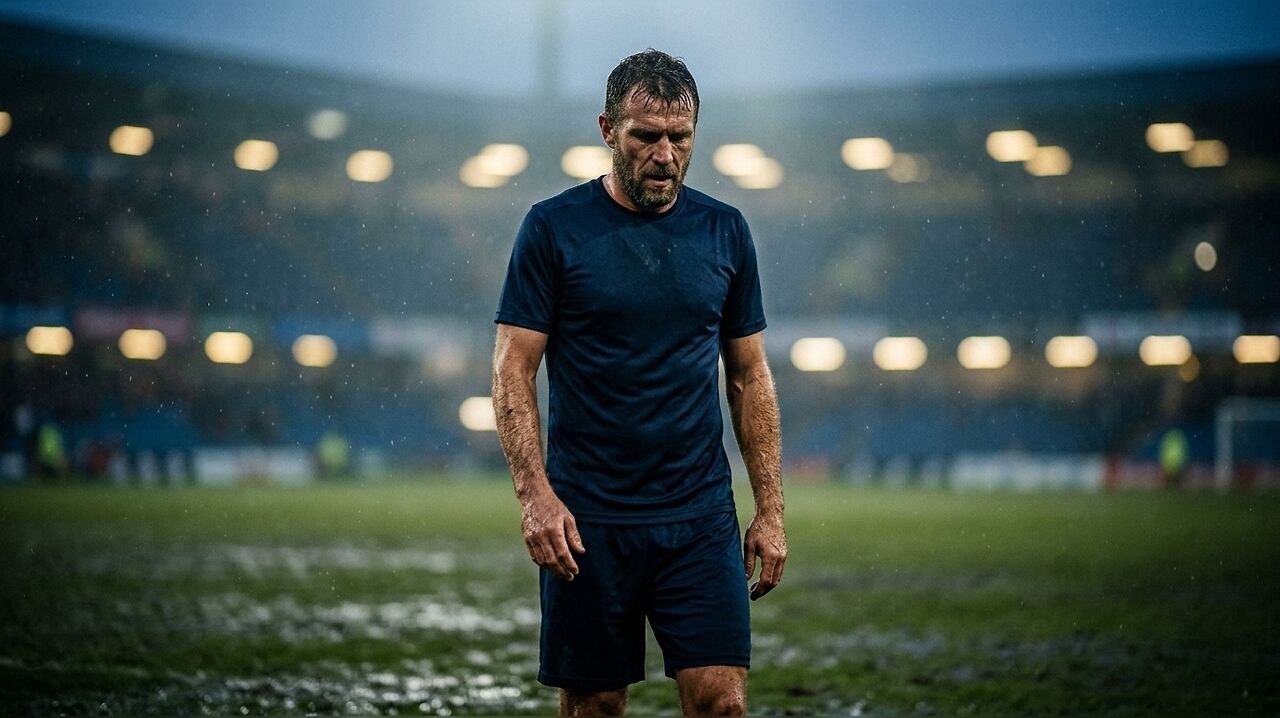
While retirement was not initially on the agenda following the World Cup, the veteran forward’s choice appears to be a direct response to his evolving role. Although the door remained open for his inclusion in future squads, the reality of his position had shifted, with the five-time Ballon d'Or winner no longer guaranteed an automatic starting spot.
A Career Defined by Tactical Evolution and Friction
Throughout his career, Ronaldo has frequently navigated challenges regarding his playing time and tactical fit. While he successfully transitioned from a winger to a central forward in his later years to maintain his effectiveness, the demands of the modern game at 41 proved difficult to reconcile with his traditional role. This tension with coaching staff has been a recurring theme, often surfacing when managers sought to adjust his involvement.
The situation mirrors previous conflicts, most notably his high-profile departure from Manchester United during his second stint at the club. His relationship with manager Erik ten Hag fractured when the coach refused to grant him a guaranteed starting role based on legacy alone. Similarly, his international career has been marked by cycles of friction with various managers, which were historically resolved by the team rallying around his individual brilliance.
Choosing Departure Over a Reduced Role
Ultimately, the decision to step away from international duty highlights a fundamental clash between Ronaldo’s elite mindset and the tactical requirements of the current Portugal setup. Rather than accepting a transition into a squad player role, a path taken by many veterans, the forward has opted to conclude his international journey entirely.
His departure marks the end of an era for Portuguese football, closing a chapter defined by his pursuit of a central role in every team he represented. By choosing to retire, Ronaldo leaves the international stage on his own terms, unable to reconcile his legacy with the prospect of a diminished presence on the pitch.
