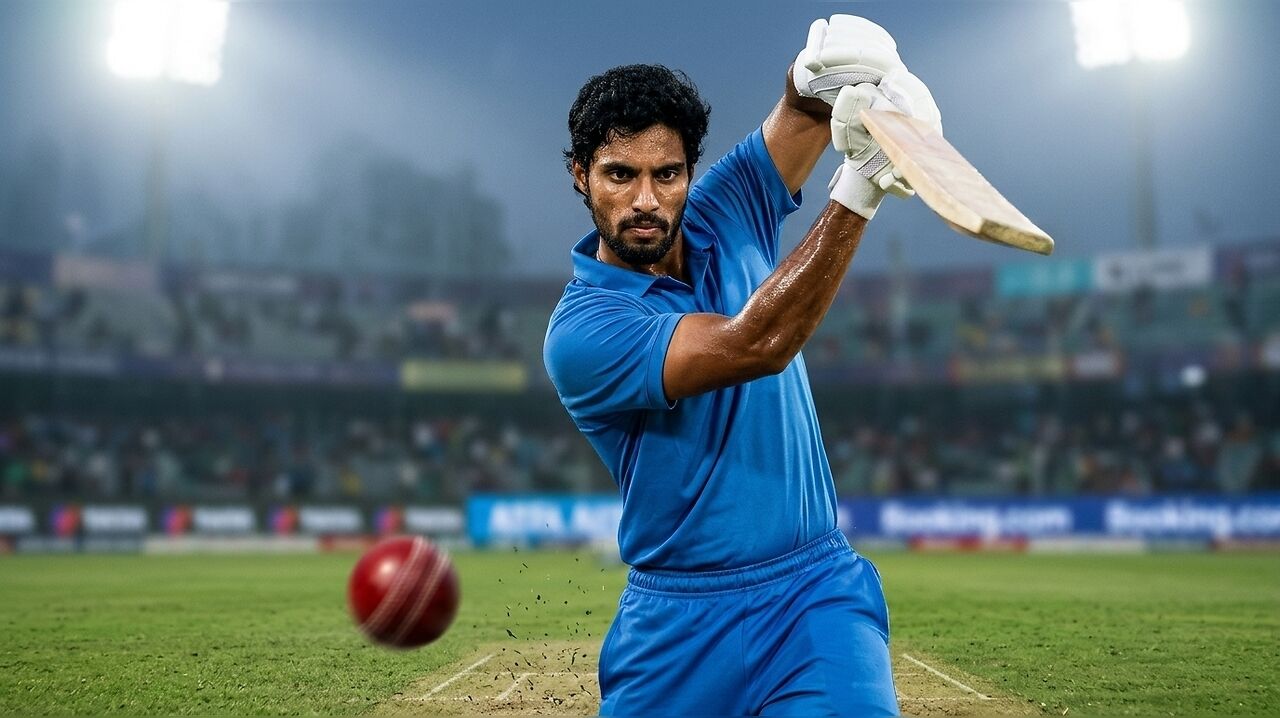
India captain
The visitors posted a total of 191/8 after being sent in to bat, a score that appeared competitive following a significant recovery effort. However, the Indian bowling attack struggled to contain the New Zealand chase, which the hosts completed in just 17.4 overs.
Batting Collapse and Fielding Lapses
Reflecting on the innings, Iyer noted that the team failed to capitalize on the platform established by himself and Ishan Kishan. After India slipped to 19/2, the pair put together a 93-run partnership that threatened to push the total beyond 200. Kishan contributed 61 from 32 deliveries, while Iyer added 50 off 23. The momentum shifted decisively when both set batters were dismissed in quick succession, placing undue pressure on the incoming middle order.
Iyer also addressed the challenging nature of the Seddon Park surface, noting that the ball was seaming and holding up, which made batting difficult against hard-length deliveries. He pointed out that he and Tilak Varma were dismissed in similar fashion, highlighting the technical difficulties faced by the visiting lineup.
Areas for Improvement
The Indian skipper was candid about the team's defensive shortcomings, specifically citing fielding errors that allowed New Zealand to build their chase. A pivotal moment occurred when Naman Dhir dropped Seifert while the opener was on 13, a mistake that proved costly as the batter went on to anchor the innings. Additionally, Sanju Samson missed a chance to dismiss Phillips in the 15th over, further compounding India's difficulties.
Iyer acknowledged that while the conditions under the lights in New Zealand differed from those typically encountered in India, the team must prioritize improving their fielding standards. He described the series as a significant learning curve for the squad, emphasizing that the final two matches provided valuable insights despite the losses. India had previously established an unassailable 3-0 lead before New Zealand fought back to claim the final two encounters of the series.