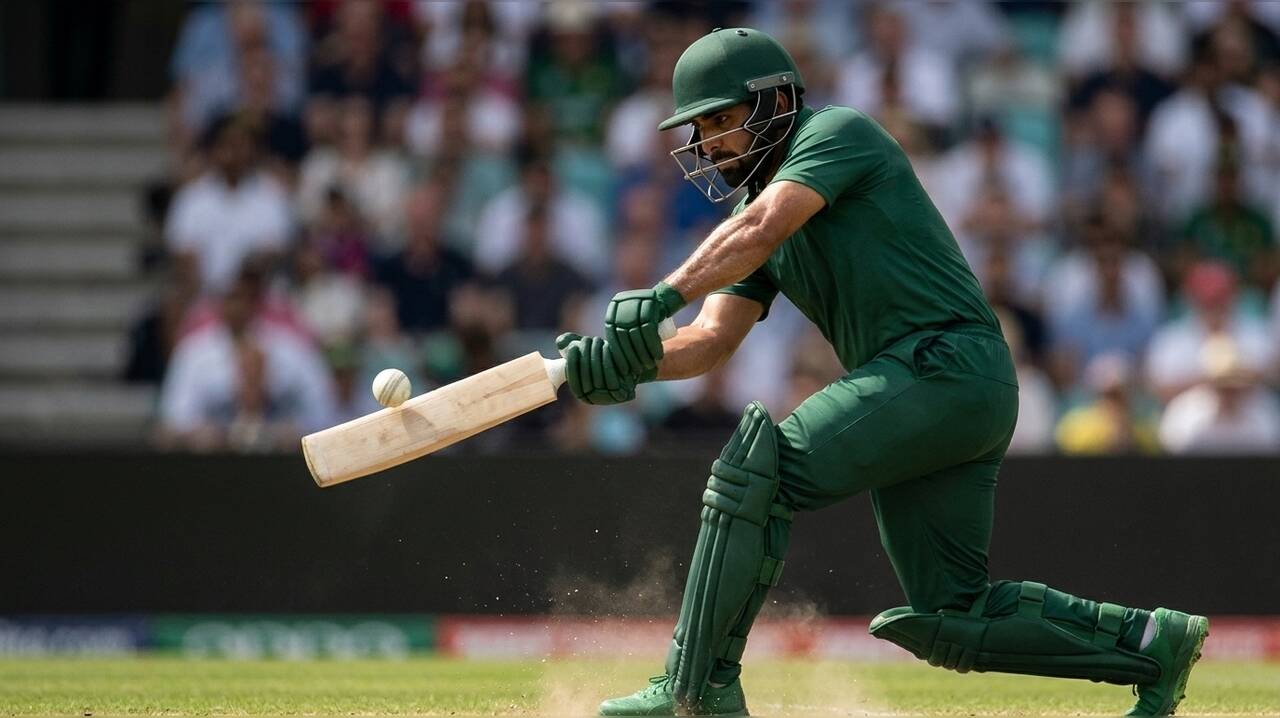
The Pakistan Cricket Board’s approach to team management has become synonymous with instability, as the national side continues to cycle through coaching regimes at an unrelenting pace. Over the past five years, the team has navigated a revolving door of leadership, with 11 different coaching appointments reflecting a pattern of reactionary decision-making following disappointing series or tournament results.
The most recent disruption occurred in August 2026, when the board dismissed Test head coach
A History of Structural Instability
The current climate of uncertainty traces back to September 2021, when Misbah-ul-Haq and bowling coach Waqar Younis resigned from their positions with a year remaining on their contracts. Their departure ended an all-format coaching structure that had been in place since 2019, triggering a succession of interim and permanent arrangements that have failed to provide long-term direction.
Following Misbah’s exit, Saqlain Mushtaq stepped in as interim coach before eventually taking the role permanently through the 2022-23 season. This was followed by a complex 2023 structure that saw Grant Bradburn appointed as head coach, working alongside team director Mickey Arthur. By the end of that year, the board shifted again, appointing Mohammad Hafeez as team director for the tour of Australia, further highlighting the constant flux in management titles and responsibilities.
Failed Experiments and Future Uncertainty
In April 2024, the PCB attempted to implement a specialist model by hiring Jason Gillespie for red-ball duties and Gary Kirsten for the white-ball side on two-year contracts. However, the plan collapsed within months. Kirsten resigned in October 2024, and Gillespie’s tenure concluded in December of the same year. The board subsequently turned to Aqib Javed for interim roles, before appointing Mike Hesson as the permanent white-ball head coach in May 2025.
The red-ball side experienced its own instability, with Azhar Mahmood serving as acting head coach for the 2025 home series against South Africa. Sarfaraz Ahmed was later appointed to the role ahead of the 2026 Bangladesh series, drawing on his experience with the Pakistan Shaheens and U19 setups. Despite this background, his tenure was cut short after just a few months, leading to the current appointment of Hesson as the primary figure across formats. As the team prepares for the third Test against England, the recurring cycle of management reshuffles remains a defining feature of the current era in Pakistan cricket.