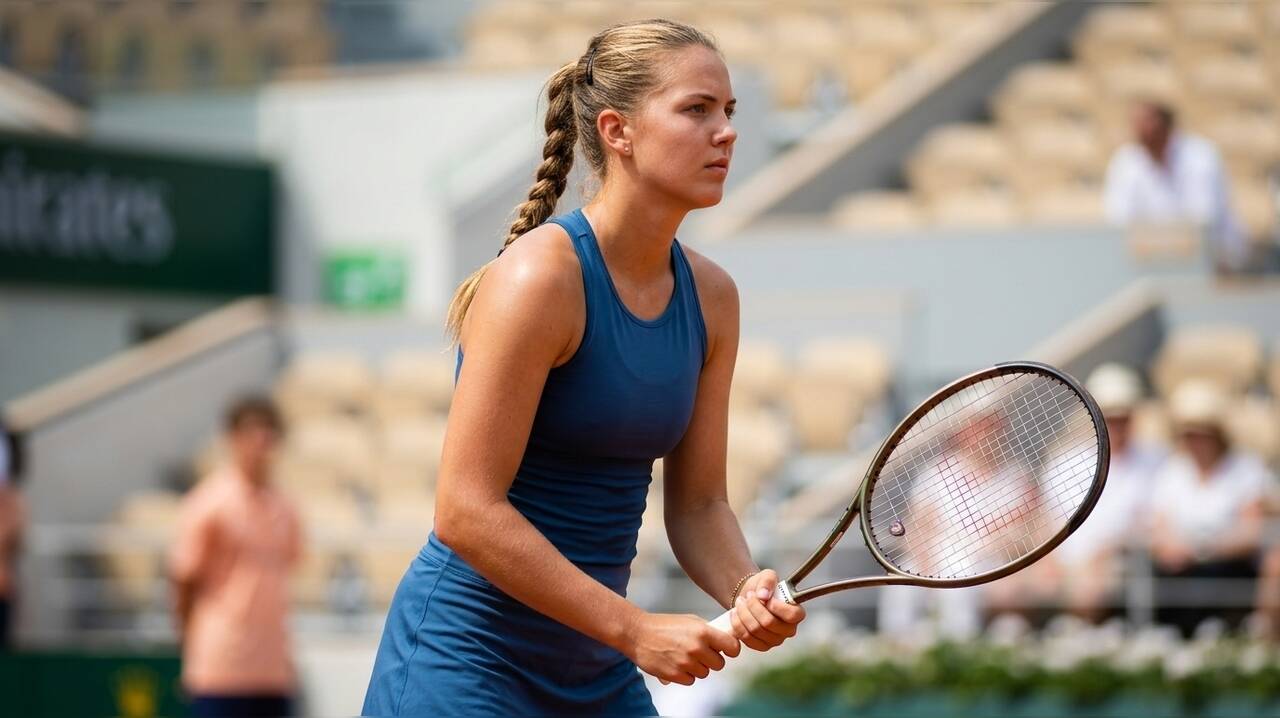
For the group of tennis players who fall in the final round of qualifying at the
The procedure is governed by a strict, time-sensitive protocol. Players must sign in daily at the referee’s office, with a firm deadline set 30 minutes before the first matches of the day. Once the sign-in window closes, the list is locked, and those who have registered must remain on the grounds, ready to compete at a moment's notice. For the top-ranked players on this list, the wait comes with perks—including practice court access and per diems—but it also demands the mental discipline of a player preparing for a match that may never happen.
The Anatomy of a Last-Minute Call-Up
The reality of the
The system was tested when tournament medical director Dr. Melissa Leber and referee Jake Garner confirmed that 2022 runner-up Casper Ruud would be unable to compete. The vacancy triggered an immediate chain reaction, with Arthur Gea being tapped to take the spot. Because Ruud’s match was not scheduled until Tuesday, Gea was granted a brief reprieve, but for the majority of hopefuls, the requirement to stay match-ready remained absolute. Players like 18-year-old Vendula Valdmannova, who was seeking her first major main draw appearance, described the experience as a daily exercise in patience and preparation, keeping her phone within reach at all times while maintaining a professional training routine.
A Path to the Main Draw
While the prospect of being a lucky loser is often viewed through the lens of disappointment, the financial and career implications are significant. A main draw appearance guarantees a $140,000 paycheck, a sum that can be transformative for players navigating the early stages of their professional careers. Beyond the money, the opportunity to compete on the sport's biggest stages provides invaluable experience. History has shown that these players can make deep runs; in the Open era, 12 men and seven women have advanced to the round of 16 at majors as lucky losers, with some even securing tour-level titles after falling in qualifying.
For Valdmannova, who has navigated this process at numerous tournaments without ever receiving the call, the US Open experience served as a masterclass in professional observation. Despite the uncertainty, she treated the week as a developmental opportunity, utilizing the tournament's resources and observing veteran competitors. Ultimately, while she did not secure a spot in the main draw this time, the experience reinforced her commitment to the sport, viewing the week as a productive step forward in her career as she looks toward future tournaments.