Former India wicketkeeper-batter
While India emerged victorious in the series, winning the opening match in Galle by 165 runs before securing a draw in the second Test in Colombo, the performance of the spin attack drew scrutiny. Dasgupta noted that the spinners struggled to maintain consistent pressure on the Sri Lankan batting lineup, particularly during the second Test, where a century from Sonal Dinusha allowed the hosts to recover after being forced to follow on.
Concerns over accuracy and bowling discipline
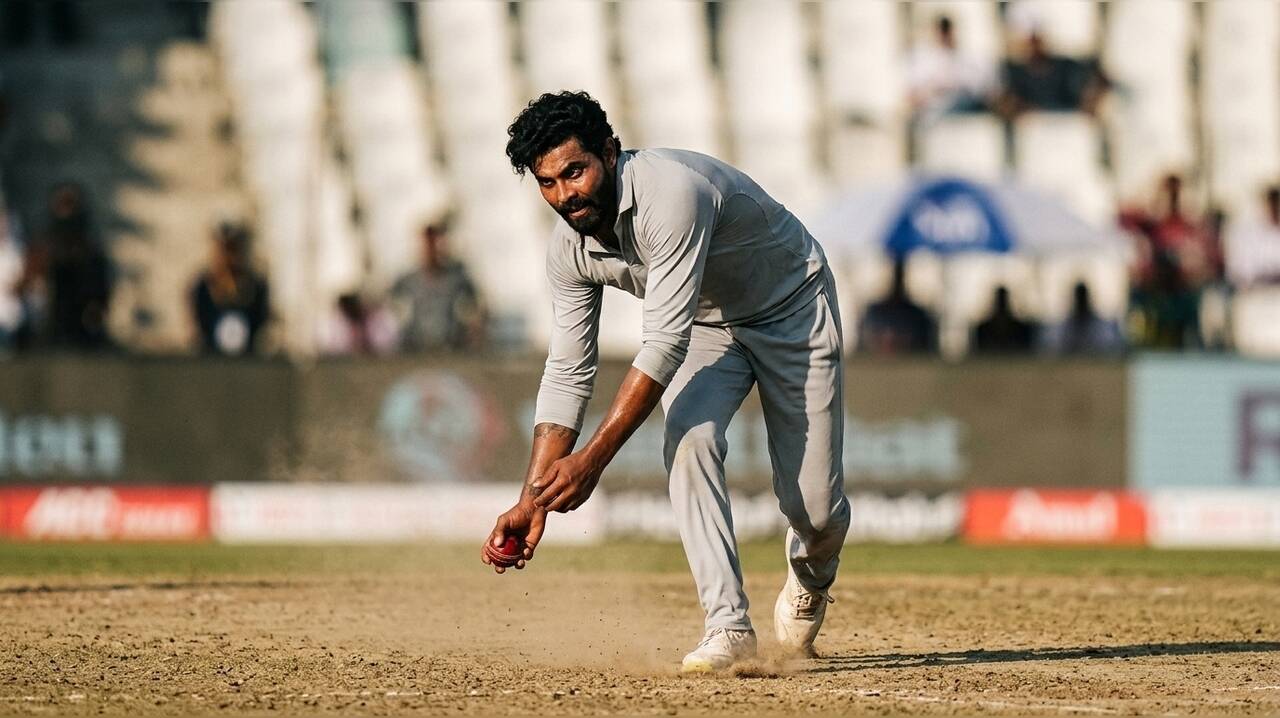
Reflecting on the series, Dasgupta expressed disappointment regarding the lack of penetration from India's experienced spin options. While acknowledging Jadeja's history as a destructive force on surfaces conducive to spin, the former player argued that the all-rounder’s recent output lacked the necessary accuracy. Dasgupta pointed to a reliance on shoulder-dominant bowling action as a potential factor in this decline, suggesting that the time has come for the team to consider other options.
Beyond the tactical effectiveness of the spin attack, Dasgupta highlighted a recurring issue with bowling discipline. During the Colombo Test, debutant Saransh Jain conceded four no-balls, while Jadeja was also guilty of overstepping. Dasgupta emphasized that such technical lapses are often a result of poor habits formed during training sessions. He noted that the issue of overstepping is not new for Jadeja and appears to have become more pronounced over time, urging the team to address these fundamental errors in the nets rather than allowing them to persist into match scenarios.
India’s Test squad now looks ahead to a busy schedule, with a tour of New Zealand slated for November. This will be followed by a significant five-match home series against Australia, which is scheduled to commence in January 2027. As the team prepares for these upcoming challenges, the debate regarding the composition of the spin attack and the role of senior players like Jadeja is likely to remain a point of discussion.