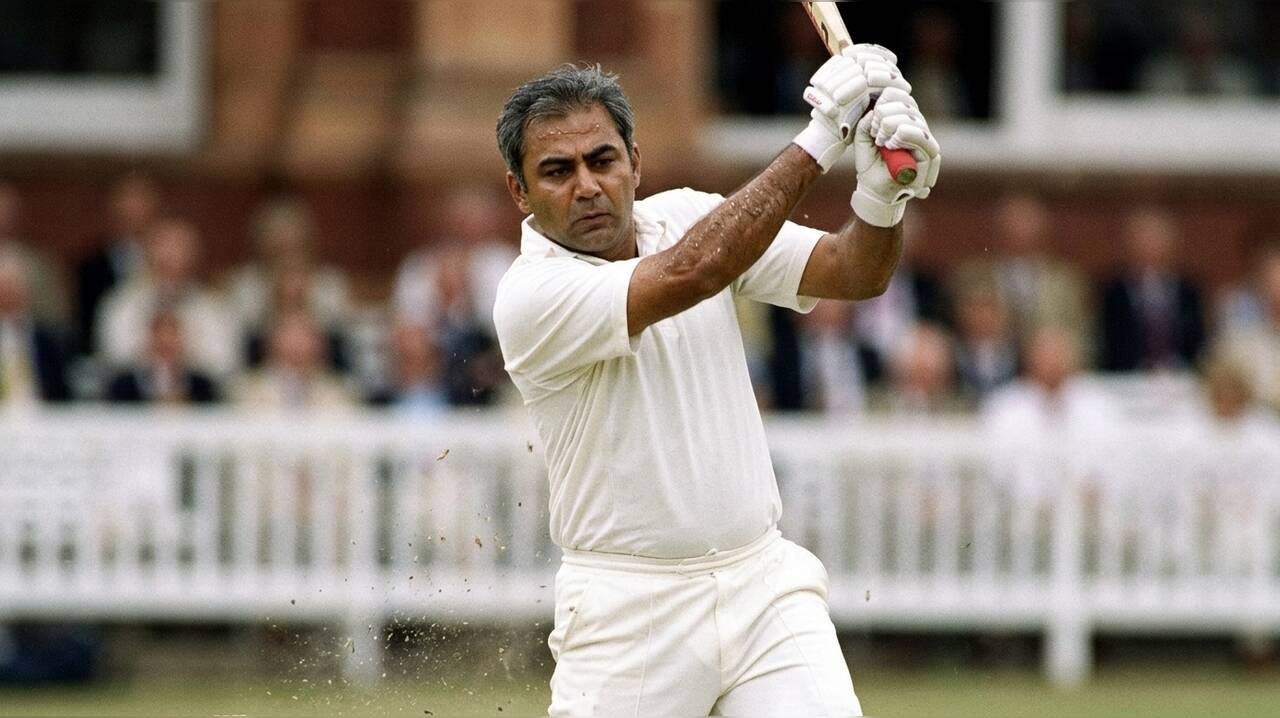
Former Pakistan Test batter
The restructuring saw seven players released from the squad, alongside the removal of red-ball head coach Sarfaraz Ahmed and bowling coach Umar Gul. In their place, white-ball head coach Mike Hesson and Ashley Noffke have been brought in to oversee the remainder of the tour. The squad departures included Mohammad Rizwan, Imam-ul-Haq, Salman Ali Agha, Ali Usman, Aamir Jamal, Muhammad Awais Zafar, and Khurram Shahzad.
Yousuf highlights recurring instability
Taking to social media to express his concerns, the former international, who amassed over 7,500 runs in 90 Test matches, argued that the decision-making process appeared disconnected from pure sporting performance. Yousuf suggested that the board's actions were symptomatic of a deeper, systemic issue that has plagued the national team for decades.
“The recent decision by the authorities to recall players and coaching staff from the ongoing tour does not appear to be only performance related,” Yousuf stated. He further questioned the quality of the replacements, noting that the board was not bringing in legendary figures such as Zaheer Abbas, Javed Miandad, Inzamam-ul-Haq, or Saeed Anwar to bolster the side. Instead, he characterized the move as a continuation of a familiar cycle involving internal disagreements and administrative chaos.
Concerns over long-term impact
Yousuf traced the roots of this turbulence back to the period following Pakistan’s 1992 World Cup victory, suggesting that such instability has repeatedly hindered the team's progress and eroded the confidence of supporters. He warned that the constant off-field turmoil serves as a distraction from the primary objective of playing competitive cricket.
The changes were prompted by a difficult start to the tour, which saw Pakistan suffer an innings-and-103-run defeat in the series opener at Headingley, followed by a 194-run loss in the second Test at Lord’s. Reflecting on the state of the game, Yousuf emphasized that the only way to resolve the ongoing issues is through consistent performance on the field rather than boardroom intervention. He concluded that the team must prioritize its sporting output to restore its credibility and regain the faith of its fan base, noting that success remains the most effective remedy for the current situation.