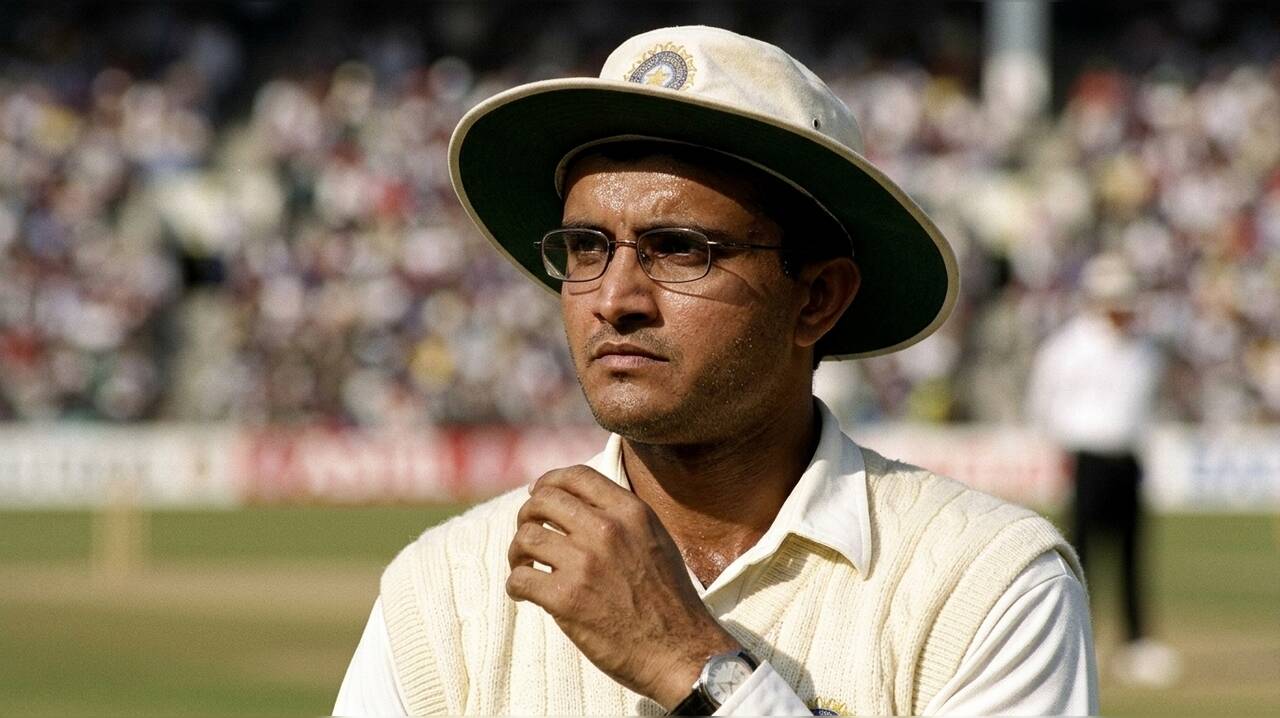
Former Indian wicketkeeper-batter
Reflecting on his time in the national setup, Dasgupta noted that the shift was most apparent in how the team responded to sledging. While previous iterations of the Indian side often internalized aggression or used it as quiet motivation, Ganguly’s influence encouraged a more outward and assertive response, ensuring that players stood their ground against opponents.
A Shift in Team Identity
Speaking on The Great Indian Cricket Show, Dasgupta explained that the captain’s personal demeanor, often associated with his nickname 'Maharaj', became a defining characteristic of the entire squad. He described this transformation as moving from a controlled, internal reaction to a more expressive and confrontational style of play. This change was particularly evident to Dasgupta when comparing his early experiences in Australia to the team’s performance during the 2003-04 tour.
Dasgupta emphasized that while the team continued to use external provocation as a source of motivation, they no longer felt the need to remain passive. Under Ganguly’s guidance, the players began to give as good as they got, reflecting a newfound belief that they were the equals of any team in world cricket. This cultural evolution became a hallmark of the Indian side throughout the early 2000s.
Ganguly’s Leadership Legacy
Sourav Ganguly’s captaincy remains one of the most significant chapters in Indian cricket history, marked by a series of high-profile successes both at home and abroad. Across his 196 matches in charge, he secured 97 victories, overseeing a period of growth that saw India become a formidable force in international conditions.
His tenure included landmark achievements such as the 2001 Border-Gavaskar Trophy win, a Test victory at Leeds in 2002, and a memorable win in Adelaide in 2003. Furthermore, Ganguly led the team to the 2003 World Cup final, the 2002 NatWest Trophy title, and a shared Champions Trophy victory with Sri Lanka. Through these results, Ganguly’s leadership provided the foundation for a more aggressive and resilient Indian team that was willing to challenge the established powers of the game.