The
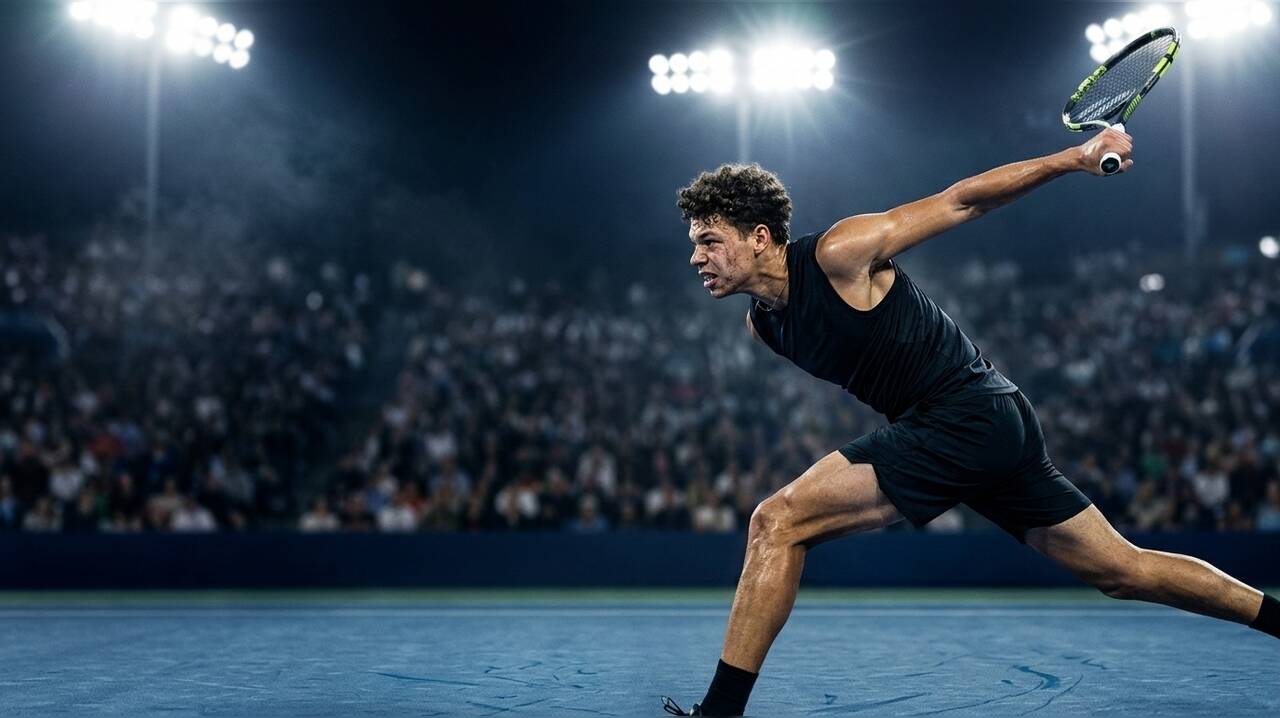
This record-breaking conclusion is not an isolated incident but rather the most extreme example of a growing trend at the Grand Slam. With four matches finishing after 2:00 am during the 2026 tournament, the reliance on high-profile night sessions has sparked a heated debate regarding player welfare, the fan experience, and the sustainability of the current format.
Calls for Structural Reform
Tennis legend
The current format often leads to a scheduling domino effect; if the opening match of the evening session extends into a long, five-set battle, the second match is inevitably pushed deep into the night. Navratilova argued that starting a match at midnight is counterproductive for all stakeholders involved, as it compromises the performance of the athletes and the quality of the experience for those in attendance.
Seeking a Middle Ground
While acknowledging that night sessions are a cornerstone of the US Open's commercial success and identity, former British professional Tim Henman has suggested the implementation of a safety net. Henman proposed that tournament officials should establish protected start times, with a contingency plan to move the second match of the evening to a different court if the first contest has not commenced by a specific hour, such as 9:30 pm or 10:00 pm.
Beyond logistical adjustments, the conversation has expanded to include more radical proposals, such as shortening men’s early-round matches from the traditional best-of-five sets to best-of-three. However, this suggestion has met with resistance from players like Frances Tiafoe, who argue that five-set matches are a vital component of tennis history. Despite the physical toll, Tiafoe maintained that these long-form contests remain an essential part of the sport’s identity, leaving tournament organisers to navigate a difficult balance between tradition, commercial demands, and the practical realities of modern professional tennis.