Since its inception in 2017, the
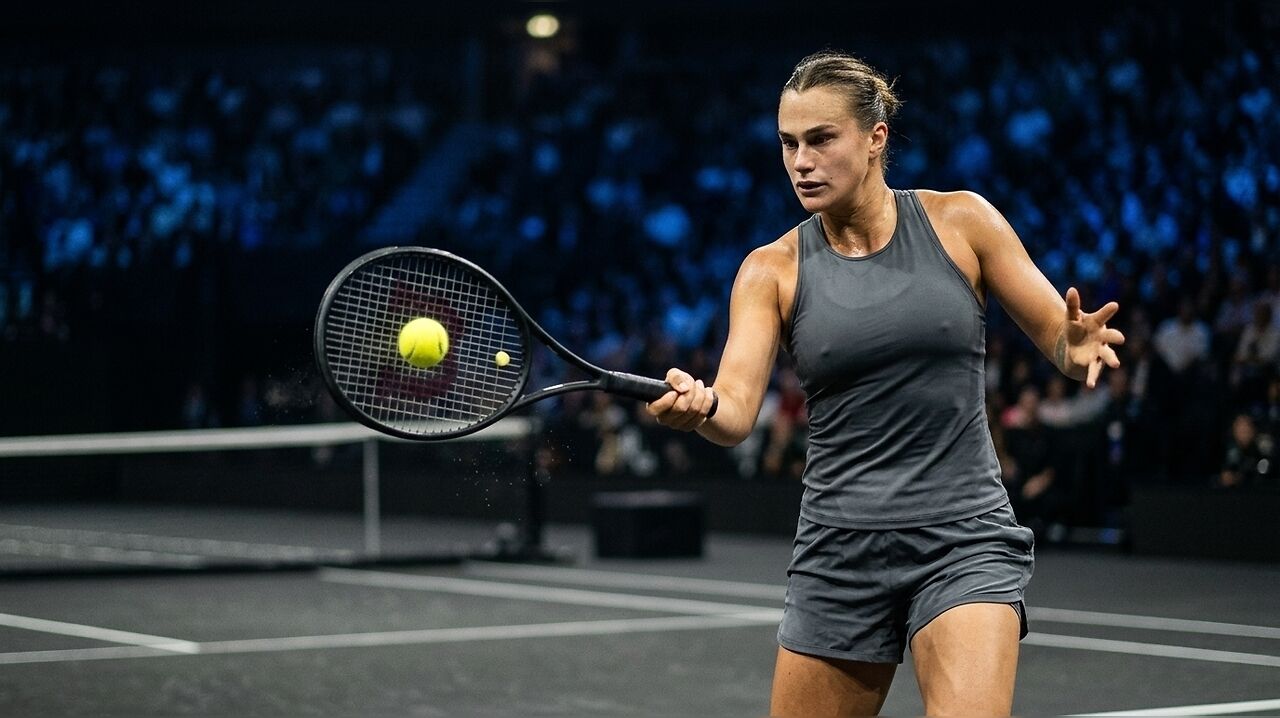
The tournament’s legitimacy was bolstered early on by the participation of tennis royalty, including Federer, Rafael Nadal, Novak Djokovic, and Andy Murray. These legends, who collectively secured 69 Major titles between 2003 and 2023, helped anchor the event’s prestige. With the transition to new leadership under captains like Yannick Noah and Andre Agassi, and the involvement of modern stars such as Carlos Alcaraz, the event continues to draw significant attention through its high-production, cinematic atmosphere and unique black-court aesthetic.
A Balance Between Exhibition and Competition
Despite its grandeur, the Laver Cup occupies a complex space between a high-stakes competition and an exhibition. While it features elite players and offers substantial financial incentives—including appearance fees and a $250,000 prize for each member of the winning team—it lacks the traditional pressures of the ATP Tour. The absence of ranking points and the use of a 10-point tie-breaker for the third set differentiate it from standard professional events, leading to ongoing debates about its sporting purity.
The format itself is meticulously crafted to maintain tension, with a points system that scales from one point on Friday to three on Sunday, ensuring the outcome remains undecided until the final day. Supporters argue that the event fosters genuine camaraderie, offering a rare glimpse into the personal relationships between rivals. Players like Alexander Bublik have noted the intensity of the competition, while others, such as Casper Ruud, have highlighted the unique opportunity to connect with peers in a more relaxed, team-oriented environment.
Navigating a Crowded Tennis Ecosystem
The Laver Cup’s long-term sustainability faces challenges in an increasingly fragmented tennis calendar. With the ATP, WTA, and various Grand Slam organizers all vying for space, the event must prove its endurance beyond the star power of its founders. While co-founder Tony Godsick maintains that the event is a commercial and fan-facing success, critics point to potential conflicts of interest, such as the historical overlap between Federer’s active playing career and his business role in the tournament.
As the sport shifts toward a new generation led by Alcaraz and Jannik Sinner, the Laver Cup’s ability to remain a premier attraction will depend on its capacity to evolve. Unlike the Ryder Cup, which relies on national pride and a lack of prize money to drive its prestige, the Laver Cup remains an engineered product. Whether this model can maintain its appeal without the presence of the sport’s greatest icons remains the central question for its future.