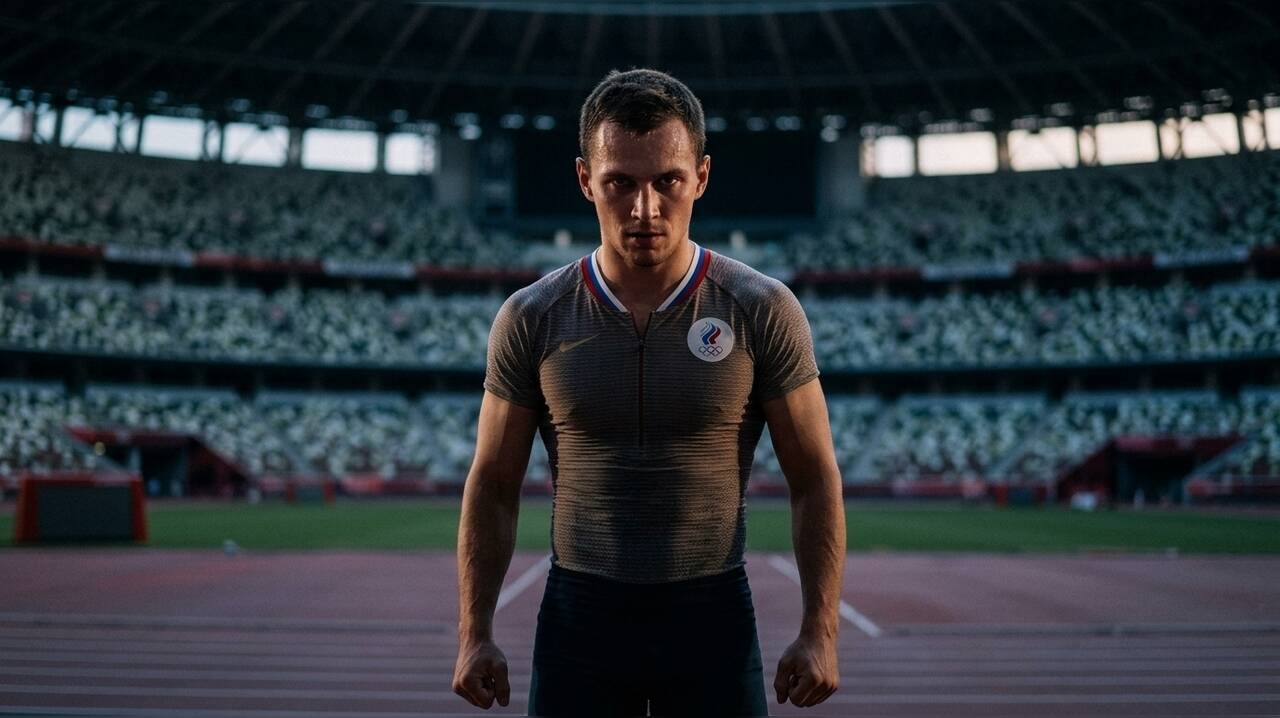
The International Olympic Committee (IOC) announced on Tuesday that it has provisionally lifted its ban on the
Background of the Ban
The IOC's decision to impose a ban on Russian and Belarusian athletes was a direct response to Russia's military actions in Ukraine, which began in February 2022. The committee aimed to uphold the integrity of international sports and express solidarity with Ukraine. This ban affected numerous athletes and officials, preventing them from competing in various global sporting events, including the Winter Olympics and other major competitions.
As the situation evolved, the IOC faced increasing pressure from various stakeholders, including national Olympic committees and athletes, to reconsider its position. The lifting of the ban is seen as a potential pathway for Russian athletes to return to the global sports arena, although the IOC has emphasized that this is a provisional measure and subject to further evaluation.
Implications for Future Competitions
The provisional lifting of the ban opens the door for Russian athletes to compete in international events, which could have significant implications for the sporting landscape. The IOC has stated that it will continue to monitor the geopolitical situation closely and will make decisions based on the evolving circumstances. This development has sparked a mixed reaction among athletes and sports officials worldwide, with some welcoming the opportunity for competition while others express concerns about fairness and the ongoing conflict.
As the Los Angeles 2028 Olympics approach, the IOC's decision will likely influence discussions around athlete participation and the broader implications for international sports governance. The committee's next steps will be crucial in determining how this situation unfolds in the coming years.