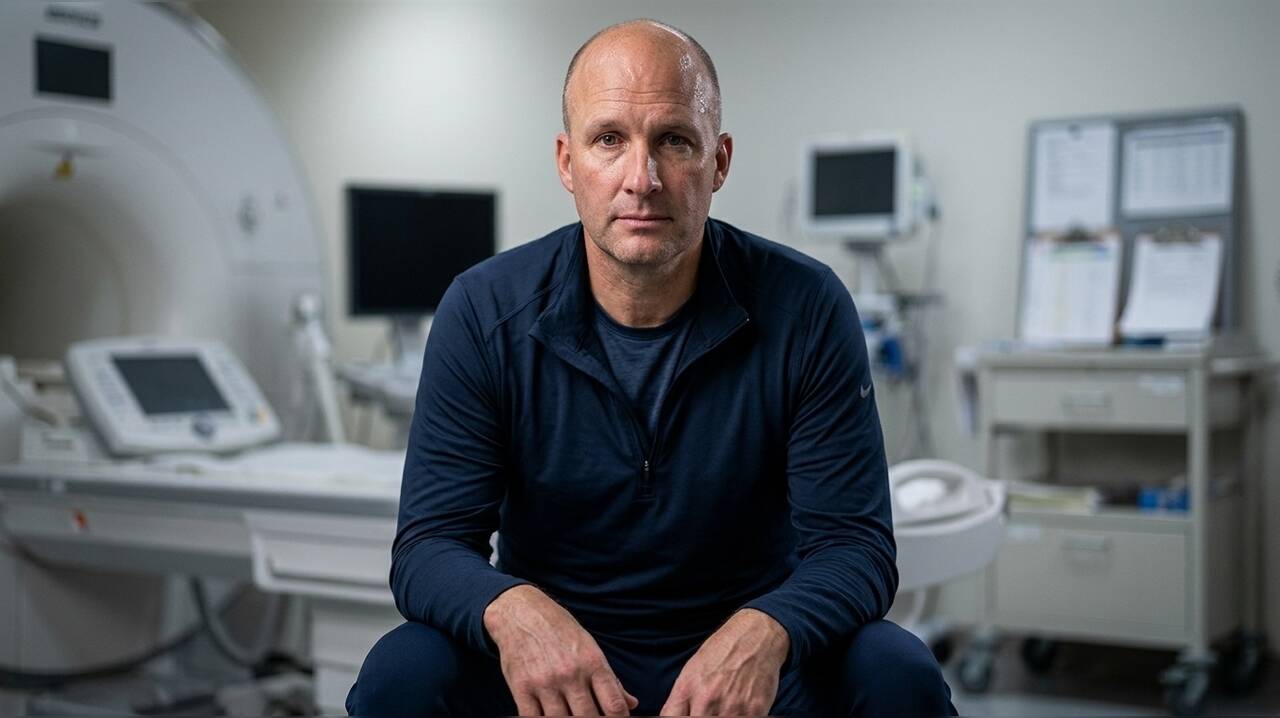
Hasselbeck, who played college football at Boston College before embarking on his professional journey, expressed concern for his former teammates who may not have fared as well. "They need guys like me. They need people who are feeling good to step up to the plate and volunteer," he stated, emphasizing his desire to support those who faced greater risks on the field. CTE has been diagnosed in over 100 former
Research Aims to Diagnose CTE in Living Patients
The research at Boston University, led by Michael Alosco, co-director of clinical research at the CTE Center, aims to develop methods for diagnosing CTE while individuals are still alive. Currently, CTE can only be confirmed posthumously, complicating treatment and understanding of the disease. Alosco noted the similarities between CTE and Alzheimer's disease, both of which are degenerative brain conditions, but highlighted the need for distinct diagnostic markers to differentiate between the two.
Hasselbeck underwent various assessments, including cognitive tests and brain scans, which he described as both enlightening and humbling. He acknowledged the anxiety that can accompany such evaluations, even for someone who feels healthy. "I've got a healthy respect for people who are dealing with serious brain trauma," he remarked, underscoring the importance of this research for future players.
Community Involvement and Future Prospects
In addition to Hasselbeck, the study has attracted participants from various backgrounds, including Bryan Savage, a former Division III linebacker. Savage, who has experienced mental health challenges, expressed gratitude for the opportunity to contribute to the research and has encouraged his peers to participate as well. "You wonder if it's just getting older or if it's related to any brain trauma I might have had playing football," he said, reflecting on the shared concerns among former athletes.
The National Institutes of Health is backing this vital research with a $15 million grant, aiming to enhance understanding and treatment of CTE. Alosco remains optimistic about the potential for breakthroughs in diagnosing the condition, which could lead to effective treatment options. "Once we can accurately diagnose, that's when we can start some treatment trials," he concluded, highlighting the critical role of volunteers like Hasselbeck and Savage in advancing this important field of study.