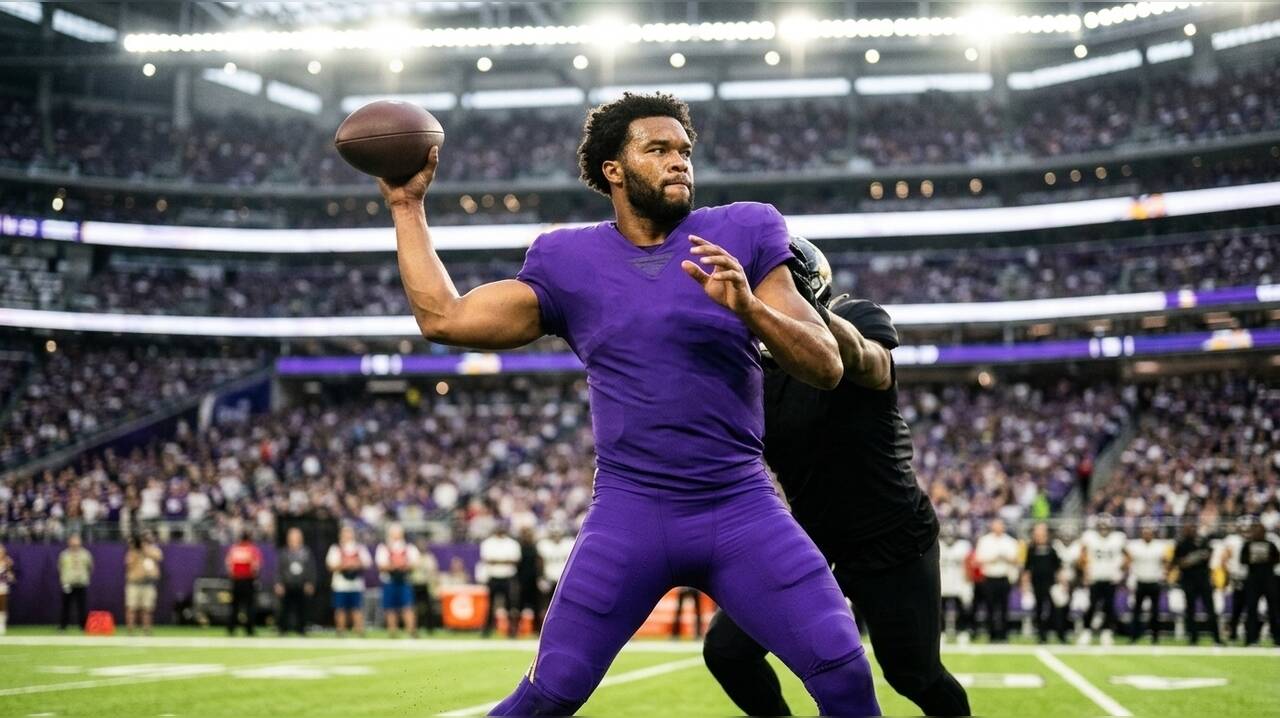
Despite the constant rotation, the Vikings have frequently managed to field high-performing offenses. From 1993 to 2025, the team ranks sixth in the league for passer rating, with several veterans—including Randall Cunningham, Brett Favre, and Sam Darnold—producing career-best seasons after joining the organization. This trend has led some, like Hall of Fame receiver Cris Carter, to describe a unique environment in Minnesota where quarterbacks often find unexpected success when surrounded by the team's consistent talent at the wide receiver position.
A Legacy of Turnover and High Expectations
The quest for a long-term franchise quarterback has been a defining struggle for Minnesota since the departure of Fran Tarkenton. While the team has attempted to secure stability through the draft, selecting four quarterbacks in the first round since 1993, those efforts have been repeatedly hampered by injuries or inconsistent performance. Daunte Culpepper, Teddy Bridgewater, and J.J. McCarthy all saw their developmental paths disrupted by health issues, while Christian Ponder struggled to secure the starting role long-term. The team has also frequently turned to veteran acquisitions, ranging from future Hall of Famers like Warren Moon and Brett Favre to short-term solutions like Case Keenum and Sam Bradford.
Former team executive Jeff Diamond noted that the organization has long prioritized quarterback depth, a philosophy rooted in the belief that the backup signal-caller is the second most important player on the roster. This approach has allowed the Vikings to remain competitive, with backup-led squads reaching the NFC Championship Game on multiple occasions. However, the lack of a singular, long-term successor has remained a persistent narrative, with Kirk Cousins’ six-year tenure standing as the longest for a Vikings quarterback since the 1980s.
The Road Ahead for Murray
As Murray begins his tenure, he faces the same scrutiny that has followed his predecessors. While he brings significant physical talent to the team’s offensive-minded scheme, observers like former coach Mike Childress point to the challenges of his stature and the necessity of adapting to the Vikings' specific offensive environment. Murray, who grew up a fan of the team, expressed a desire to make his time in Minnesota a season to remember, though his contract structure—which prevents the use of the franchise tag—suggests that his future remains as uncertain as the team's historical approach to the position.
For the Vikings, the cycle of searching for the next franchise cornerstone continues. With the team having missed out on long-term stability despite various draft strategies and veteran signings, the current situation remains a familiar one. As the organization looks toward the future, the focus remains on whether this latest iteration of their quarterback experiment can finally break the pattern that has defined the franchise for over three decades.