Evaluating NFL trades requires a delicate balance of immediate impact and long-term roster construction. Twelve months removed from the 2025 trade deadline, the landscape of the league has shifted significantly, providing a clearer picture of which front offices successfully navigated the market and which gambles failed to pay dividends. By examining player performance, draft capital, and contract implications, we can now assign definitive grades to the most impactful moves of that cycle.
The most scrutinized deal remains the Indianapolis Colts' acquisition of cornerback Sauce Gardner. While the move was intended to push a contending team over the top, the result was a catastrophic miscalculation. Following a season-ending injury to quarterback Daniel Jones and Gardner’s own health struggles, the Colts plummeted out of playoff contention. With the team now entering a rebuild, the loss of multiple first-round picks—which the New York Jets utilized to secure a talented young core—renders the trade an F for Indianapolis, while the Jets emerge as the clear winners of the deadline.
Assessing the Blockbusters and Strategic Swaps
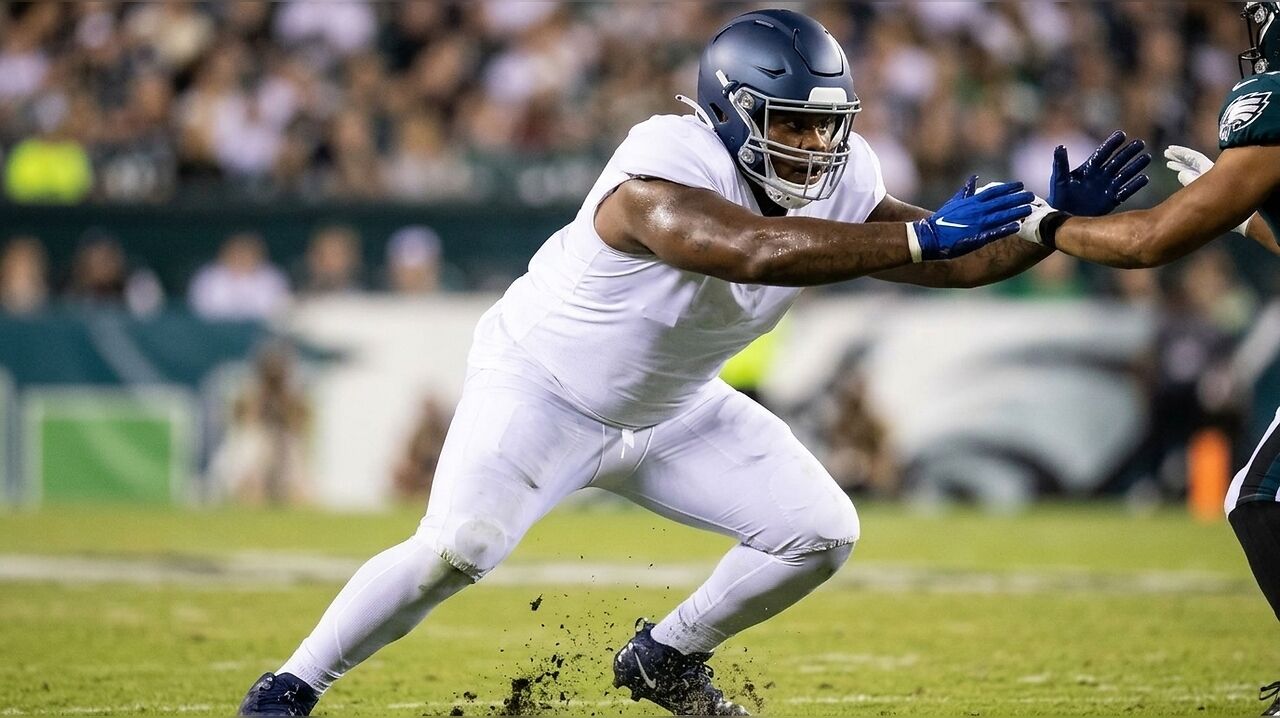
The Dallas Cowboys' pursuit of defensive tackle Quinnen Williams serves as a cautionary tale in aggressive roster management. Despite Williams delivering elite production in run-stop and pass-rush win rates, the Cowboys failed to secure a postseason berth. By trading away future first-round capital while sitting outside the playoff picture, Dallas severely hampered its own flexibility. Conversely, the Jets capitalized on the deal, using the assets to accelerate their rebuild, cementing their status as the most successful operators of the 2025 deadline.
Other trades yielded more balanced outcomes. The Jacksonville Jaguars' acquisition of wide receiver Jakobi Meyers proved effective, as the veteran provided reliable production during the team's late-season playoff push. Similarly, the swap between the Chargers and Ravens involving edge rusher Odafe Oweh and safety Alohi Gilman benefited both sides. Oweh’s pass-rushing impact was vital for Los Angeles, while Gilman’s versatility helped stabilize the Baltimore secondary. The Chargers ultimately hold the edge in this exchange, largely due to the favorable contract trajectory of their acquisition.
Performance and Long-Term Value
The Philadelphia Eagles' rental of Jaelan Phillips remains a high-water mark for efficient deadline activity. By securing a high-end pass rusher for a mid-round pick and anticipating a compensatory selection upon his departure, the Eagles maximized their return on investment. Meanwhile, the Seattle Seahawks' acquisition of Rashid Shaheed proved to be a championship-caliber move. Although his receiving numbers were modest, his explosive contributions as a return specialist were instrumental in the team’s Super Bowl run, justifying the cost despite his later struggles to expand his offensive role.
Finally, the cornerback swap between the Browns and Jaguars highlights the importance of long-term contract planning. Cleveland’s decision to trade for Tyson Campbell and secure him on a multi-year deal has provided stability, whereas the Jaguars have struggled to replace the production of Greg Newsome II. As teams prepare for the next deadline, these results underscore that the most successful trades are those that align immediate needs with sustainable financial and draft-based planning.