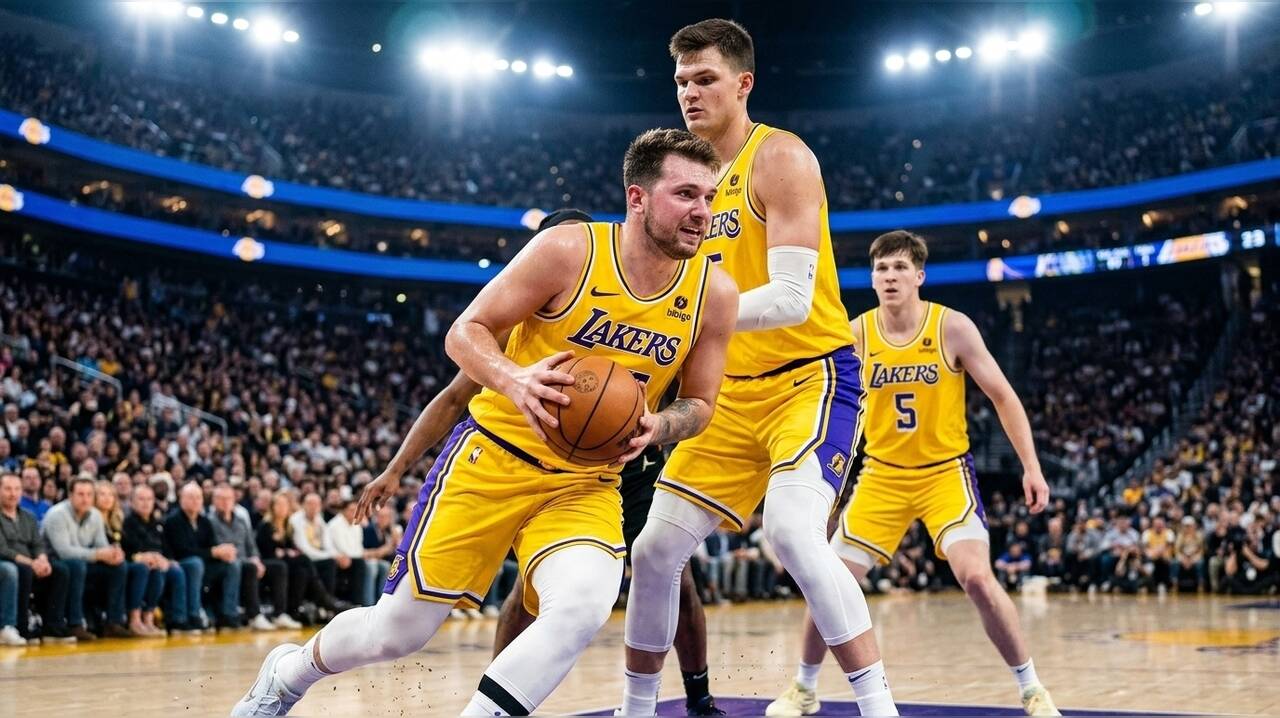
The Los Angeles Lakers have entered a new chapter following a significant offseason marked by a roster overhaul and a change in ownership. With the departure of LeBron James, who announced he would not return for the upcoming season on June 30, the franchise has made bold moves to reshape its lineup. This marks the second sale of the team in just ten months, with venture capitalist Josh Kushner and former Disney CEO Bob Iger acquiring the Lakers for a staggering $12.5 billion from Mark Walter.
Major Roster Changes
In a bid to revitalize their chances for a championship run, the Lakers have welcomed several new players, including center
Reaves, coming off a breakout season where he averaged 23.3 points, 4.7 rebounds, and 5.5 assists per game, signed a lucrative four-year, $180 million extension, solidifying his role in the team's future. However, the Lakers faced significant losses, including James, Deandre Ayton, Marcus Smart, Rui Hachimura, Luke Kennard, and Jaxson Hayes, leaving them with a dramatically different roster heading into the new season.
Future Prospects and Challenges
As the Lakers prepare for the 2026-27 season, questions loom about their ability to compete in a highly competitive Western Conference. The team has been evaluated as having one of the weakest forward groups in the league, and there are concerns regarding depth at the center position. Despite the influx of new talent, the challenge remains to replace the production lost with James's exit, especially given the team's limited draft assets after the Kessler trade.
General Manager Rob Pelinka's strategy appears focused on building a functional roster around Doncic, who led the league in scoring last season. The Lakers' offseason moves have been met with mixed reviews, with some analysts questioning whether the changes will yield a stronger team or merely maintain the status quo. As the new season approaches, all eyes will be on Doncic to see if he can lead this revamped squad back to championship contention.