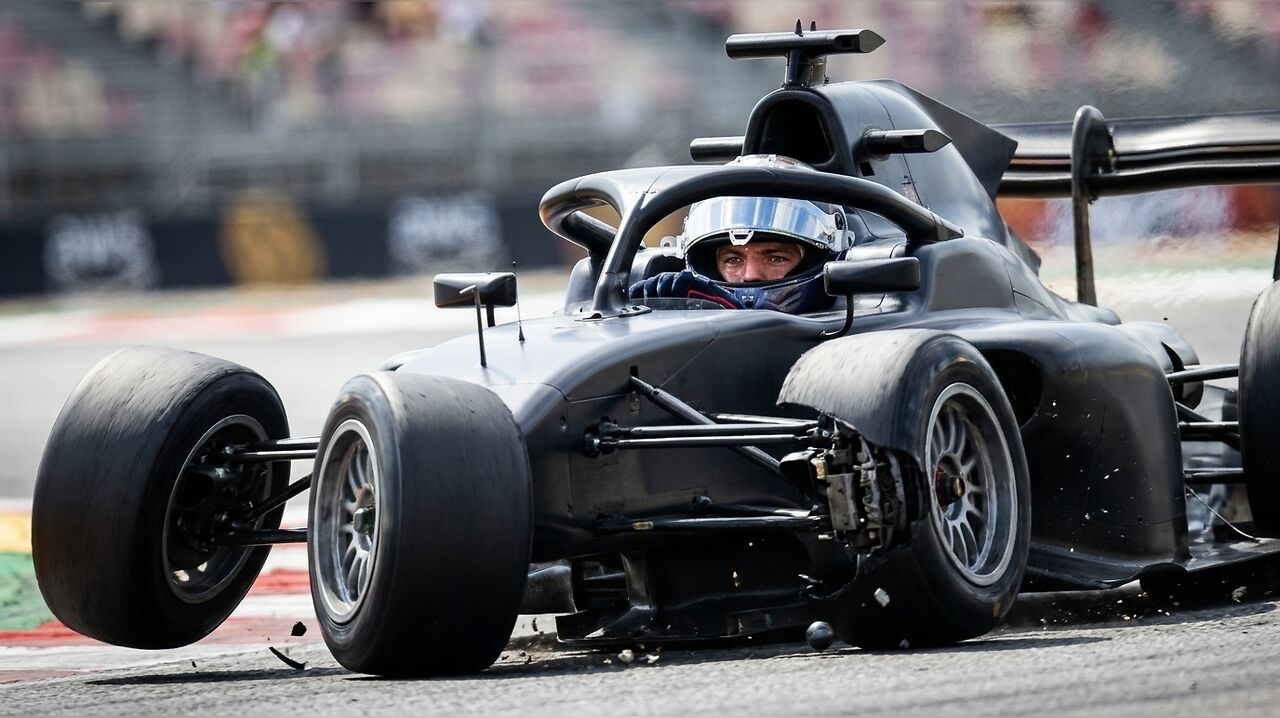
The 2026 Formula 1 season has evolved into a compelling narrative of recovery and technical refinement, with
Early indicators suggested that Mercedes had successfully stolen a march on the rest of the field, positioning themselves as the clear favorites for both the Drivers' and Constructors' championships. Although Ferrari initially emerged as the primary challenger to the Silver Arrows, the Italian outfit struggled to sustain a consistent threat, leaving the door open for other teams to refine their packages and mount a more sustained assault as the season progressed.
Verstappen's Role in Technical Evolution
At the heart of Red Bull’s resurgence is the unique technical sensitivity of their lead driver. Verstappen’s ability to provide granular, actionable feedback has become the cornerstone of the team's engineering efforts. Rather than relying solely on simulation data, the team is leaning heavily on the Dutchman’s capacity to identify specific handling characteristics and performance limitations that require immediate attention.
This collaborative process between driver and factory is essential as Red Bull navigates the complexities of the 2026 technical regulations. By translating on-track sensations into precise development directives, Verstappen is effectively shaping the evolution of the car. This technical partnership is viewed as the primary catalyst for the team’s ongoing efforts to claw back the performance deficit that characterized the opening rounds of the championship.
As the season moves into its critical phases, the focus remains on whether this development cycle can yield the gains necessary to disrupt the established order. With Mercedes maintaining a strong foundation, the pressure on Red Bull to optimize every upgrade package remains immense. The team’s ability to turn Verstappen’s technical insights into tangible lap-time improvements will ultimately determine whether they can transform their current recovery effort into a genuine title bid before the final chequered flag of the year.