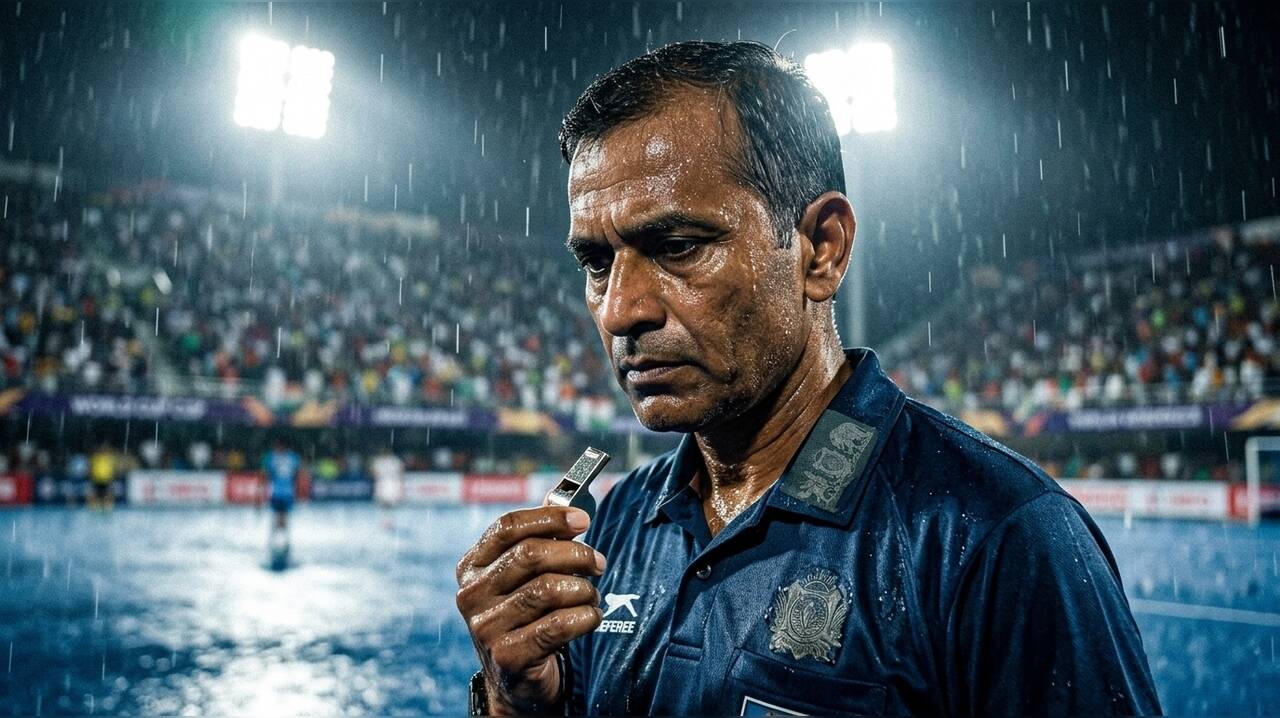
The upcoming FIH Men's
Historical Context and Current Landscape
Since the 1998 World Cup in Utrecht, India has consistently contributed to the officiating panel, but this year, European nations dominate the selection. Historically, India has produced only four men's World Cup umpires in the modern era: Amarjit Singh Bawa (1990), Tarlok Singh Bhullar (1994), Satinder Sharma (2002, 2006, 2010), and R.V. Raghu Prasad (2010, 2014, 2018, and 2023). Raghu Prasad, who retired last year after officiating in over 200 international matches, noted that selections for prestigious events hinge on consistent performance in high-stakes competitions. "The FIH Umpiring Committee evaluates officials based on their track record in previous World Cups, the Olympics, and other international tournaments," he explained.
Satinder Sharma echoed these sentiments, expressing disappointment over India's absence from the World Cup officiating panel. He reflected on the challenges faced by
The Need for Greater Exposure and Support
Sharma emphasized the necessity for Indian umpires to gain more exposure to
Bawa, who officiated at the 1990 Lahore World Cup and the 1988 Seoul Olympics, reminisced about the lack of recognition for umpires during his career. "In my early days, we received a meager daily allowance, and umpires were not regarded as vital to the sport," he recalled. The trio of veterans concurred that inadequate financial security remains a significant barrier for aspiring umpires. "Most Indian umpires today are either unemployed or only officiate in domestic competitions," Sharma noted. Raghu, who transitioned to a private job post-retirement, lamented the lack of financial stability in the profession. "The disparity in recognition and rewards between players and umpires is stark, making it difficult to encourage the next generation to pursue umpiring," he concluded.