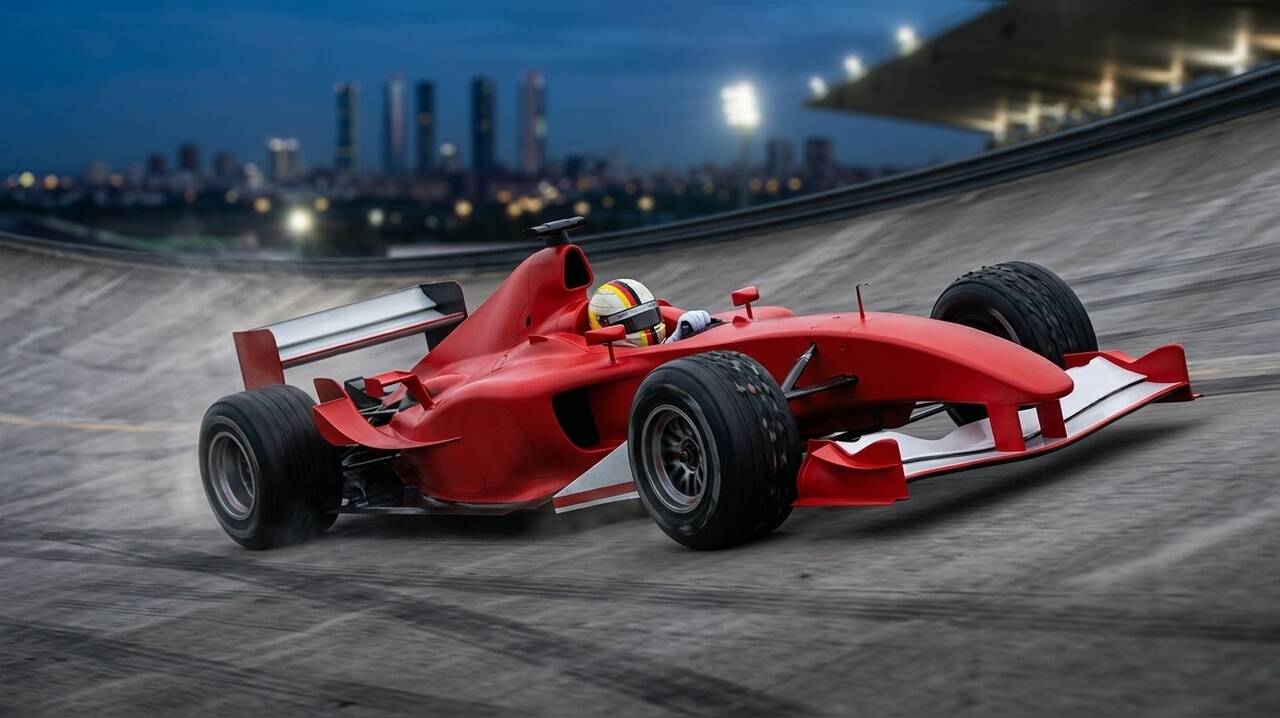
The move to Madrid introduces a completely new venue to the grid, the
A New Technical Challenge for the Grid
The design of the MADRING circuit is expected to place a premium on rapid adaptation during the practice sessions. Because the teams have no prior performance metrics for this specific track, the ability to find a competitive setup quickly will be a decisive factor in the weekend's outcome. The technical nature of the layout, combined with its high-speed sections, creates a unique puzzle that could potentially disrupt the established championship order as the season enters its most critical phase.
Central to the circuit's identity is a feature known as La Monumental. This specific section, located at Turn 12, incorporates a 24% banking over a 500-metre stretch. This extreme geometry is designed to provide a high-speed challenge that stands out from the standard configurations found elsewhere on the calendar, offering a potential focal point for both overtaking opportunities and dramatic visual sequences.
City-Wide Integration and Championship Stakes
Beyond the technical demands of the track, the event is positioned to integrate the city of Madrid into the broader race weekend experience. The Riyadh Air Metropolitano is set to serve as a hub for fan engagement and entertainment, aiming to blend the high-octane nature of the sport with the cultural energy of the capital. This approach reflects a broader effort to turn the Grand Prix into a city-wide celebration.
As the 14th race of the 2026 season, the Madrid event arrives at a pivotal moment in the championship battle. With every point carrying increased weight, the unpredictability of a new circuit adds an extra layer of tension to the proceedings. The Formula 1 TAG Heuer Gran Premio de Espana 2026 is scheduled to be broadcast live from September 11-13, offering fans their first look at how the world's elite drivers navigate the challenges of the new Madrid venue.