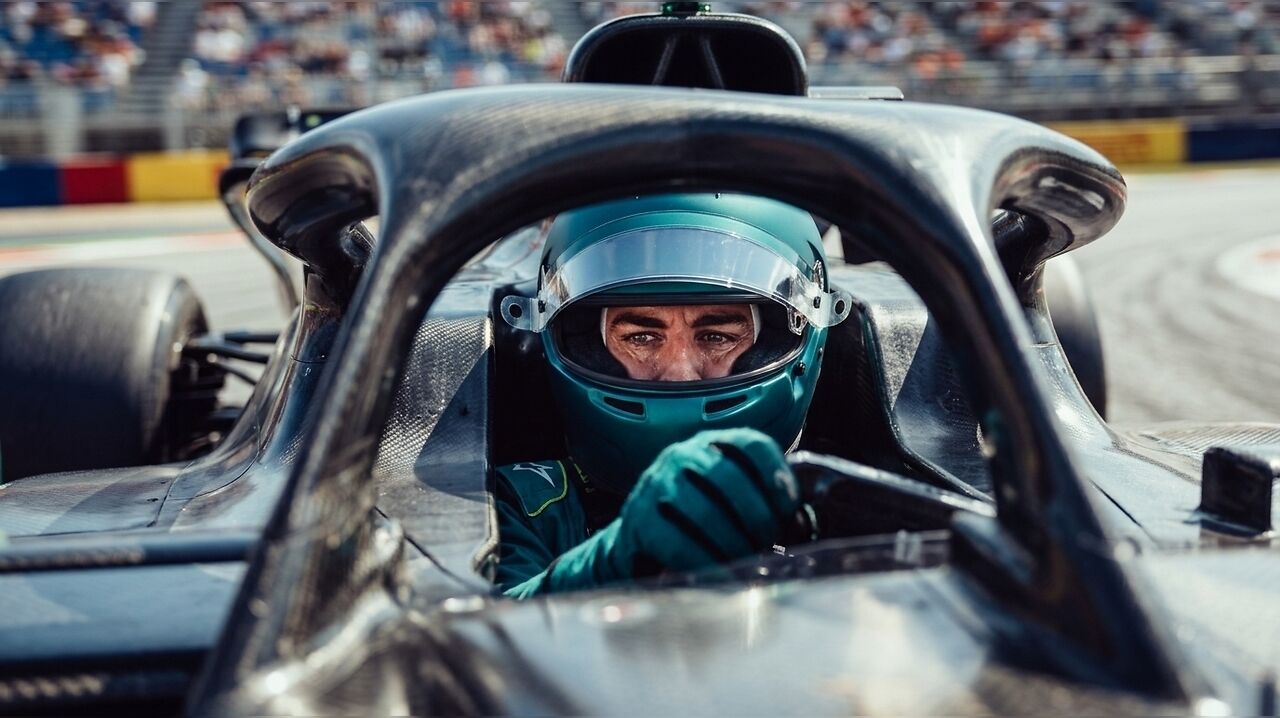
The decision brings an end to speculation regarding the 45-year-old’s immediate future in the sport. While Alonso had previously hinted at the possibility of transitioning to the World Endurance Championship, he ultimately opted to continue his career in Formula 1, citing his enduring passion for racing and confidence in his ability to perform at the highest level.
Commitment to the Aston Martin Project
Reflecting on his decision, Alonso emphasized that the choice required careful consideration. He noted that his dedication to the sport remains as strong as ever, stating that he still possesses the necessary speed and determination to compete against the world's best drivers. His commitment to Aston Martin is rooted in his belief in the team’s ongoing development, leadership, and infrastructure.
Alonso expressed his enthusiasm for the future, highlighting the support of the team's partners and the passionate fanbase that continues to inspire his performances. Despite the team facing challenges under recent technical regulations, the two-time world champion maintained that he trusts the direction in which the organization is heading.
Navigating Regulatory Changes and Performance
The announcement comes amidst broader discussions within the paddock regarding the future of Formula 1 regulations. Alonso has been vocal about the impact of current car designs, particularly concerns regarding the reliance on electrical power and the resulting compromises drivers face on the track. These sentiments align with recent adjustments announced by Formula 1, which confirmed plans to shift toward increased engine power and reduced reliance on hybrid systems starting next year.
On the track, the current season has proven difficult for the veteran driver. Through the first 15 races, Alonso has secured three points, with a ninth-place finish at the Dutch Grand Prix in August standing as his best result of the year. Despite these current struggles, the extension signals a long-term partnership aimed at navigating the team's development through the upcoming regulatory cycles.