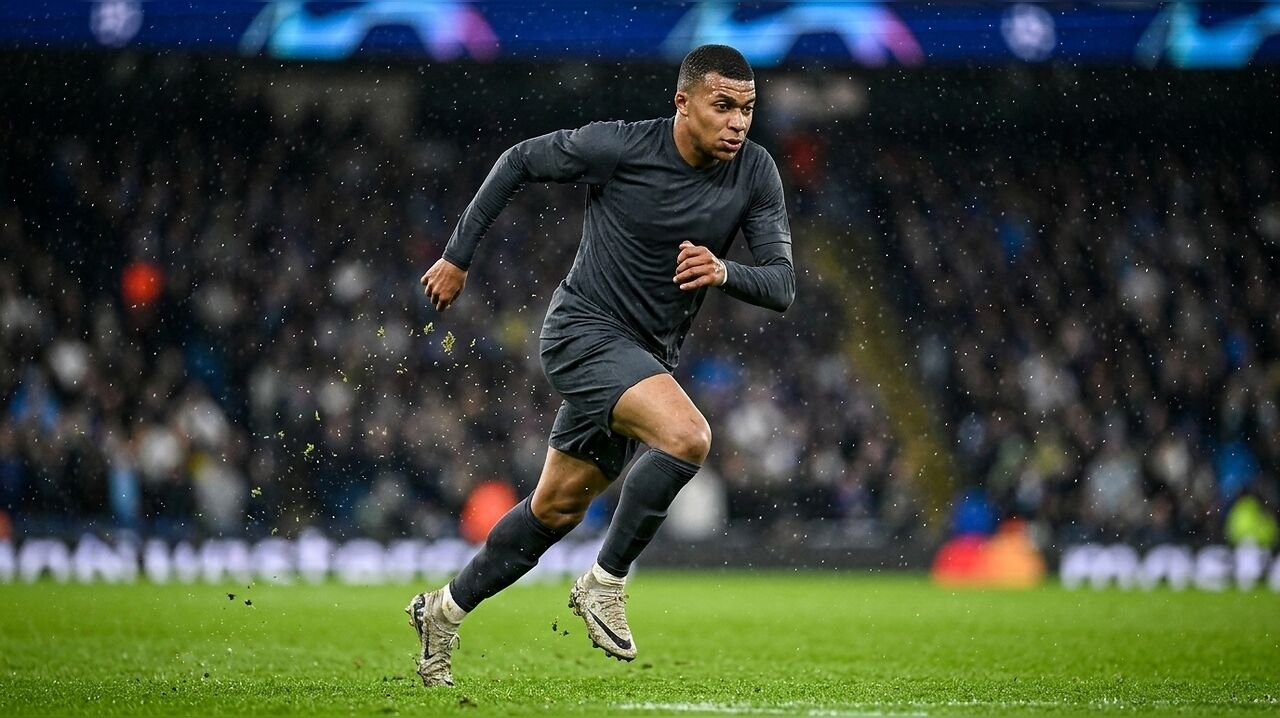
With the 2026 Ballon d'Or race gaining momentum, public discourse has intensified regarding the specific standards used to determine the recipient of football's most prestigious individual honour. As high-profile contenders like Lamine Yamal, Kylian Mbappe, Harry Kane, Ousmane Dembele, Rodri, and Lionel Messi emerge as potential winners, clarity on the selection process remains essential for fans and observers alike.
The award, presented annually by the French publication France Football, relies on a structured voting system designed to identify the standout performer of the year. While players often advocate for their own cases based on differing metrics—such as trophy hauls or goal-scoring records—the final decision rests with a select group of international media representatives operating under a rigorous set of guidelines.
The Voting Mechanism and Selection Process
The journey to the Ballon d'Or begins with a 30-player shortlist, curated by France Football in collaboration with L'Equipe and various UEFA ambassadors. Once this list is established, the power shifts to a panel of journalists representing the top 100 nations in the FIFA world rankings. Each participating country is permitted only one representative, ensuring a global perspective on the year's top talent.
These journalists are tasked with ranking their top ten players from the shortlist in descending order of merit. The scoring system is weighted to reward top-tier selections: the player ranked first receives 15 points, while the second through fifth spots earn 12, 10, 8, and 7 points respectively. The remaining positions in the top ten are awarded points in descending order down to one. Once all votes are cast, the points are aggregated to determine the winner. In the event of a points tie, the player who received the highest number of first-place votes is declared the winner.
Defining the Criteria for Success
Voters are instructed to evaluate candidates based on three primary pillars. The first is individual performance, which encompasses personal statistics, the ability to be decisive during critical match moments, and the player's overall influence on the pitch. The second pillar focuses on team achievements, weighing the collective success of both club and national teams, including the number of trophies won and the individual's specific contribution to those successes.
The final criterion involves class and fair play. This factor considers a player's sportsmanship, on-field conduct, and general ethical standards. This element serves as a tie-breaker when two candidates are otherwise evenly matched across the primary performance and achievement categories. It is important to note that while the process is highly structured, France Football does not publicly disclose the final individual voting tallies, maintaining the confidentiality of the panel's specific choices.