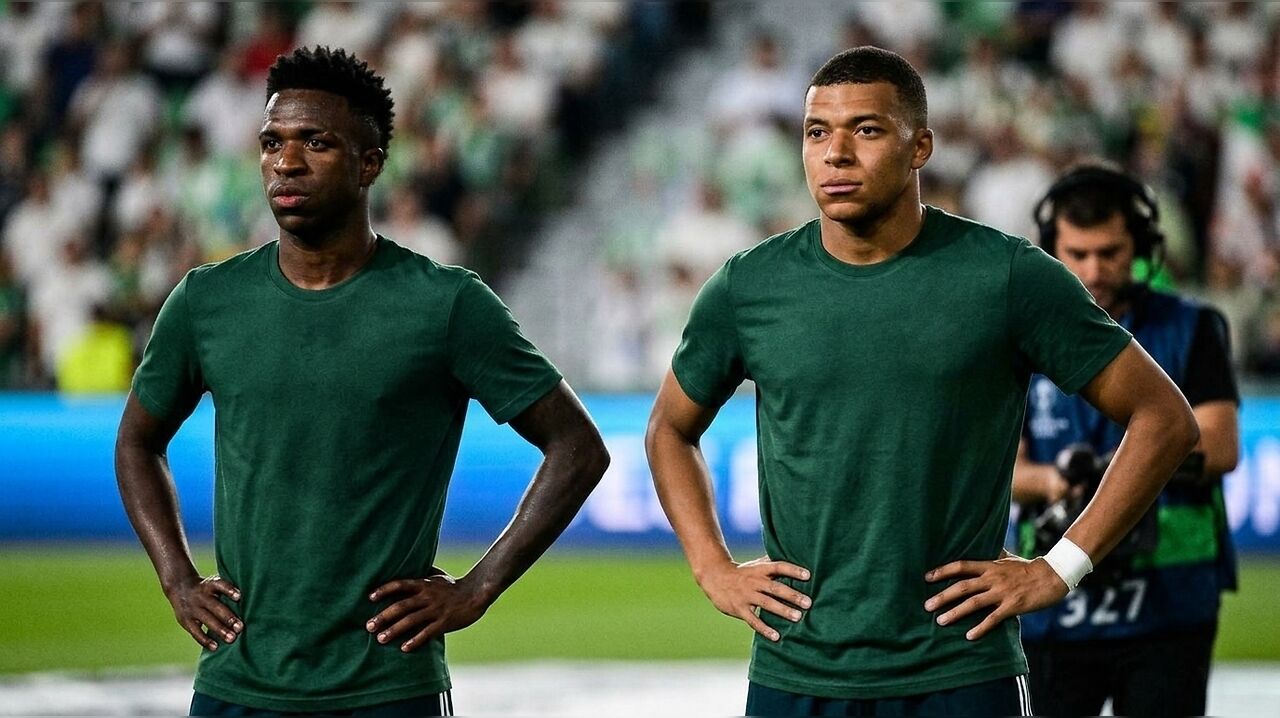
The city, located on the North African coast, recently faced a humanitarian crisis following a mass border crossing involving approximately 80,000 people from neighboring Morocco. The shirts, which featured the slogan "Todos somos caballas"—a local term meaning "We are all from Ceuta"—were intended to demonstrate support for the city's residents. However, Mbappe, Vinicius, and Konate opted to roll the garments up to their chests, obscuring part of the message before removing them entirely prior to the match, which Real Madrid won 3-2.
A Divided Public Response
The players' actions have triggered a polarized reaction across Spanish media and social platforms. Critics, including journalist Jorge Calabres, expressed outrage, suggesting that the players failed to uphold the responsibilities associated with representing a club of Real Madrid's stature. Conversely, others have defended the trio, arguing that the business association responsible for the initiative placed the athletes in an unfair and awkward political position.
Sports commentator Santiago Segurola echoed this sentiment, labeling the organizers "idiots" for forcing players to navigate a complex geopolitical issue.
Player Perspectives and Broader Context
Addressing the controversy in an interview with the Spanish newspaper As, Kylian Mbappe explained that his decision was rooted in a desire to acknowledge the suffering of all individuals involved. He emphasized that his actions were not intended as a slight against the people of Ceuta, but rather as a broader expression of solidarity with migrants facing harsh conditions and those who have lost their lives.
The situation has been further complicated by the experiences of other players. Real Betis forward Abde Ezzalzouli, who is of Moroccan descent, faced significant criticism from some fans on social media for wearing the shirt. Abde defended his participation, stating that the gesture was a social message of support for a city in a difficult situation, rather than a political statement or an act of disdain toward the Moroccan people.
The ongoing crisis in Ceuta has become a central theme in Spanish politics, with the issue expected to play a major role in upcoming national elections. As Spain prepares to co-host the 2030 World Cup alongside Portugal and Morocco, the incident highlights the deep-seated tensions surrounding migration and the country's diplomatic relationship with Rabat.