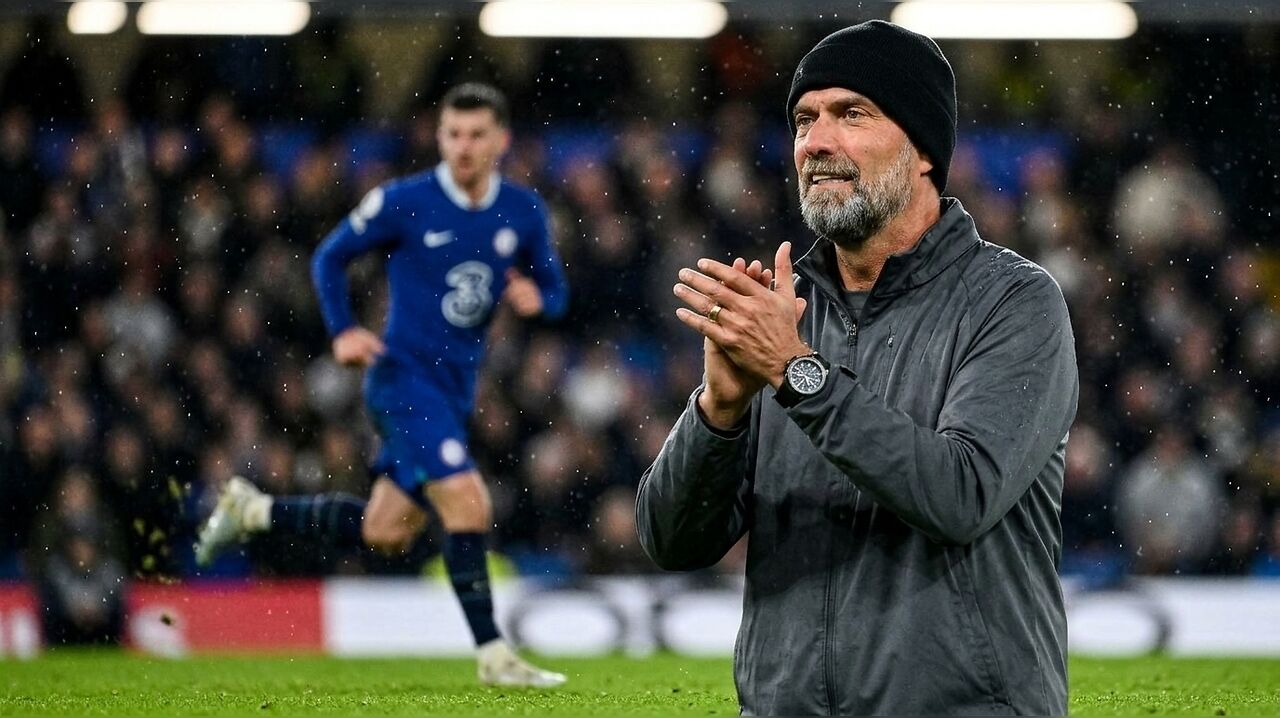
The recent stretch of fixtures, which resulted in one win, two draws, and one defeat, served as a diagnostic tool rather than a quest for immediate perfection. Despite the modest results, Klopp expressed genuine encouragement regarding the progress of his squad. Following a goalless stalemate against Greece, the manager noted that he was pleasantly surprised by the application of his players, emphasizing that he remains acutely aware of the starting point for this rebuilding project.
A New Philosophy for German Football
Klopp’s strategy extends far beyond the national team’s immediate tactical setup, aiming to influence the broader
Within the squad, the integration of established stars and emerging talent has been a focal point. Bayern Munich’s Joshua Kimmich has been tasked with adapting to a more demanding box-to-box role, moving away from his previous position at right-back. Simultaneously, younger talents like Aleksandar Pavlovic and Tom Bischof have been entrusted with senior responsibilities, showcasing the high-intensity pressing and progressive passing that define Klopp’s tactical philosophy. As these players return to their respective clubs, the expectation is that the high-tempo, counter-pressing habits instilled during this international break will permeate the domestic league, potentially elevating the standard of play across the Bundesliga.
Economic and Tactical Implications
The ripple effects of this rebuild are expected to reach the transfer market as well. By broadening the scope of national team eligibility, Klopp has effectively increased the visibility and market value of players outside the traditional powerhouses. This shift provides mid-table clubs with greater leverage during transfer windows, potentially allowing them to secure higher fees for their top prospects. As the national team continues its transition, the focus remains on embedding a sustainable, high-intensity culture that bridges the gap between the elite clubs and the rest of the German football ecosystem.