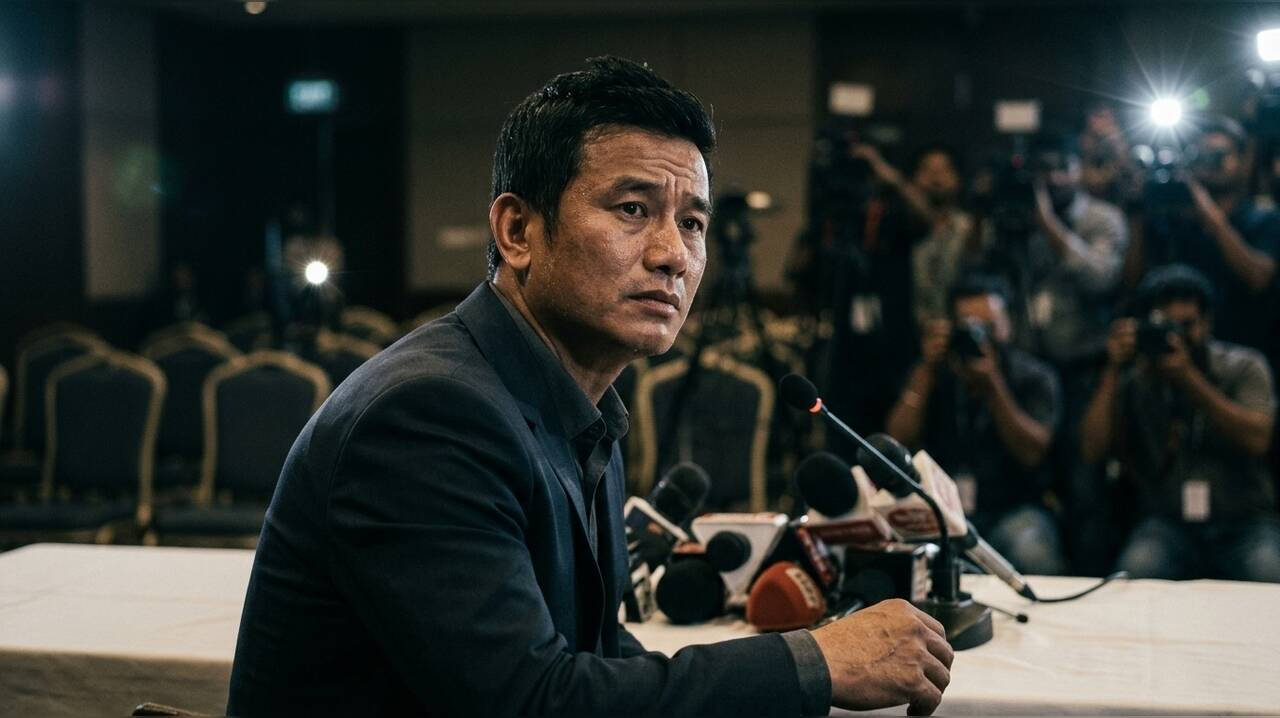
Former Indian football captain
In a recent interview, Bhutia emphasized the importance of sending a strong message to organizers and federations by not attending the match. “Boycott that Brazil match. Then I think that is a big message. Then every organizer, every federation will think twice,” he stated during a discussion on the show 420 Grams. His comments reflect a growing sentiment among some football enthusiasts who believe that the funds could be better utilized to develop the sport in India.
Call for Investment in Local Sports
Bhutia urged the West Bengal government to reconsider its financial commitment to the match, suggesting that the funds could be redirected towards enhancing sports infrastructure and supporting local athletes. “If the Bengal government is going to pay or try and raise [money] for this match, please raise it for Bengal to have the next few gold medals in the Commonwealth Games,” he proposed. He highlighted the potential long-term benefits of investing in sports facilities, such as creating futsal grounds that could foster grassroots participation in football.
He further elaborated on the potential impact of such investments, stating, “With the Rs 30 crore, make 100 futsal grounds — seven-a-side futsal grounds. You can have 100 grounds in different areas. Use it, utilize it properly. Don't waste it for one 90-minute match and think the money is gone.” Bhutia's remarks underscore a broader conversation about the sustainability of sports funding in India and the need for strategic planning to ensure lasting benefits for athletes.
Concerns Over Long-Term Impact
While acknowledging the excitement surrounding a match against a football powerhouse like Brazil, Bhutia questioned the long-term benefits of such events. He noted that while the match may generate immediate enthusiasm among fans and media, the aftermath could leave Indian football lagging behind. “If the match happens, everybody is excited, fans come in, you know, media, the government, everybody will be happy. But once the match happens, your money is gone and your football is 20 years behind,” he cautioned, urging stakeholders to think critically about the future of the sport in the country.