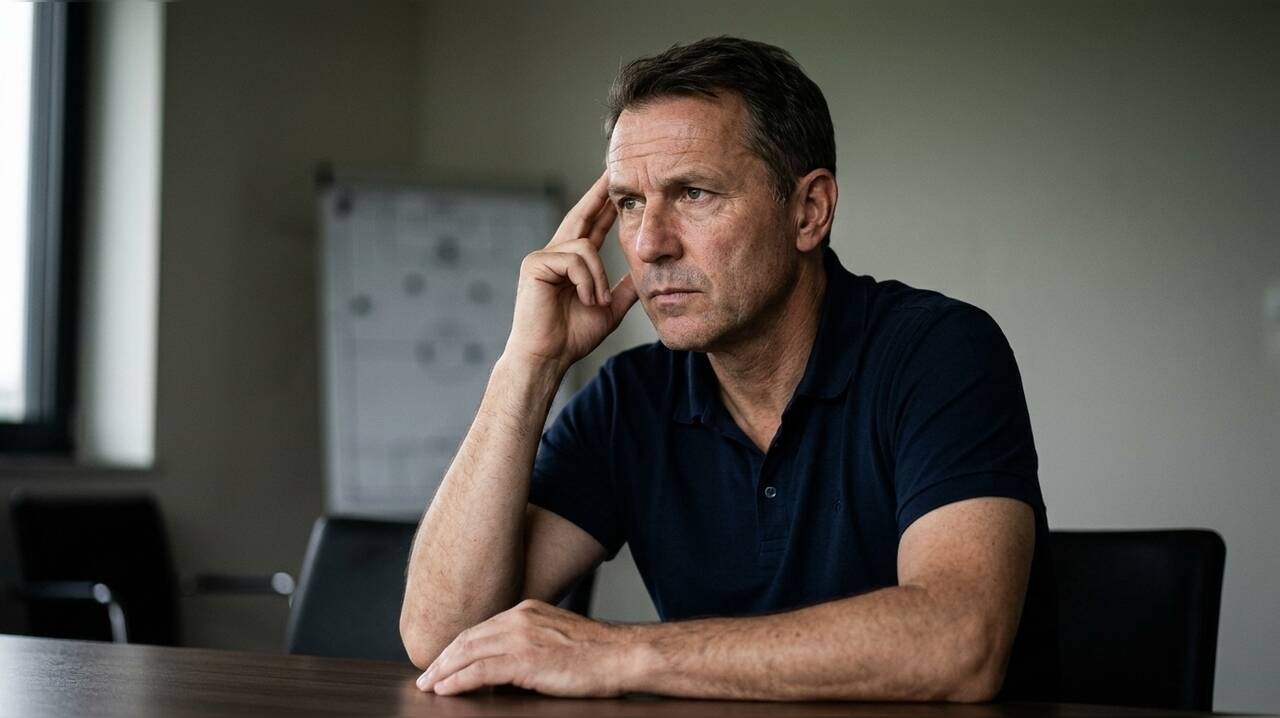
Sauer, who oversees the development of talent at one of the world's most prestigious clubs, suggests that while the structural reforms implemented at the turn of the century were initially successful, the focus has since drifted. According to the academy chief, the German system has become overly preoccupied with tactical and team-based mechanics, inadvertently neglecting the cultivation of individual flair and specialized player profiles.
A Shift Toward Tactical Uniformity
The core of the issue, according to Sauer, lies in the evolution of
This lack of defined profiles—such as the traditional number nine or the specialized full-back role exemplified by Philipp Lahm—has left the national team lacking the individual brilliance required to compete at the highest level. Sauer noted that the current development pathway prioritizes intricate tactical instruction, which has come at the expense of the unique, individual qualities that once defined German footballing icons.
Addressing Recruitment and Structural Reform
Beyond the academy system, Sauer highlighted challenges in national team recruitment. He pointed out that Germany is facing increased competition in securing players with migration backgrounds, suggesting that other nations have become more effective at convincing these dual-national talents to represent them. This, combined with the internal development issues, has placed Germany in a position where they have clearly fallen behind international rivals.
Sauer remains optimistic that the conversation regarding reform is gaining momentum. Following recent tournament disappointments, discussions at the federation and first-team levels have intensified. With figures like Jurgen Klopp acknowledging the progress made by other nations, such as England, there is a growing consensus that the German system requires a fundamental pivot. For Sauer, the path forward involves a broader, sustained dialogue to ensure that the next generation of German footballers can reclaim their place at the pinnacle of the global game.