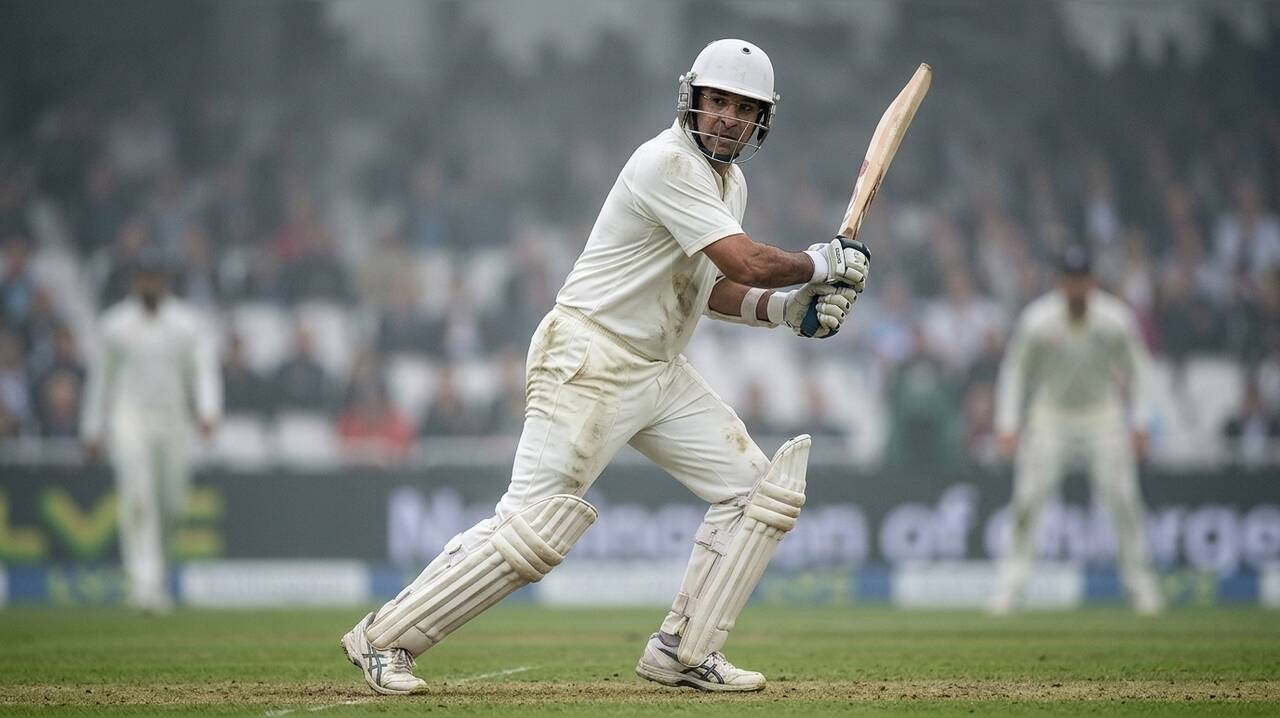
Akram’s comments follow a period of sustained poor performance, which he claims he anticipated long before the current Test series in England began. According to the former fast bowler, the team's inability to compete at the highest level is a direct reflection of a lack of depth and consistency within the domestic cricket framework.
Systemic Issues Behind On-Field Struggles
The frustration surrounding the national team reached a new peak during the opening day of the third Test against England. Faced with overcast conditions and a reshuffled squad that included three debutants, Pakistan’s batting lineup collapsed early. The team lost their first four wickets within the opening hour and were eventually dismissed for just 133 runs in the 34th over. With the top five batters failing to reach double figures, only Saud Shakeel, who scored 43, and Abbas, with 21, provided any notable resistance against England’s bowling attack, led by Josh Tongue’s four wickets and three apiece from Ollie Robinson and Jofra Archer.
Akram argued that these on-field shortcomings in batting, bowling, and fielding are merely symptoms of a wider systemic failure. He noted that he is frequently asked to intervene to help the national setup, but he maintains that the issues are too entrenched for one person to resolve. He pointed to a lack of patience and consistency in the domestic first-class structure, which he believes has failed to produce a sufficient pipeline of quality players for the international stage.
A Call for Structural Stability
Beyond the performance of the players and coaching staff, Akram criticised the Pakistan Cricket Board for inconsistent decision-making. He emphasised that the decline is not the fault of any single department or individual, but rather a consequence of instability across the entire cricket ecosystem. For the former fast bowler, the path to recovery requires a long-term commitment to fixing the foundations of the sport rather than focusing on short-term selection changes.
As Pakistan continues to struggle on the international circuit, Akram’s assessment serves as a stark warning that the current results are a predictable outcome of years of structural neglect. He concluded that until the domestic system is stabilised and given the necessary time to develop talent, the national team will continue to face significant challenges against top-tier opposition.