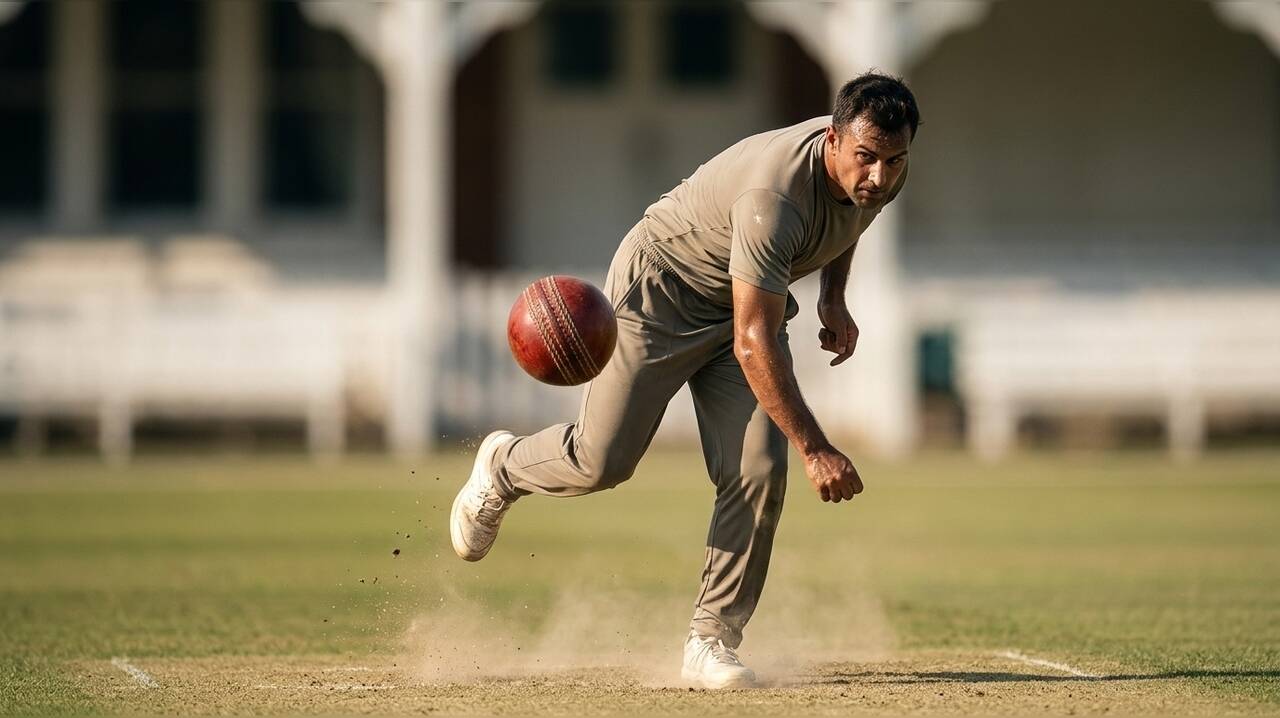
The incident occurred on July 3, 1936, during a fixture between Cambridge University and the MCC. Indian fast bowler
A Lasting Legacy in the MCC Museum
Rather than discarding the bird, the decision was made to preserve the moment. The sparrow was stuffed and mounted directly onto the ball that struck it. This unique display was subsequently placed in the Memorial Gallery at Lord's, where it has remained a fixture for decades. Despite its lack of connection to major trophies or legendary innings, the exhibit has become one of the museum's most recognised and best-loved items.
The exhibit has rarely left the grounds of Lord's. Its first departure occurred in 2006, when it was loaned to the Natural History Museum of Rotterdam in the Netherlands for the Grand House Sparrow exhibition. It returned to London shortly thereafter, resuming its place as a staple of the MCC Museum's collection.
Scientific Insights After 84 Years
In 2020, the sparrow underwent professional conservation work at London's Natural History Museum. This process provided new information about the specimen, with experts identifying the bird as a young adult male. The restoration also addressed physical deterioration that had occurred over the decades, including cleaning accumulated dust and repairing skin splits across the abdomen and a loose wing.
The conservation efforts were intended to ensure the longevity of the exhibit. By addressing these structural issues, the MCC Museum aims to keep this piece of cricket folklore available for future generations of visitors to view. The sparrow remains a testament to the unpredictable nature of the sport, serving as a permanent reminder of a bizarre moment that occurred on the field nearly nine decades ago.