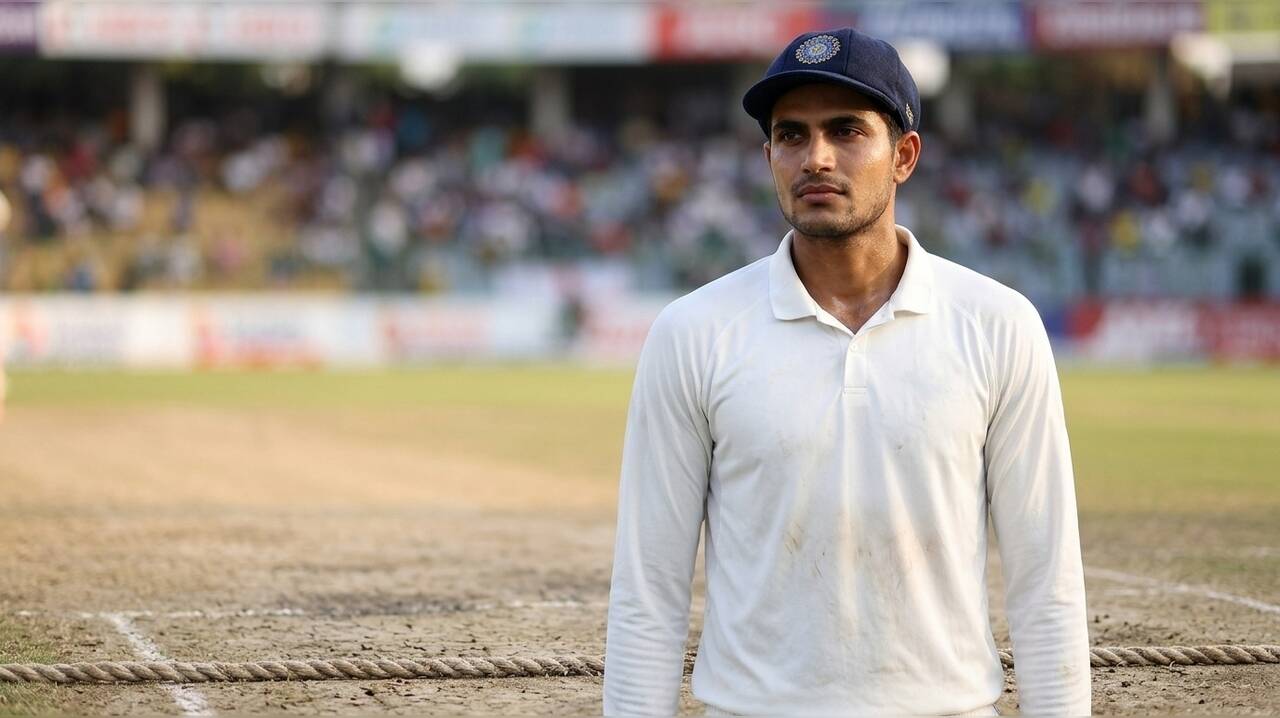
India’s pursuit of a 2-0 series sweep against Sri Lanka concluded in a stalemate during the second Test in Colombo, as the hosts mounted a determined final-day resistance to force a draw. Despite holding a commanding position for much of the match, the visitors were unable to secure the final wicket required to clinch victory, ultimately settling for a 1-0 series win following their earlier success in Galle.
The match reached a tense conclusion after India declared their first innings at 503/9 and subsequently bowled Sri Lanka out for 290. Captain
Tactical approach and captaincy lessons
Addressing the media after the match, Gill defended his decision to enforce the follow-on, citing the need to account for weather conditions. He noted that the team had already spent over 250 overs in the field and that the strategic choice was made to provide the bowlers with sufficient time to force a result. Gill emphasised that the decision was proactive, noting that had they opted against it and lost time to rain, the strategy would have been questioned.
The India captain acknowledged that the final day presented significant challenges, particularly as the pitch conditions eased and became less conducive to taking wickets. While he admitted to disappointment in not securing the win, he maintained that the draw did not carry the same weight as a defeat. Gill praised the opposition for their performance over the final three days, noting that the pitch became increasingly difficult for his bowlers to extract turn or movement.
Resilience from the hosts
Sri Lanka’s survival was anchored by a pivotal 112-run partnership for the seventh wicket between Sonal Dinusha and Keshara Nuwantha, who contributed 46 runs. Dinusha’s performance was particularly notable, as he carried his bat through the innings to secure his third century of the two-match series. India’s bowling attack, led by Manav Suthar and Ravindra Jadeja, worked tirelessly on the fifth-day surface, with both bowlers claiming three wickets apiece.
Reflecting on the series as a whole, Gill highlighted the value of the experience for his development as a captain. He commended his squad for their intent and effort throughout the contest, despite the frustration of missing out on a clean sweep. The captain pointed to missed opportunities on the fourth day as a potential turning point, suggesting that had those chances been converted, the final outcome might have favoured the visitors.