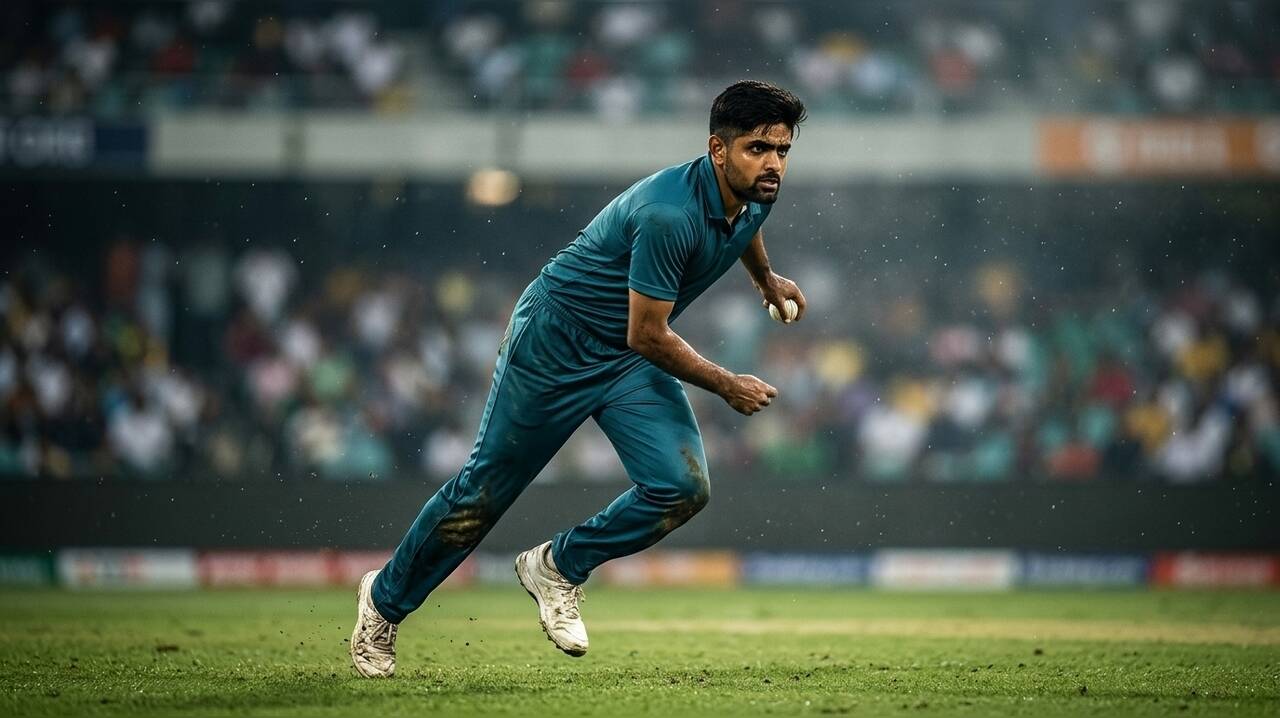
The scale of the intervention is significant, with seven players, including established names such as Mohammad Rizwan, Imam-ul-Haq, and Salman Ali Agha, dropped from the squad. Simultaneously, the coaching department has seen the departures of Sarfaraz Ahmed and Umar Gul, with Mike Hesson stepping in to lead the side alongside assistant Ashley Noffke. These changes signal a decisive shift toward prioritizing younger talent over the current senior core.
Akhtar highlights shift in board strategy
Former fast bowler
According to Akhtar, his discussions with a PCB official painted a grim picture of the current state of the national team. When asked about the board’s expectations for the remainder of the England tour, the official reportedly stated that they expected “nothing” from the current squad, shifting their focus entirely toward developing a new generation of players. The official went as far as to describe the current state of Pakistan cricket as being “on a ventilator,” estimating that a full recovery could take up to two years.
Protecting the future of key pacers
While supporting the need for a structural rebuild, Akhtar emphasized the importance of safeguarding the careers of the team’s premier fast bowlers. He specifically identified Shaheen Shah Afridi, Naseem Shah, and Haris Rauf as vital assets who must be protected during this period of instability, noting that these individuals still have significant contributions to make to the national side.
Akhtar also expressed frustration regarding the lack of competitive spirit displayed by the team during the first two Tests, noting that the squad failed to show the necessary fight against England. While he acknowledged that infrastructure improvements are finally underway at the National Cricket Academy in Lahore, he maintained that the current crisis was entirely predictable. As Pakistan prepares for the final Test at Edgbaston, the focus remains on whether this radical change in direction can eventually steer the team toward a more sustainable future.