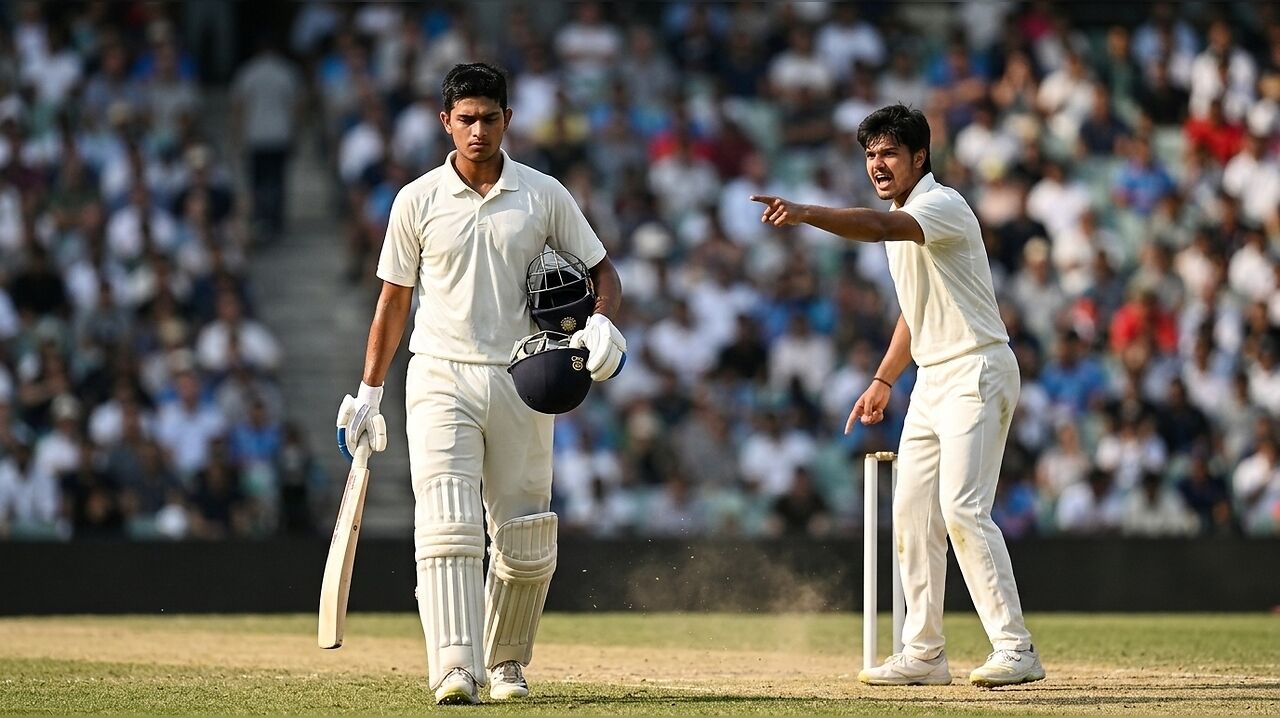
The high-stakes atmosphere of the
India, having won the toss under captain Shreyas Iyer, elected to bat first and looked to set an imposing total. Sooryavanshi, showing maturity beyond his years, had raced to 15 runs from just nine deliveries, a cameo that included two towering sixes. His rapid start had provided India with the momentum they required in the opening exchanges of the gold medal encounter.
Ayub’s breakthrough and controversial reaction
The momentum shifted in the fourth over when Saim Ayub managed to deceive the young batter. Ayub delivered a quicker ball just outside the off-stump, prompting Sooryavanshi to attempt a high-risk reverse sweep. The ball beat the bat and carried through to wicketkeeper Usman Khan, who initially fumbled the chance before successfully securing the catch.
As the teenager began his walk back to the pavilion, Ayub turned toward him and delivered a pointed, animated send-off gesture. The interaction immediately drew the attention of spectators and officials alike, injecting a palpable sense of tension into the contest. The dismissal of the promising opener served as a critical breakthrough for Pakistan, halting India’s early surge and forcing the middle order to rebuild under pressure.
Context of the Asian Games final
The match featured a star-studded lineup for both nations. India’s playing XI included established international figures such as Shreyas Iyer, Sanju Samson, Ishan Kishan, and Jasprit Bumrah, alongside rising talents like Sooryavanshi and Abhishek Sharma. Pakistan, led by captain Sahibzada Farhan, countered with a side featuring Usman Khan, Arafat Minhas, and Abrar Ahmed.
While the focus remained on the tactical battle between the two rivals, the interaction between Ayub and Sooryavanshi highlighted the intense competitive nature of the tournament. With the gold medal on the line, every dismissal carries added weight, and the reaction from the Pakistani fielder underscored the high-pressure environment of this marquee regional clash.