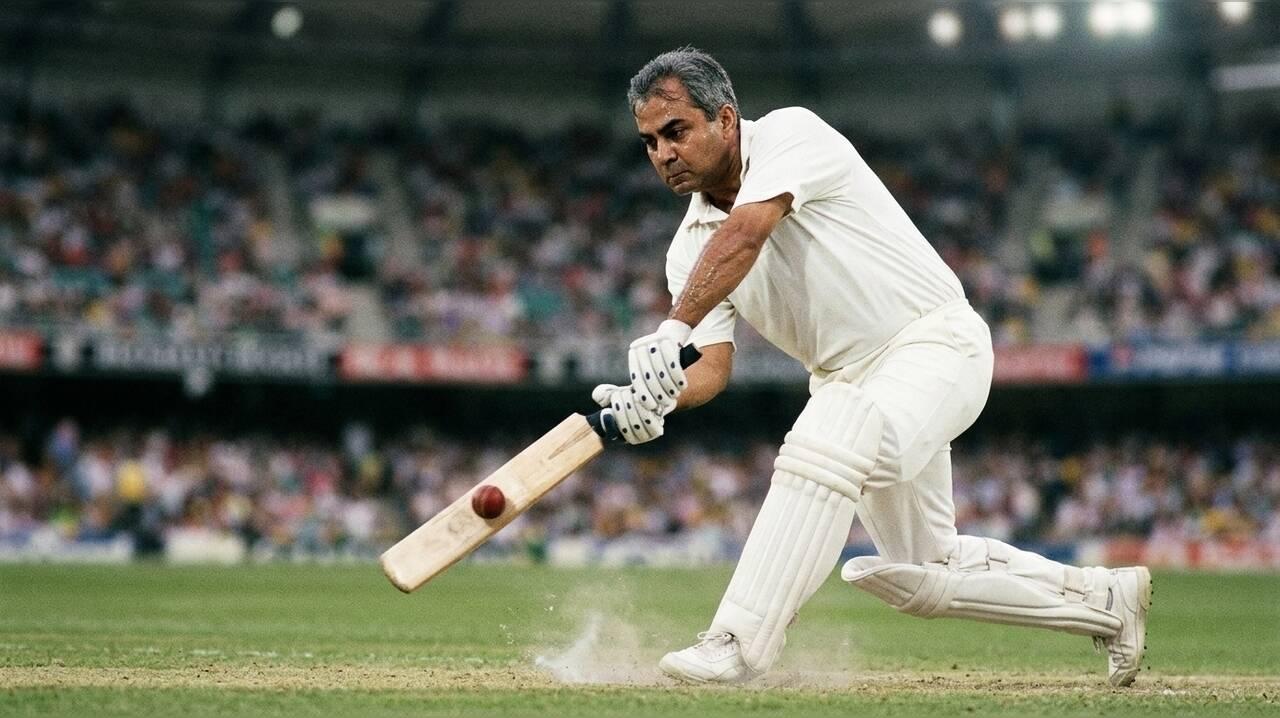
The PCB chief drew comparisons to other major cricketing nations to contextualize the team's recent setbacks. By referencing India’s T20I loss to Ireland and South Africa’s defeat to Namibia, Naqvi argued that unexpected results are a reality for all top-tier sides. He questioned the logic of declaring the sport “finished” in Pakistan based on a small sample of poor performances, emphasizing that the board remains committed to long-term improvement.
Addressing Performance and Selection Controversies
The defense comes in the wake of a challenging tour of England, where Pakistan suffered an innings-and-103-run defeat in the opening Test, followed by a 194-run loss at Lord’s. These results handed England an unassailable 2-0 lead in the three-match series and prompted the PCB to release seven players, including Mohammad Rizwan, Imam-ul-Haq, Salman Ali Agha, Ali Usman, Aamir Jamal, Muhammad Awais Zafar, and Khurram Shahzad, ahead of the Birmingham Test.
Naqvi acknowledged that selection errors have occurred and stated that he is prepared to take responsibility for those decisions. The board has faced internal friction, with notices issued to selection committee members Aaqib Javed, Misbah-ul-Haq, and Asad Shafiq regarding specific selection recommendations. Following this, Misbah-ul-Haq opted to resign from his position on the committee. Despite this, Naqvi maintained that the board must be willing to make difficult personnel changes if players are not delivering on the field.
Focusing on White-Ball Progress
While the Test results have been disappointing, Naqvi urged observers to consider the team’s broader trajectory, particularly in white-ball formats. He noted that Pakistan has climbed from eighth to fifth in the ODI rankings and currently holds the sixth spot in T20Is. According to the chairman, the team has secured victories in four of their last six ODI series, with their overall success rate rising from 24 percent to 73 percent.
Naqvi dismissed some of the harsher criticism as unreasonable, particularly when coming from individuals he believes lack significant sporting achievements. He clarified that he welcomes constructive feedback from respected former players, citing Wasim Akram as an example of someone whose input he would value. Ultimately, the PCB chairman insisted that rebuilding a national side is a gradual process that cannot be completed in a matter of months, and he remains focused on the long-term development of the squad.