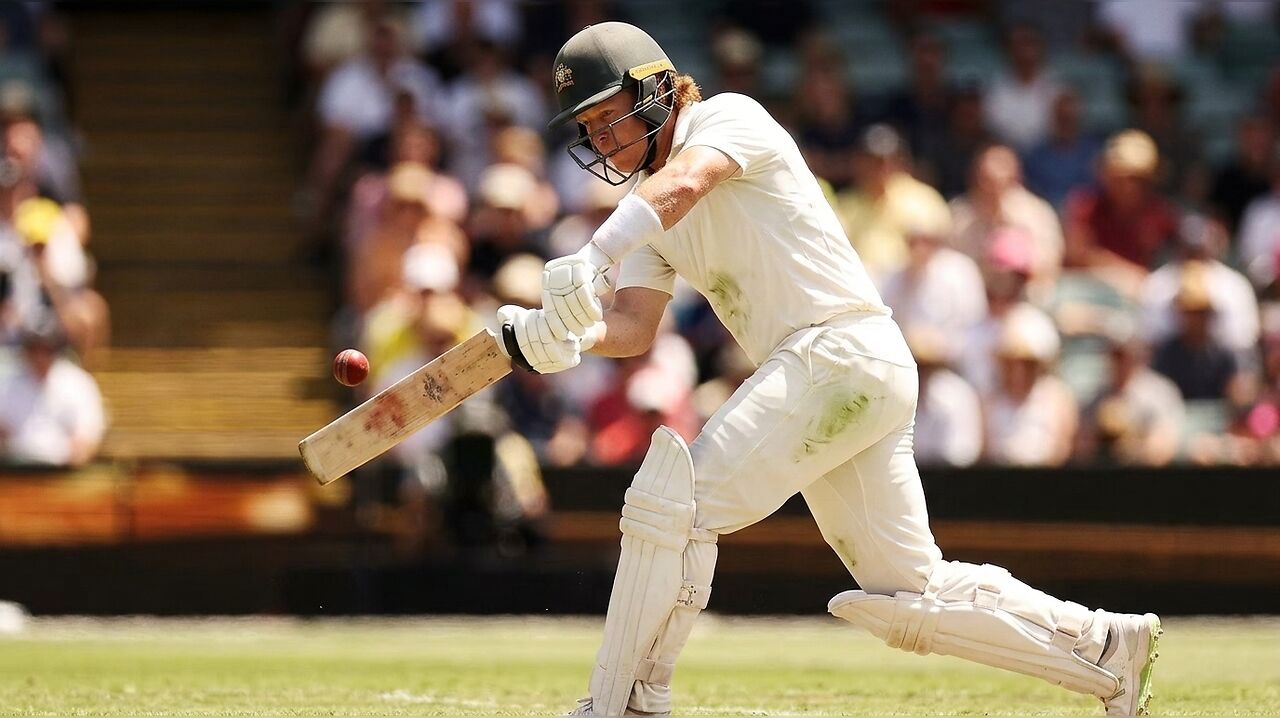
England international
Pope was initially set to be the sole centrally contracted England player involved in the draft process. Sources indicate that the decision to withdraw was made by the batter himself, rather than being a mandate issued by the England and Wales Cricket Board (
Navigating the moral landscape of overseas leagues
While the ECB requires players to obtain a No Objection Certificate (NOC) to feature in overseas franchise competitions, Key acknowledged the complexities of preventing players from participating. Speaking on the Test Match Special podcast, Key noted that while it is legally challenging to block players from such leagues, the situation necessitates a personal moral assessment from the individuals involved.
Key stated that while he would personally choose not to participate, the final decision rests with the players. He reiterated his firm stance against the treatment of women in Afghanistan, noting that the current situation in the country is something he cannot support. The ECB has maintained a policy of not scheduling bilateral series against Afghanistan since the Taliban returned to power in 2021, though the national team continues to compete against them in ICC events such as the World Cup and Champions Trophy.
Differing perspectives among English players
The withdrawal of Pope highlights the difficult position many cricketers find themselves in when balancing professional opportunities with ethical concerns. Former England batter Dawid Malan, who remains in the APL draft alongside players such as Moeen Ali, James Vince, and James Rew, described the situation as a challenging dilemma between personal beliefs and the necessity of earning a living.
Malan suggested that players are often placed in an unfair position when forced to make individual moral choices, arguing that national boards should provide clearer guidance. He further questioned the inconsistency of expecting players to boycott the league while the England team continues to face Afghanistan in global tournaments, highlighting the broader debate over how cricket authorities should address human rights issues on the international stage.